Showing posts with label Ecology Topics. Show all posts

Tuesday, September 18, 2018

Commensalism, Mutualism and Parasitism

Symbiosis describes several types of living arrangements between different species of organisms in an ecosystem. These relationships can be beneficial, neutral, or harmful to one or both organisms which are called symbionts. In the complex web of nature, species often have several symbiotic relationship at a time.


Symbiosis can take two forms known as obligatory and facultative. In obligatory symbiosis, one or both organisms are entirely dependent on the relationship and will die without it. Conversely, organisms in facultative relationships can live independently from each other.


Symbiotic relationships are also described by the physical relationship between the symbionts. Conjunctive symbiosis occurs when the symbionts have bodily contact with each other. In contrast, symbionts that do not have physical contact have a disjunctive symbiotic relationship. The term ectosymbiosis is when one organism lives on another, like a flea living in a dog’s fur. Endosymbiosis is a relationship where one symbiont lives in the tissues of another such as bacteria living in the human gut.


Commensalism, mutualism, and parasitism are the three main categories of symbiosis found in nature.


Commensalism


In a commensal relationship, one species benefits and there is a neutral effect on the other—it neither benefits nor is harmed. An example of this relationship is birds building nests in trees. The nests don’t interfere with photosynthesis and are light weight, so they don’t put a strain on the trees. The birds, on the other hand, benefit by having their young protected from predators on the ground and hidden by the leaves and branches of the tree. The tree may also provide an accessible food source for the birds such as berries, grubs, and insects. Other examples of commensalism are spiders spinning webs on plants and hermit crabs that use discarded snail shells to protect themselves.


Commensal relationships are sometimes hard to identify because it can be difficult proving that one symbiont does not benefit in some way from the relationship.


Mutualism


In this type of symbiosis, both organisms benefit from the relationship. A classic example of this is the relationship between termites and the protists that live in their gut. The protists digest the cellulose contained in the wood, releasing nutrients for the benefit of the termite. In turn, the protists receive a steady supply of food and live in a protected environment. The protists themselves also have a symbiotic relationship with the bacteria that live in their gut, without which they could not digest cellulose. This relationship between termites and protists is obligatory—the termites would die of starvation without the protists to digest their food.


Other examples of mutualism are the algae that live in the tissues of coral in reefs, clownfish that live in the tentacles of sea anemones, and the relationship between the Oxpecker bird and zebras and rhinoceroses on the African plains.


Parasitism


Parasitism is a relationship where one symbiont benefits (the parasite) and the other (the host) is harmed in some way and may eventually die. Parasites can damage their hosts or sicken them and make them weak. There is usually a built-in selection process that slows down the rate of damage to the host, giving the parasite time to complete its reproductive cycle and for its offspring to find a new host.


A tapeworm in the digestive tract of a human or other animal is an example of a parasitic relationship. The worm feeds on the food the person eats and grows within the intestines, sometimes reaching 50 feet in length. Other examples are the malaria parasite spread by mosquitoes, fleas and ticks, and aphids that suck the sap from plants.


References


  • Nelson, D. (2018, February 6). Mutualism, Commensalism, Parasitism: Types of Symbiosis with Examples. Retrieved May 23, 2018, from https://sciencetrends.com/comparing-examples-mutualism-commensalism-parasitism-symbiosis/

  • Symbiosis. (2018, May 9). In Wikipedia. Retrieved from https://en.wikipedia.org/w/index.php?title=Symbiosis&oldid=840414702


Commensalism, Mutualism and Parasitism

Sperm Motility

Sperm motility is the ability of sperm to move through water during external fertilization or within the female reproductive tract for internal fertilization to reach the egg. Motility also refers to the quality of the sperm motion, meaning that sperm which does not move properly can’t reach the egg and successfully fertilize it. Motility also encompasses the ability of the sperm to penetrate the egg once it reaches it.


Sperm Structure and Movement


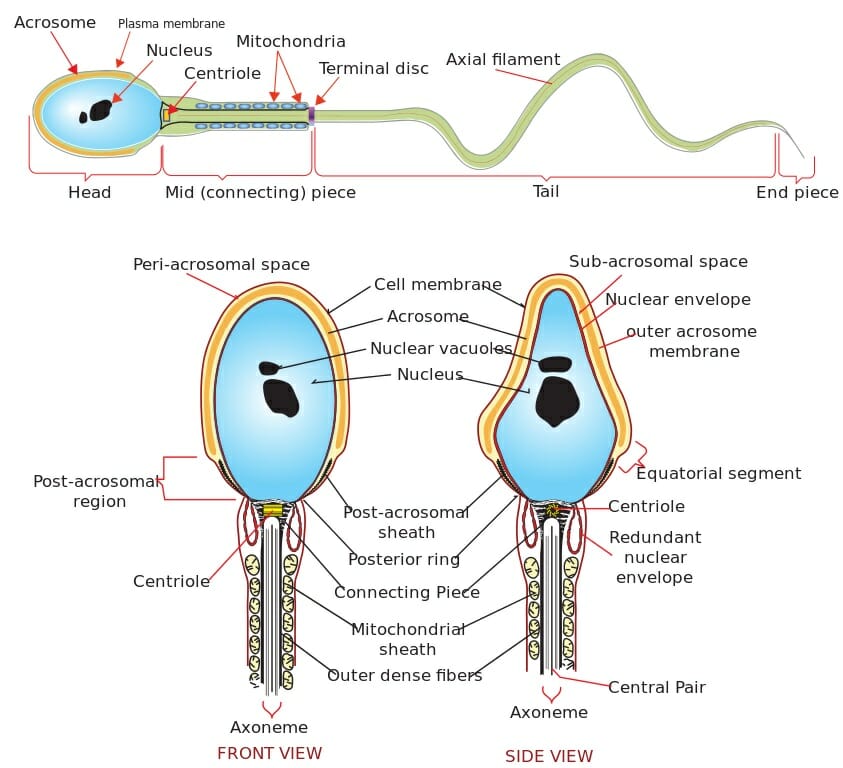
A sperm has four main sections: the head, midpiece, tail, and end piece (Figure 1). The head contains the nucleus and is surrounded by the acrosome (cap) and the plasma membrane. The acrosome contains the enzymes the sperm will need to penetrate the surface of the egg. The centriole (which the sperm will donate to the egg upon fertilization) joins the head to the midpiece which has a filamentous core composed of 11 tubules called the axoneme. The midpiece is surrounded by mitochondria that supply energy for the sperm in the form of adenosine triphosphate (ATP).


The tail or flagellum of the sperm is the longest section and the terminal disc separates it from the midpiece. The tail, powered by ATP made by the mitochondria in the midpiece, propels the sperm using a back and forth lashing motion. The motion is created by the rhythmical sliding of the tubules in the axoneme. The end piece contains the axoneme surrounded by the plasma membrane. It is located at the terminus of the tail and tapers down in diameter.


Changes in ion concentration and pH activate sperm movement and the requirements vary by species. For example, in some mammals, an increase in pH and calcium ions activates sperm. The ultimate effect is membrane hyperpolarization which activates the sperm.


Human spermatozoa diagram

Figure 1


The image above shows the detailed structure of a human sperm cell.


Evaluating Sperm Motility


The percentage of motile sperm is the most widely used measurement of semen quality. Normal or acceptable sperm motility varies among species. For example, human sperm motility greater than 50% is normal but only 30% is required in bulls, and as high as 70% is required in dogs. Sperm motility is described as non-motile, progressively motile, and non-progressively motile. Progressively motile sperm swim in a straight line while non-progressively motile means the sperm swim in an abnormal path such as around in circles. Test results usually report the percentage of progressively motile sperm.


There are three main methods for quantifying sperm motility. Some are more accurate than others and require more skill on the part of the operator and/or use more expensive equipment. In a manual motility estimate, a diluted sample of semen is placed on a pre-warmed slide and viewed under a microscope. The operator counts the number of non-motile, progressively motile, and non-progressively motile sperm in at least ten different fields on the slide. From this, an estimate of the percentage of motile sperm is calculated.


Track motility estimates use the same sample preparation as the manual motility estimate. The sperm are photographed using an exposure time of about 0.2 seconds which records their movement on the slide. Progressively motile sperm will leave tracks in a straight line and the non-progressively motile sperm will leave circles or tracks showing some other abnormal path of movement. Of course, non-motile sperm leaves no tracks.


The latest technology involves computer-aided motility analysis. The method is similar to the track motility test, but software detects and tracks the movement of each sperm in the sample and tabulates the data automatically. This method gathers additional data such as the velocity of the sperm and other details about their movement.


References


  • Sperm. (2018, May 15). In Wikipedia. Retrieved from https://en.wikipedia.org/w/index.php?title=Sperm&oldid=841448719

  • Sperm motility. (2017, August 5). In Wikipedia. Retrieved from https://en.wikipedia.org/w/index.php?title=Sperm_motility&oldid=793978230

  • Sperm Motility. (n.d.). Retrieved May 22, 2018, from http://www.vivo.colostate.edu/hbooks/pathphys/reprod/semeneval/motility.html


Sperm Motility

Monocot Root, Leaf, Flower and Plants

The term monocot is short for monocotyledon. The cotyledon is an embryonic leaf in a seed that is the first to emerge when it germinates. Monocot seeds have one cotyledon while dicotyledons, or dicots, have two. Monocots and dicots are two types of angiosperm plants which reproduce using seeds and fruits.


There are about 60,000 species of monocot plants. The largest family are the orchids which have over 20,000 species followed by grasses with 10,000 species. Scientists believe monocots evolved as early as 140 million years ago. Based on pollen grains in the fossil record, the earliest monocots lived in the early Cretaceous period about 120-110 million years ago.


Monocots are found in a variety of habitats. They grow primarily on land but also in rivers, lakes, and ponds, mostly rooted to the bottom but sometimes free-floating. Some also live in intertidal zones near the seashore and a few are marine plants rooted in shallow areas in the ocean.


Roots


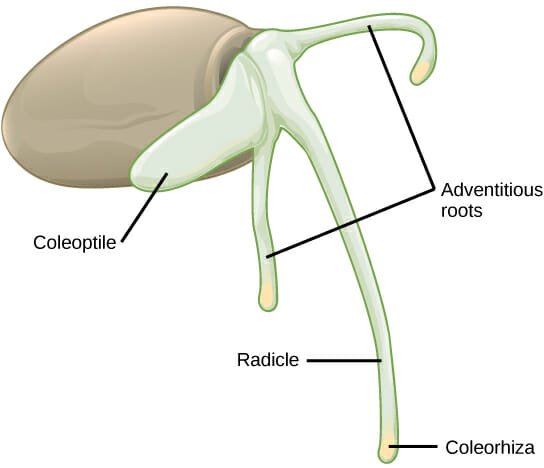
The roots of monocots cannot grow in diameter due to the lack of vascular cambium. Instead, they grow more roots at the shoot (radicle) and send out creeping shoots called runners or rhizomes (Figure 1). The coleorhiza is a tough sheath of tissue at the end of each root that protects it as it works its way through the soil. A structure called the coleoptile has the same function earlier in the growth of the root. This fibrous root system that originates from areas of the plant other than existing roots is called an adventitious root system.


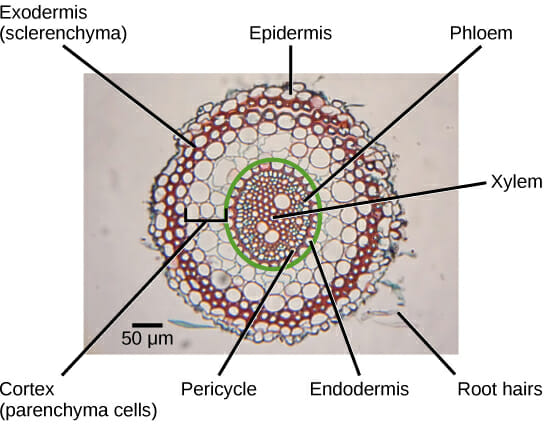
The tissue at the center of monocot roots consists of xylem and phloem (vascular bundle) and it is surrounded by the cortex which is made of parenchyma cells (Figure 2). The outermost layer of the root is called the epidermis followed by the exodermis or sclerenchyma. The endodermis is an inner layer of cells surrounding the vascular bundle. The endodermis and phloem are separated by a layer of cells called the pericycle where root branching occurs.


Figure 1

Figure 1


The image above shows the root structure of a germinating monocot seed.


Figure 2

Figure 2


The image above is the cross section of a monocot root.


Leaves


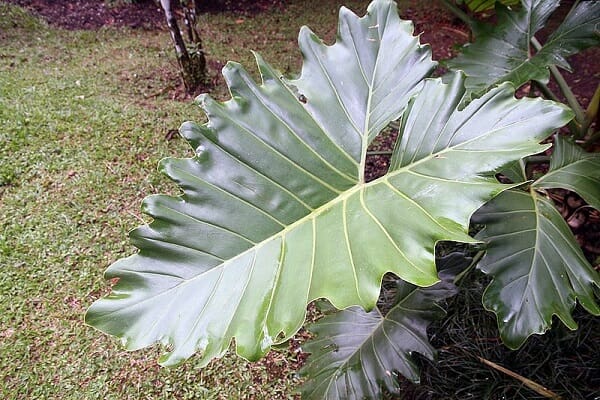
Monocot leaves are usually long and narrow or oblong with parallel veins running through them (Figure 3). However, the diversity of nature reveals many exceptions to this rule. There is usually one leaf per node on the stem because the base of the leaf takes up more than half of the circumference of the stem.


Monocot leaves have an equal number of stomata (pores) on the upper and lower leaf surfaces. They also have large vascular bundles and bulliform (bubble-shaped) cells on the upper surface. Both of these features help monocots retain water during dry or stressful environmental conditions. Also, the cuticle layer is thicker on the upper leaf surface.


Philodendron Wilsonii

Figure 3


The image above shows the parallel veins in Philodendron wilsonii which is characteristic of monocots.


Flowers


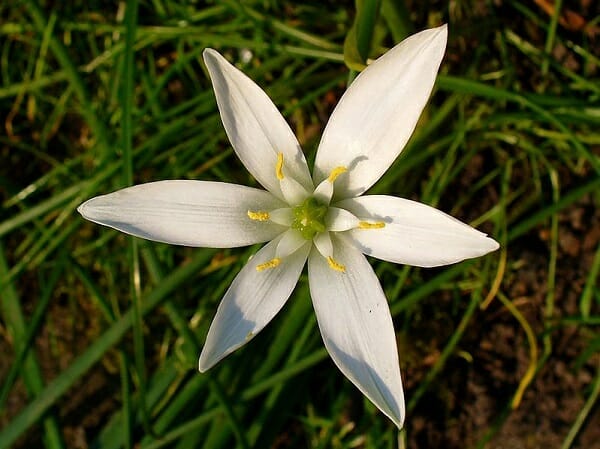
Monocots are identified by their flowers and flower parts that are in groups of three, also called trimerous (Figure 4). About two-thirds of all monocots are pollinated by animals including bats, monkeys, deer, rodents, and birds such as hummingbirds. Therefore, the flowers are often colorful and ‘showy’ to visually attract pollinators and they use pleasing aromas for chemical attraction.


Ornithogalum umbellatum

Figure 4


The image above shows the grass lily Ornithogalum umbellatum with its flower parts in multiples of three, characteristic of monocots.


Examples of Monocot Plants


Monocots are important plants around the world both economically and culturally. They account for many human and animal food staples like wheat, corn (Figure 5), barley, rice, and grasses. Other examples of monocot plants are bananas, sugarcane, palms, pineapples, orchids, and lilies. Monocots make up the most species grown in agriculture in terms of the amount of biomass produced.


References


  • Monocotyledon. (2018, May 16). In Wikipedia. Retrieved from https://en.wikipedia.org/w/index.php?title=Monocotyledon&oldid=841518727

  • Monocotyledon plant. (n.d.). Retrieved May 22, 2018, from https://www.britannica.com/plant/monocotyledon


Monocot Root, Leaf, Flower and Plants

Monocot vs Dicot

Angiosperms are plants that live on land and reproduce using seeds in flowers and fruits.


Monocotyledons and dicotyledons, also known as monocots and dicots, respectively, are two types of angiosperm plants. The Italian physician and biologist Marcello Malpighi (1628 – 1694) was the first to use the term cotyledon (the Latin word meaning seed leaf) and John Ray (1627 – 1705), an English naturalist, was the first to notice that some plants have one cotyledon and others have two.


The cotyledon part of angiosperms is an embryonic leaf that is the first leaf (or leaves) to appear when a seed is germinating. Cotyledons perform photosynthesis but are not true leaves because they are present in the seed before it germinates. True leaves grow after the seed has germinated. Cotyledons may last only a few days after the seed germinates (ephemeral) or last up to a year (persistent).


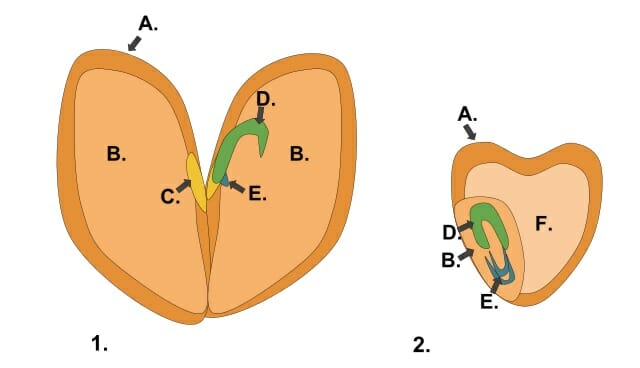
Monocots and dicots differ in several ways which help in their identification and understanding of their origins. Paleobotanists, scientists who study the origins of plants, hypothesize that dicotyledons evolved first, and monocots branched off about 140 to 150 million years ago either from the fusion of the cotyledons or as a separate line. See Figures 1 and 2 for illustrations of the different physical features discussed below.


Monocots


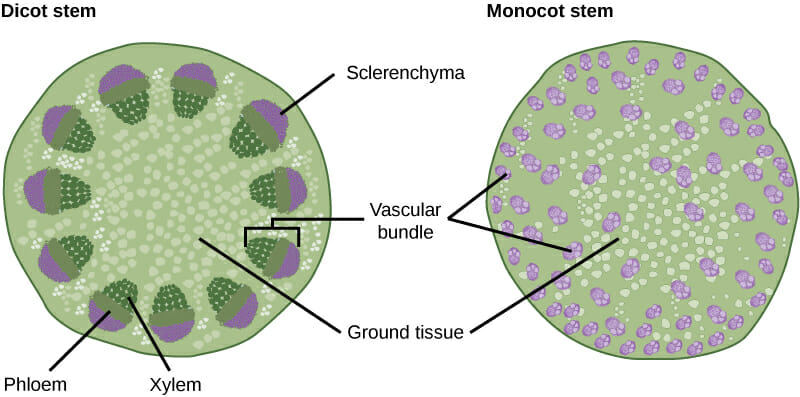
Monocot plants have one cotyledon. They also have long narrow leaves with parallel veins. Cutting a cross section from the stem of a monocot shows the vascular bundles scattered around in the plant tissue. The young plant stores food in the form of starches and other nutrients in a structure called the endosperm.


Another key characteristic for identifying monocots is by the number of flowers or flower parts which are arranged in groups of three. Also, the pollen grains of monocot plants have a single pore or furrow making them monosulcate (from the Greek word mono meaning ‘single’ or ‘one‘ and the Latin word sulcatus meaning ‘furrow’) and new roots originate from the stem of the plant. Some examples of monocots are lilies, orchids, corn, rice, wheat, barley, pineapple, sugar cane, bananas, palms, and grasses.


Dicots


As opposed to monocots, dicots (also called eudicots) have two cotyledons during germination which supply the young plant with food and nutrients. The leaves of dicot plants come in a variety of shapes and sizes and the veins form branching patterns. Microscopic examination of dicot seeds shows a structure called the hilum which is a scar on the seed coat where the ovary was attached. This feature is not seen in monocots. Also, different from monocots is the roots of dicot plants originate from the radicle.


Another way dicots are distinct from monocots is their flowers and flower parts are arranged in multiples of four or five. In addition, the cross section of a dicot stem shows the vascular bundles arranged in a circular pattern. Unlike monocots, the pollen grains of dicot plants have three pores and are called trisulcate. Dicot plants can also have bark and secondary growth increases the diameter (girth) of the plant. Examples of dicots include potatoes, tomatoes, apples, pears, peaches, cauliflower, peppers, broccoli, and cabbage.


MonocotsDicots
Direction of leaf veinsParallelBranched
Orientation of vascular bundlesScatteredArranged in circles
Number of flowersMultiples of 3Multiples of 4 or 5
Number of embryonic leaves12
Origin of new rootsFrom nodes in the stemFrom the radicle
Shape of true leavesMostly long and narrowWide variety of shapes
Secondary growthNoneYes. Plant girth increases each year
Forms true bark?NoYes
Number of furrows or pores in pollen grains1 (monosulcate)3 (trisulcate)
Food and nutrient storage locationEndospermCotyledons
Has a hilum?NoYes

Monocot dicot seed

Figure 1: The image above shows a generalized dicot seed (1) and a generalized monocot seed (2). The structures in each type of seed are: A = seed coat, B = cotyledon, C = hilum, D = plumule, E = radicle, and F = endosperm. Note that the dicot seed lacks endosperm, and the monocot does not have the hilum that is present in the dicot seed.


Dicot stem vs monocot stem

Figure 2: The image above shows a cross section of the stem of a dicot plant (left) and monocot (right). Note how the vascular bundles are scattered in the monocot stem and arranged in a circular pattern in the dicot stem.


References


  • Cotyledon. (2018, April 6). In Wikipedia. Retrieved from https://en.wikipedia.org/w/index.php?title=Cotyledon&oldid=834509052

  • OpenStax College. (2018). Concepts of Biology. Houston, TX. OpenStax CNX. Retrieved from http://cnx.org/contents/b3c1e1d2-839c-42b0-a314-e119a8aafbdd@9.39


Monocot vs Dicot

Lateral Meristem

Meristem is undifferentiated plant tissue found in areas of plant growth. The three types of meristematic tissue are intercalary, apical, and lateral. Apical meristem tissue is found in the tips of shoots and gives rise to leaves and flowers and is also found in the roots. The intercalary tissue in the middle of the plant is capable of rapid growth and regrowth. For example, the intercalary tissue at the base of a blade of grass allows it to regrow after being cut.


Plants use lateral meristem tissue to grow in diameter as part of secondary growth. There are two types of lateral meristematic tissue—the vascular cambium and the cork cambium.


Vascular Cambium


In plants, the vascular cambium is the main route by which the stems and roots grow. The tissue consists of xylem toward the outside and phloem inside. In woody plants, it forms a continuous ring of new wood around the stem. Herbaceous plants don’t have wood, so the vascular cambium forms bead-like bundles that create a ring around the stem. The two types of vascular cambium cells are fusiform initials which are tall and aligned with the axis of the stem and ray initials which are smaller than fusiform initials and rounder.


The vascular cambium has its own set of hormones that control growth, regulation, and maintenance activities in the tissue. The hormones belong to such families as auxins, gibberellins, and cytokinins, and chemicals like ethylene also have hormonal functions in the vascular cambium.


Xylem rays

The image above is the cross-section of a plant stem showing the vascular cambium, xylem cells, and xylem rays.


Cork Cambium


This tissue is present in mostly woody and some herbaceous plants and gives rise to the cork or bark layer on the outside of the stem and secondary growth in the epidermis of roots. This is accomplished by replacing the epidermal cells with the periderm which consists of three layers. The phelloderm is the innermost layer made of living parenchymal cells. On top of that layer is the cork cambium itself or the phellogen that gives rise to the periderm. The outermost layer is the cork or phellem (bark) which is made of dead, air-filled cork cells. The development and appearance of the cork cambium varies greatly among species. Some plants and trees have smooth bark while others are rough, scaly, and even naturally flake off from the tree.


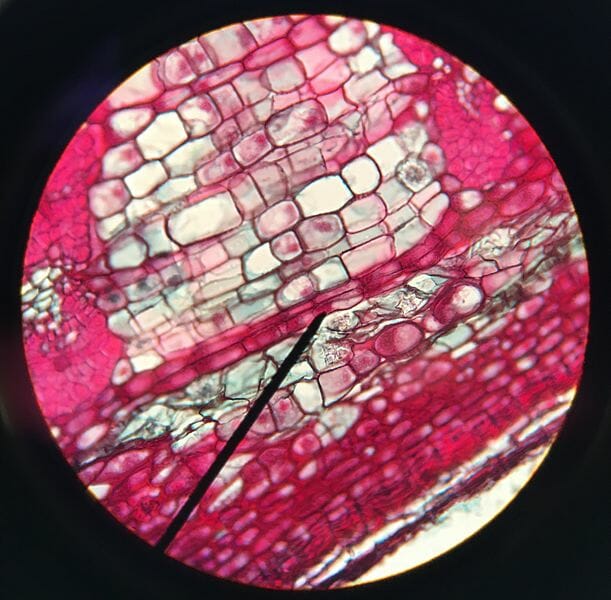
Cork cambium

In the image above, the black pointer shows the location of the cork cambium in the cross-section of a woody plant stem.


References


  • Cork cambium. (2018, January 30). In Wikipedia. Retrieved from https://en.wikipedia.org/w/index.php?title=Cork_cambium&oldid=823080623

  • Vascular cambium. (2018, March 2). In Wikipedia. Retrieved from https://en.wikipedia.org/w/index.php?title=Vascular_cambium&oldid=828437156


Lateral Meristem

Marine Ecosystem Facts

Marine ecosystems include not just the oceans but also shorelines, tidepools, estuaries, barrier islands, mangrove forests, and salt marshes. Here are the top 5 facts about marine ecosystem.


The Marine Ecosystem is the Largest Ecosystem on Earth


The oceans alone cover about 70% of the Earth’s surface or 140,000,000 square miles. The average ocean depth is about 12,000 feet and the deepest point is the Mariana Trench in the Pacific Ocean with a depth of about 32,800 feet.


The Marine Ecosystem has the Greatest Biodiversity on Earth


Almost half of the known species on Earth live in marine ecosystems and scientists suspect there may be another 1 million yet to be discovered. Roughly 700,000 to 1 million species live in the oceans.


Phytoplankton in the Oceans Provide 50% to 85% of the Oxygen on Earth


Phytoplankton are tiny plants that live in the upper areas of the ocean and use photosynthesis to make their food. They are so abundant in the oceans that all together they account for about 50% of the photosynthetic activity and over 50% of the oxygen production on the planet.


Mangrove Forests are Diverse Ecosystems


Mangrove forests are found on tropical and subtropical marine coastlines and tidal areas. They contain small trees and shrubs tolerant of salt water. The root systems of the forests form tangled webs of habitat where many species of fish, invertebrates, seabirds, and waterfowl live, reproduce, and mature.


Oceans Regulate the Earth’s Climate


The oceans absorb most of the heat radiated from the sun especially around the equator. The ocean currents distribute the heat around the planet, but most of the heat is lost due to evaporation. The constantly evaporating ocean waters create rain, thunderstorms, and hurricanes by increasing the temperature and humidity of the air. Because the trade winds carry these storms over vast distances, most of the precipitation that falls on land originates in the oceans.


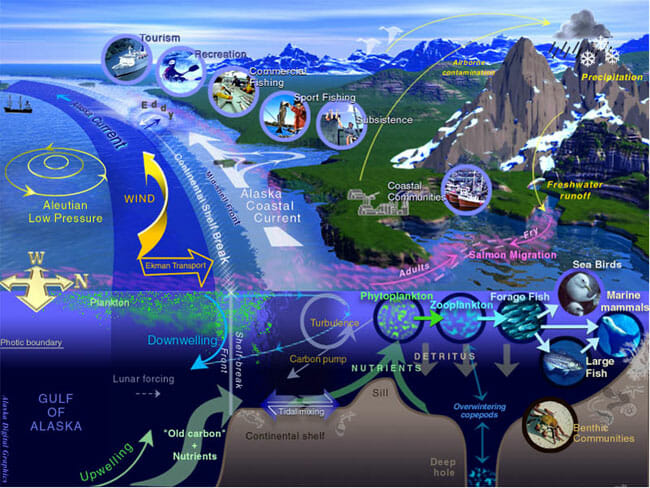
General characteristics of a large marine ecosystem

The image above shows the typical characteristics of the marine ecosystem in the Gulf of Alaska.


References


  • Facts and figures on marine biodiversity | United Nations Educational, Scientific and Cultural Organization. (n.d.). Retrieved May 16, 2018, from http://www.unesco.org/new/en/natural-sciences/ioc-oceans/focus-areas/rio-20-ocean/blueprint-for-the-future-we-want/marine-biodiversity/facts-and-figures-on-marine-biodiversity/

  • Ocean. (2018, May 15). In Wikipedia. Retrieved from https://en.wikipedia.org/w/index.php?title=Ocean&oldid=841293100


Marine Ecosystem Facts

How Climate Change Affects the Biodiversity of Marine Ecosystems

The biodiversity found in marine ecosystems is greater than in any other on Earth. Climate change causes wide-ranging effects including changes to water pH, nutrients, oxygen content, and stratification. These changes affect the biodiversity of communities, particularly in the polar regions of the planet.


Effects on Ice-Dominated Polar Ecosystems


Climate change is affecting the Earth’s northern and southern poles at a faster rate than anywhere else. The health of polar marine ecosystems is intimately tied to seawater temperature and the amount of sea ice present. These two factors influence the growth and reproduction of organisms, food sources, and the biogeochemical cycles of the region.


An example of the effects of climate change on the biodiversity in the polar regions is the reduced population of Adélie penguins. The loss of sea ice in the area along with reduced amounts of krill and an increase in late spring snowfalls has resulted in an 80% reduction in the Adélie penguin population in the region of Palmer Station in Antarctica. At the same time, species such as the Gentoo penguin and fur seals are migrating to this area to take advantage of the ecological niche that has opened up due to the decline in the penguin population.


Effects on Coral Reef Ecosystems


About 25% of all marine species are associated with coral reefs. These reefs are very sensitive to changes in the pH and temperature of ocean waters. For example, an increase in water temperature as little as 1°C causes coral bleaching, the loss of color due to the death of the zooxanthellae that live within the coral tissues. But, bleaching does not affect only the color of coral. Moderately bleached coral has lower growth and reproduction rates and severe bleaching kills them. Because of this high sensitivity, reef stress is an early warning sign of changes in water acidification and temperature. Besides climate change, coral reefs also suffer from pollution, overfishing, invasive species, and nutrient overenrichment.


Many organisms that live in coral reefs are negatively impacted when reefs are damaged by increased temperature and water acidification. Coral provides food, structure, mating/spawning areas, and cover for these creatures. With the loss of reefs, some species can migrate to rocky areas to live but others specialized to live in the reefs will die off. Scientists believe if conditions continue to deteriorate, there will be reduced diversity of fish and invertebrate species in these areas.


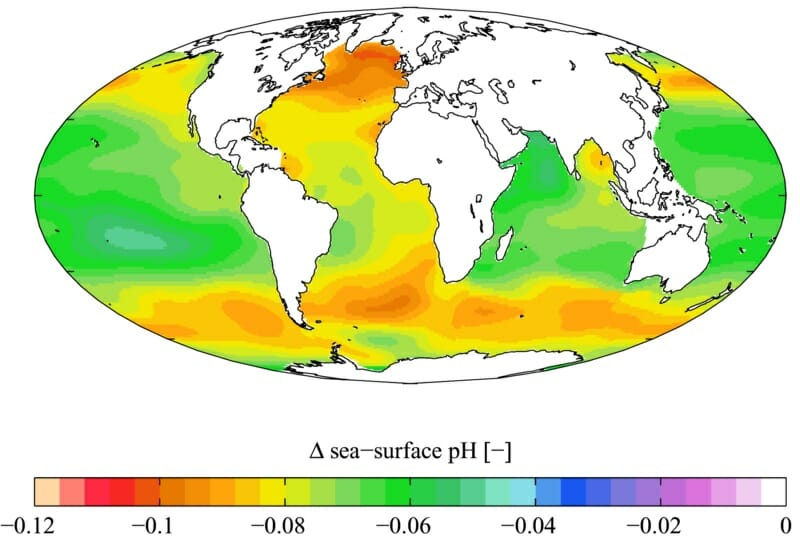
Estimated change in annual mean sea surface pH

The image above shows the change (delta) in the surface water pH of the world’s oceans. The acidification of the oceans is one of the key indicators of climate change.


References


  • Doney, S. C., Ruckelshaus, M., Duffy, J. E., Barry, J. P., Chan, F., English, C. A., … Talley, L. D. (2012). Climate Change Impacts on Marine Ecosystems. Annual Review of Marine Science, 4(1), 11–37. https://doi.org/10.1146/annurev-marine-041911-111611


How Climate Change Affects the Biodiversity of Marine Ecosystems

Wednesday, August 22, 2018

Electron Transport Chain and Oxidative Phosphorylation

Oxidative phosphorylation is a process involving a flow of electrons through the electron transport chain, a series of proteins and electron carriers within the mitochondrial membrane. This flow of electrons allows the electron transport chain to pump protons to one side of the mitochondrial membrane. As the protons build up, they create a proton-motive force, a type of electrochemical pressure. This pressure is relived through specialized protein complexes, which capture the energy of the protons as they flow to the other side of the membrane. The energy is then used to bond a phosphate group to the molecule adenosine diphosphate (ADP), creating adenosine triphosphate (ATP). This completes the process of oxidative phosphorylation.


Steps of Oxidative Phosphorylation


Before the Electron Transport Chain


For the electron transport chain to be able to pump protons to one side of the mitochondrial inner membrane, it must first have a source of those electrons and protons. There are several cellular processes which lead to the oxidation (“burning”) of various cellular food sources. These processes include glycolysis, the citric acid cycle, the fatty acid beta-oxidation metabolism, and the oxidation of amino acids.


All of these processes involve the transfer of electrons and protons to coenzymes. The most common coenzymes are nicotinamide adenine dinucleotide (NAD) and flavin adenine dinucleotide (FAD). NAD can be reduced with electrons and a proton to become NADH, while FAD can take on two protons and four electrons to become FADH2. These coenzymes can bind to the proteins of the electron transport chain, and transfer their electrons and protons. This becomes the first stage in the electron transport chain.


Within the Electron Transport Chain


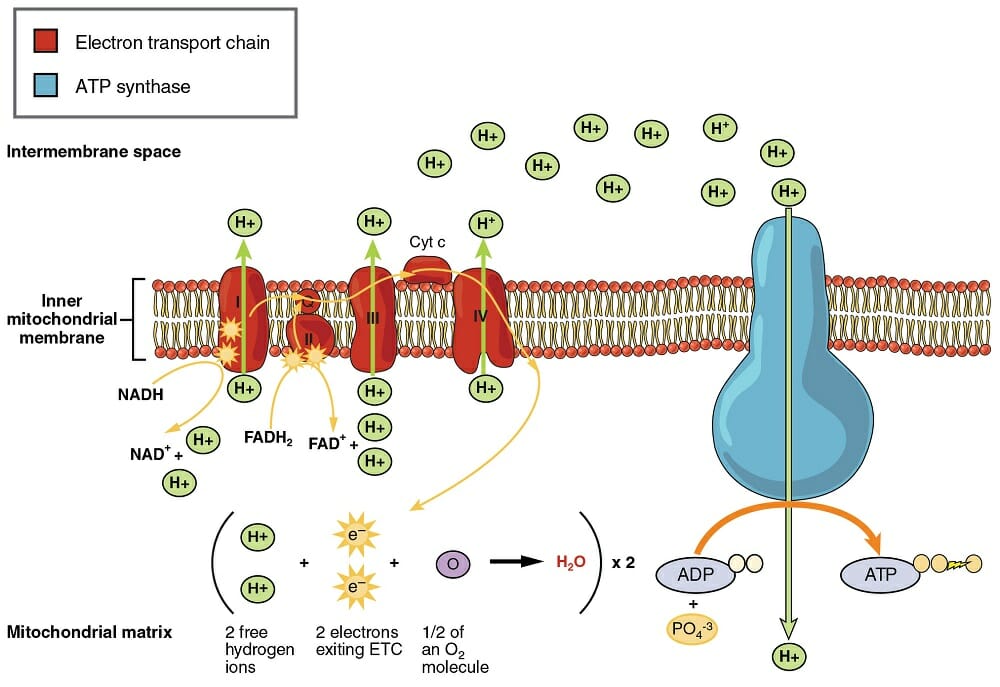
The electron transport chain consists of four protein complexes, simply named complex I, complex II, complex III, and complex IV. Each complex is designed to receive electrons from a coenzyme or one of the other complexes in the chain. The actions each complex takes can be seen in the image below.


The Electron Transport Chain


Complex I is responsible for relieving NADH of its hydrogen and electrons. The energy received by taking the electrons allows complex I to pump the hydrogen atom through the inner mitochondrial membrane, which concentrates hydrogens in the intermembrane space. The electrons are then passed to coenzyme Q (CoQ). CoQ can take on hydrogens and electrons, and can be reduced to CoQH2. The coenzyme transfers the electrons to complex III.


Meanwhile, complex II is also receiving electrons and protons. These come from FADH2, from the citric acid cycle. Complex II relieves FADH2 of its electrons, and passes them to CoQ. The coenzyme passes them to complex III, which now receives electrons and their energy from two sources. This allows complex III to pump large amounts of hydrogen across the membrane. Cytochrome c (Cyt c) allows the electrons to be passed to complex IV, the final complex in the electron transport chain. This complex passes the electrons to oxygen molecules, where they bind with hydrogens to produce water. With the final bit of energy, another proton is passed through the membrane.


ATP Synthesis


At this point, the electron transport chain has built up a large number of hydrogen ions in the intermembrane space. It did this with the energy it received through passing electrons through a series of energy releasing reactions. The final step of oxidative phosphorylation is the production of ATP, or the process of phosphorylation.


This process takes place in a complex called ATP synthase. This large complex uses the proton-motive force to attach phosphate groups to ADP molecules. Because there are so many protons built up in the intermembrane space, they want to push their way to the other side. ATP synthase uses this energy to undergo a conformational change. In doing so, it forces the ATD and phosphate group together, and reduces the energy they need to bond. ATP can then go on to fuel reactions all over the cell, when it is exported from the mitochondria.


The Electron Transport Chain Within Oxidative Phosphorylation


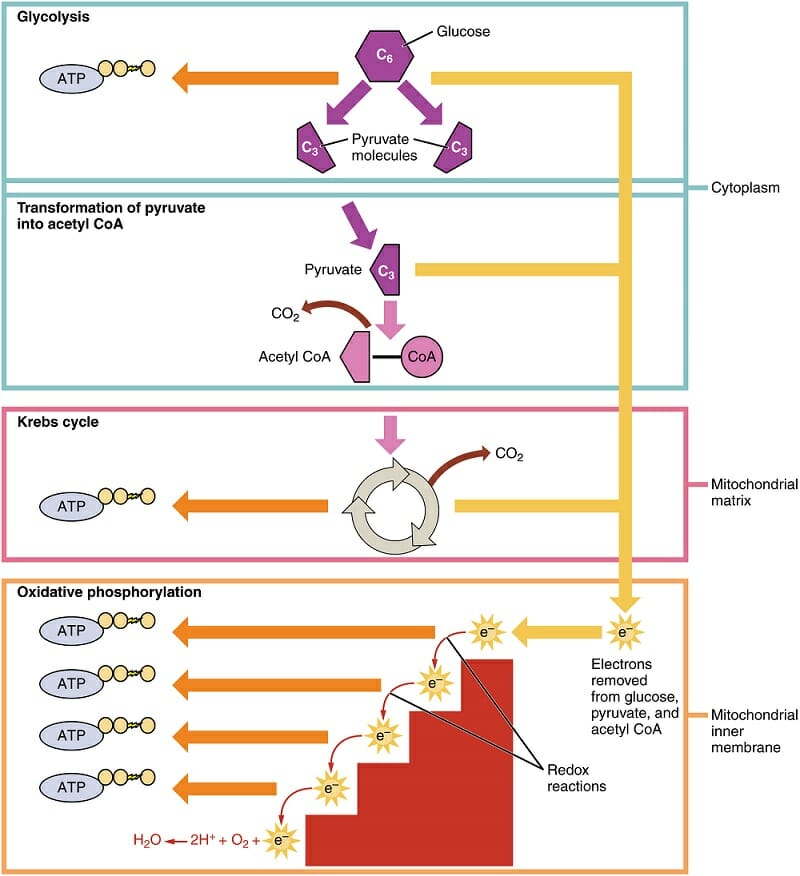
Oxidative phosphorylation is part of a larger system, cellular respiration. The 4 steps of cellular respiration can be seen in the image below. The first step occurs outside of the mitochondria. This involves the breakdown of glucose, lipids, or amino acids. This step is symbolized here with “Glycolysis” only. Remember that there are other ways to generate pyruvate and intermediates the Krebs cycle (citric acid cycle).


Cellular Respiration


The remaining steps take place within the mitochondria. The yellow lines in the image represent the generation of reduced coenzymes, or molecules which are carrying electrons. While some ATP is generated during glycolysis and the citric acid cycle, the majority is generated through oxidative phosphorylation. The electron transport chain is symbolized by the red staircase, representing the successive release of energy from the electrons. The orange arrows represent ATP synthase, which creates ATP through the proton-motive force.


Oxidative Phosphorylation within Cellular Respiration


Therefore, the electron transport chain is a part of oxidative phosphorylation, which itself is the last stage of cellular respiration. The truly interesting thing about these processes is that they are conserved across evolution. The electron transport chain can be observed in the most basic of organisms. Any eukaryote (cell with organelles), has mitochondria and therefore uses this exact same method to produce ATP. Even plants, which are often considered so different than animals, rely on the same process of oxidative phosphorylation.


Interestingly, the process of photophosphorylation is very similar to oxidative phosphorylation. This process is used in photosynthesis. However, instead of using oxygen to create water, it uses water to create oxygen. Basically the opposite of oxidative phosphorylation, photosynthesis uses an electron transport chain of its own to carry energy from sunlight into the bonds of sugar molecules. The plant can then use these molecules to feed other cells within its body. Just as an animal would, it breaks the glucose into pyruvate, and the pyruvate enters the mitochondria and eventually undergoes oxidative phosphorylation powered by the electron transport chain.


Quiz


1. Which of the following is a true statement?
A. Oxidative phosphorylation and the electron transport chain are unrelated
B. Oxidative phosphorylation drives the electron transport chain
C. Oxidative phosphorylation relies on the electron transport chain

Answer to Question #1
C is correct. The process of ATP synthase attaching phosphate groups to ADP is the process of phosphorylation. The energy used for this process comes from the oxidation of various substances, and the electrons received from doing so. These electrons generate a proton gradient, which drives ATP synthase.

2. What would happen to a cell if there was no electron transport chain?
A. The cell would have no energy
B. The cell would fall apart
C. The cell would have less energy

Answer to Question #2
C is correct. While oxidative phosphorylation does provide a huge supply of energy, there are other pathways cells can take to make energy. Remember that the electron transport chain needs oxygen. Without oxygen, it will stop working. This is when cells have to resort to less efficient methods of energy production such as fermentation.

3. As a scientist in your laboratory, you extract the mitochondria from your own cell, and from the cells of your favorite house plant. You put each mitochondria in a small dish, surrounded with pyruvate. You measure how much ATP each mitochondria makes. What do you expect?
A. The animal mitochondria will make more ATP
B. The plant mitochondria will make more ATP
C. They will produce roughly the same amount of ATP

Answer to Question #3
C is correct. All mitochondria are thought to have arisen from the same bacterial ancestor billions of years ago. Thus, in plants and animals they operate essentially in the same way. A major different between plants and animals may come in the number of mitochondria per cell. An animal may pack their muscle cells with mitochondria to provide energy for contractions, where a plant cell may only need a handful of mitochondria in each cell to provide their energy needs.

References


  • Lodish, H., Berk, A., Kaiser, C. A., Krieger, M., Scott, M. P., Bretscher, A., . . . Matsudaira, P. (2008). Molecular Cell Biology (6th ed.). New York: W.H. Freeman and Company.

  • Nelson, D. L., & Cox, M. M. (2008). Principles of Biochemistry. New York: W.H. Freeman and Company.

  • Widmaier, E. P., Raff, H., & Strang, K. T. (2008). Vander’s Human Physiology: The Mechanisms of Body Function (11th ed.). Boston: McGraw-Hill Higher Education.


Electron Transport Chain and Oxidative Phosphorylation

Thursday, August 16, 2018

Cellular Respiration and Photosynthesis

Together, the processes of photosynthesis and cellular respiration allow life on Earth to gather energy for use in other reactions. Besides the organisms that rely on sulfur near hydrothermal vents, the majority of life on Earth relies on the sugar glucose. Glucose is created by the process of photosynthesis. Cellular respiration involves the breakdown of glucose and the storage of the energy received into the molecule ATP. Plants create their own energy through photosynthesis and also use cellular respiration to produce ATP. Animals must rely on the sugars that they’ve gathered from plants to supply their mitochondria material to produce ATP.


Process of Photosynthesis


Photosynthesis is the main process which drives life on Earth. Through photosynthesis, energy from the sun is captured in the bonds of organic molecules. These molecules, glucose molecules, are the basis of all life on Earth. Glucose will be used by the process of cellular respiration to harness chemical energy stored within the covalent bonds of the sugar.


Photosynthesis occurs in the leaves and green parts of plants. Organelles within plant cells, known as chloroplasts, contain specialized proteins capable of interacting with light. Cytochromes are these specialized proteins, which are attached to a heme group. Heme groups are also seen bound to hemoglobin, in blood cells. Instead of iron, these heme cells bind magnesium. The complex structure of the heme interacts with the photons of light passing through them.


The chloroplast uses the energy harnessed from these photons and their interaction with the cytochromes and other proteins to drive the formation of glucose. To do this, the chloroplasts will combine units of carbon dioxide into chains of 6 carbons, 12 hydrogens, and 6 oxygens. This is glucose, which can then be modified and combined with other glucose molecules to be stored as starches and complex sugars like fructose.


Photosynthesis Reaction


The photosynthesis reaction has two parts, commonly referred to as the Light reactions and the Calvin Cycle. The entire process of photosynthesis can be seen below.
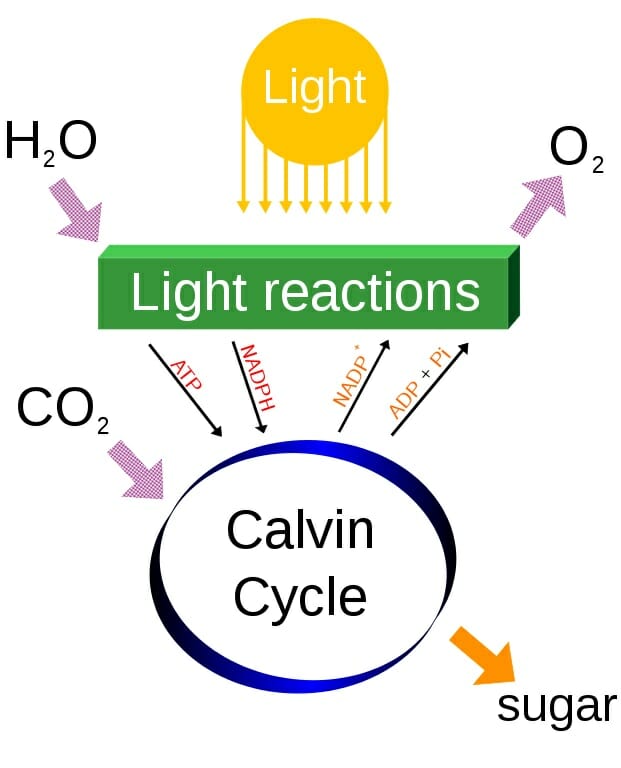

Simple photosynthesis overview

Simple photosynthesis overview


At the top of the diagram, light and water combine in the chloroplasts, where the hydrogens are separated from the oxygen in chain of proteins starting from the energy-collecting cytochromes and accessory pigments. The hydrogens, electrons, and associated energy are bound to ADP and NADP+. These molecules can bind a hydrogen, electrons, and energy. In doing so, they become the main products of the light reactions, NADPH and ATP. Oxygen is produced as a by-product.


ATP and NADPH are then used within the Calvin Cycle, a series of reactions which recycles these electron-carriers and produces glucose. The energy within and the hydrogen molecules are used to energize reactions throughout the cycle. The Calvin Cycle has three phases, carbon fixation, reduction, and regeneration of ribose. These reactions can be seen in the image below. Notice that the addition of one carbon dioxide in one turn of the reaction produces the 3-carbon molecule 3-phoshphoglycerate. Two of these molecules are then combined to produce a glucose, among other things.
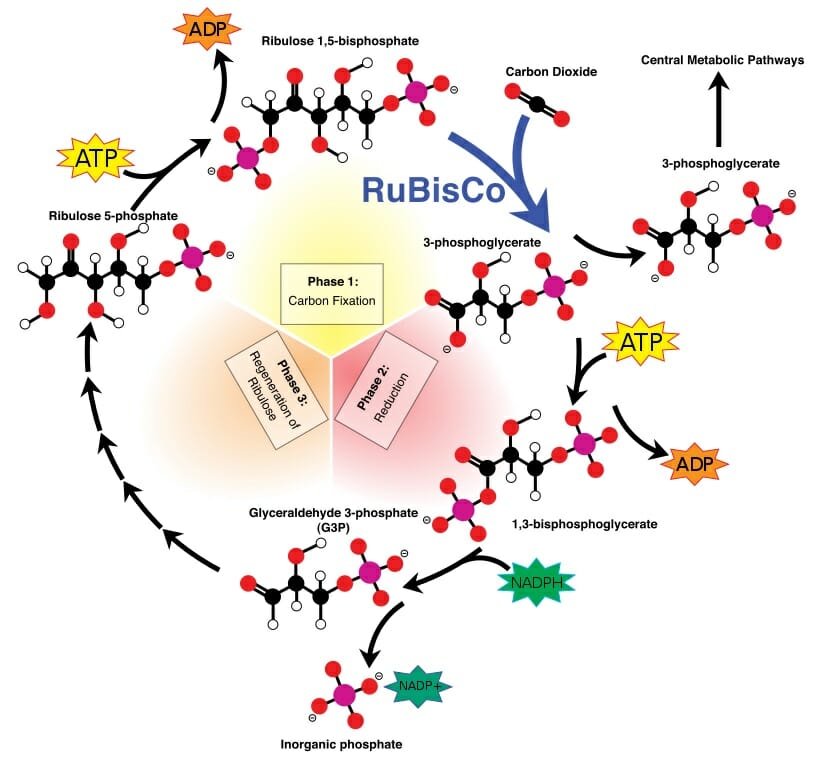

Calvin cycle

Calvin cycle


Process of Cellular Respiration


Once the glucose is created by the chloroplasts, it can be used to drive other reactions within the cell. It can also be exported to other cells within the organism. This is where the process of cellular respiration takes over. Cellular respiration has 4 distinct processes, which drive the creation of ATP. This ATP can be used in a number of cellular reactions, and provides activation energy to help enzymes complete tasks.


Cellular respiration happens in the mitochondria, a small organelle similar to the chloroplasts. While chloroplasts are only found in plants, mitochondria are found in all living eukaryotes. Plants provide all the glucose their cells need, and more. This extra glucose they store as starches and complex sugars. Animals, and indeed the entire food-chain, relies on the glucose produced by plants.


Cellular Respiration Reaction


The first process of cellular respiration, glycolysis, is exactly what its name implies. “Glyco-” refers to glucose, where “-lysis” refers to something being divided or split in half. Glycolysis happens within the cytosol of the cell, outside of the mitochondria. In this process, the 6-carbon glucose molecule is split into two molecules of pyruvate.


This 3-carbon molecules is then converted to Acetyl CoA in the next step. This molecule will be an essential part of the Krebs cycle. Acetyl CoA is also able to transfer into the mitochondria, where the Krebs cycle and oxidative phosphorylation will take place. This can be seen in the diagram below. The labels on the right show where the various reactions take place.
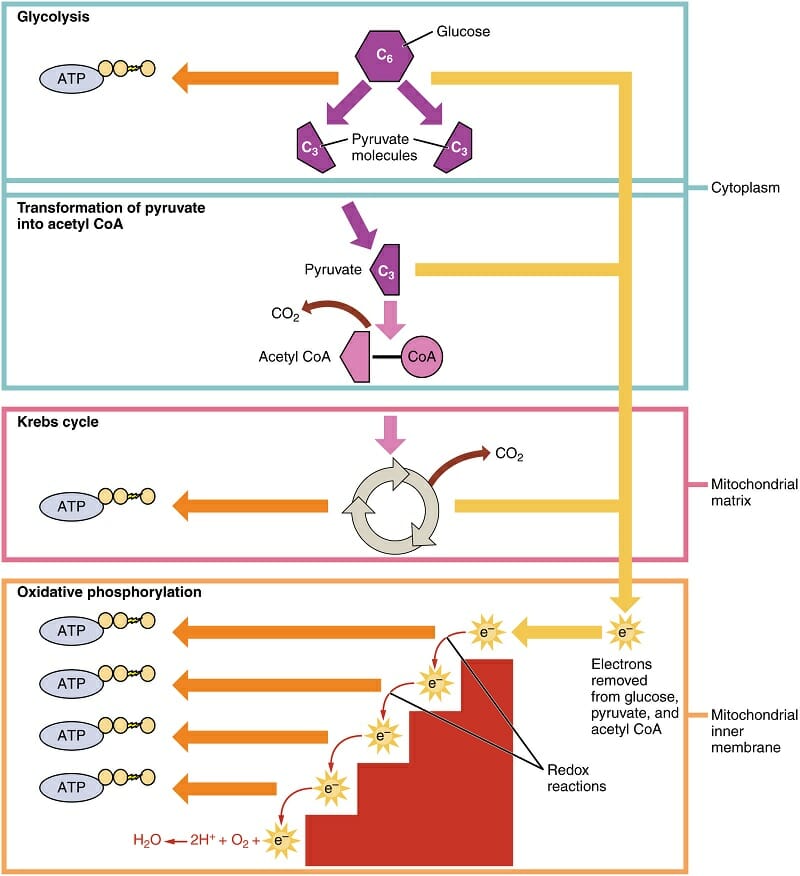

Cellular Respiration

Cellular Respiration


The Krebs cycle is similar to the Calvin cycle, in that it recycles certain molecules to continually drive the production of electrons and ATP. The electrons are then passed to the inner mitochondrial membrane. This membrane is loaded with specialized proteins, capable of transferring energy derived from the passing of electrons down their potential gradient.


This electron transport chain uses a series of electron driven enzymes, which specialize in binding loose phosphate groups to ADP. In doing so, they store energy in the bond between these molecules, and create an ATP. These ATP molecules are then exported from the mitochondria, and can be used throughout the cell to provide energy in other reactions. For instance, ATP is used to pump ions out of cells, creating the electrical potential needed for nervous reactions. There are innumerous other examples.


Cellular Respiration, Photosynthesis, and Evolution


In the Theory of Evolution, the origins of life on Earth are highly unproven. However, there is a large body of evidence which points to the fact that all life has a common ancestor. This ancestor then diverged, over hundreds of millions of years, into the millions of species we see on Earth today. The process of endosymbiosis would account for this complexity.


Bacteria, the simplest organisms, likely represent a fairly unchanged version of the first form of life. Bacteria have no organelles, and complete all the reactions they need for metabolism within a single compartment. Many bacteria are able to complete glycolysis, which can provide them with energy. Others are able to photosynthesize, like primitive single-celled plants.


According to Endosymbiotic theory, these ancient bacteria began interacting and the processes of evolution drove them into different niches within the environment. Some would harness sunlight, while others would feed upon those. Eventually, some of the predatory bacteria became quite large. As such, they could take in large quantities of smaller bacteria. Instead of digesting them, they created a safe space for them and helped them produce more energy. Thus, the smaller endosymbiotic bacteria became the first organelles.


This theory suggests that chloroplasts were originally photosynthetic bacteria, and that mitochondria were originally bacteria capable of oxidative phosphorylation. The larger bacteria became eukaryotes, and developed other organelles. This theory is backed by the evidence that both chloroplasts and mitochondria are surrounded in double membranes, a supposed remnant of the ancestral engulfing process. Further, both mitochondria and chloroplast contain bits of circular DNA, similar to that found in bacteria. This DNA is replicated separately from the main DNA found within the nucleus.


Cellular Respiration, Photosynthesis, and Ecology


Hundreds of millions of years after this division of organelles, and evolution has given us what we see today. Plants are related to algae, which are related to photosynthetic bacteria. Animals are related to the ancient organisms which did not receive photosynthetic endosymbionts, and instead relied on consuming other organisms.


At the bottom of the food-chain sit the photosynthetic organisms. They form by far the largest biomass on Earth, limited only by the amount of sunlight, nutrients, and water they receive. One step above plants and algae, herbivores exploit the bounty that plants produce. Some of the largest animals in the world, such as the elephant, are entirely herbivorous. But, there are herbivores of every size, all the way down to grasshoppers and tiny insects. Because an herbivore must consume many photosynthetic organisms to grow, there are many less organisms on this level of the food-chain.


Likewise, there are many less carnivores than there are herbivores, because they must feed on many smaller organisms throughout their life to grow and reproduce. In this way, the entire food-chain and ecology in general is entirely based off of the processes of photosynthesis and cellular respiration. Ecology is also the study of how various organisms interact with each other while carrying out these reactions.


Quiz


1. Which of the following is NOT a difference between photosynthesis and cellular respiration
A. Only one uses sunlight
B. Only one breaks glucose down
C. Only one relies on a cycle of carbon molecules

Answer to Question #1
C is correct. The Krebs cycle and the Calvin cycle, while differing in their outputs, both rely on a chain of carbon molecules which are continually recycled. The molecules are different, but the processes are very similar.

2. As a human, your cells rely on glucose to function. Where does this glucose come from?
A. Your body
B. Plants
C. Meat

Answer to Question #2
B is correct. All of the food that you consume was at one point a plant. If you eat meat, the nutrients you receive from that meat are the same nutrients that animal ate before it died. Even the protein and fat in animals is simply a reuse of the protein and glucose found in plants.

3. Which of the following things would be MOST devastating to an ecosystem?
A. All the grass in a meadow is killed with an herbicide.
B. All the butterflies in a meadow are killed with a pesticide.
C. All the birds in a meadow are killed by hunters.

Answer to Question #3
A is correct. Without the grass, the entire food chain will collapse. The other two examples represent higher levels of the food chain. Without grass, all the insects would die, and all the birds. But also remember that none of the options are good. Without the birds, insects may eat all the grass and the same result will occur.

References


  • Lodish, H., Berk, A., Kaiser, C. A., Krieger, M., Scott, M. P., Bretscher, A., . . . Matsudaira, P. (2008). Molecular Cell Biology (6th ed.). New York: W.H. Freeman and Company.

  • McMahon, M. J., Kofranek, A. M., & Rubatzky, V. E. (2011). Plant Science: Growth, Development, and Utilization of Cultivated Plants (5th ed.). Boston: Prentince Hall.

  • Nelson, D. L., & Cox, M. M. (2008). Principles of Biochemistry. New York: W.H. Freeman and Company.


Cellular Respiration and Photosynthesis

Sunday, May 6, 2018

What is Solar Irradiance

Solar Irradiation Basics


Solar irradiation is the amount of electromagnetic radiation received from the sun per unit area (usually square meters). In other words, it’s the amount of the sun’s power detected by a measuring instrument. When these data are integrated over time, the information is called solar irradiation, insolation, or solar exposure. The amount of solar irradiance varies depending on how far the object is from the sun, the angle of the sun, and the solar cycle—the change in the sun’s appearance and activity every 11 years. Irradiance can be measured for the moon, stars, or any other glowing object.


Breaking solar irradiance data up into its individual wavelengths (colors) of light, also called spectral irradiance, gives scientists additional information. The irradiance of the sun is studied at several wavelengths including visible light, infrared (IR), ultraviolet (UV), extreme ultraviolet (EVU), and X-rays.


Studying spectral irradiance is important because each wavelength is absorbed in various parts of the atmosphere. For example, the radiation from visible and IR light warms surfaces like the skin and the roofs of buildings. Also, changes in solar EVU output effects space weather which is an important concern for spacecraft and space travel.


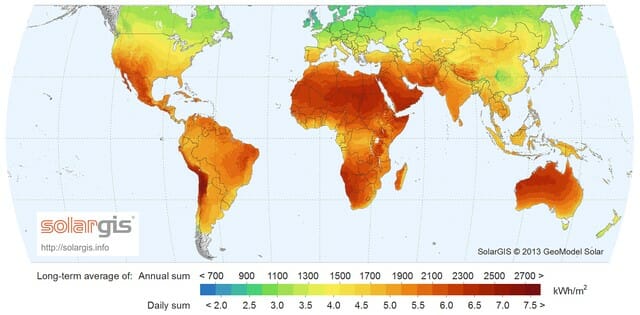
The irradiance at the top of the Earth’s atmosphere is about 1361 W/m2. After passing through the atmosphere and losing energy, irradiation at the surface of the planet is 1000 W/m2 on a clear day at sea level. The average daily irradiance of the Earth is about 6 kWh/m2. Even small changes in the sun’s irradiance can have dramatic effects on the climate, atmosphere, and ionosphere.


Applications of Solar Irradiance


Calculations using solar irradiation values are used to plan solar power systems. Most countries have insolation maps and tables for the last 30 to 60 years for use in planning. There are several solar power technologies the choose from and each uses a different portion of the total irradiation. Concentrated solar power uses only direct irradiation from the sun to generate electricity and is suitable for areas with little cloud cover. Solar voltaic panels are more versatile and use either direct or diffuse radiation.


Architects use solar irradiance to design passive heating and cooling systems for homes and buildings. Incorporating vertical windows on the side of the structure that faces the equator allows the sun’s rays to enter for heating in the winter when the sun is low in the sky. Conversely, in the summer when the sun is higher in the sky during the day, less solar irradiation enters the structure, helping to keep it cool.


Solar irradiance also plays a key role in climate modeling and weather forecasting. Scientists combine insolation data with other quantitative measurements to study how climate and weather work, what affects them and to make predictive models to project future weather conditions and changes in climate.


Solar GIS world map

The image above shows the Earth’s global solar irradiation.


References


  • Garner, R. (2015, April 3). Solar Irradiance [Webpage]. Retrieved May 4, 2018, from http://www.nasa.gov/mission_pages/sdo/science/solar-irradiance.html

  • Solar irradiance. (2018, April 25). In Wikipedia. Retrieved from https://en.wikipedia.org/w/index.php?title=Solar_irradiance&oldid=838208993


What is Solar Irradiance

What is Irradiated Blood

Irradiated blood is used to prevent transfusion-associated graft-versus host disease (TA-GvHD) in people who received bone marrow transplants or transfusions of blood components. The disease can also affect a person who receives a blood transfusion from a close relative who is homozygous for certain human leukocyte antigens (HLA).


The risk of developing TA-GvHD is small, but patients who should take the precaution of using irradiated blood include those with a weakened immune system due to Hodgkin’s disease, people who have taken certain chemotherapy drugs, unborn babies, and babies who need exchange transfusions. Other indications include non-Hodgkin’s lymphoma, multiple myelomas, Waldenstrom’s macroglobulinemia, severe combined immunodeficiency (SCID), and Wiskott-Aldrich syndrome


TA-GvHD


The irradiation process kills the donor’s T-lymphocytes which are the main cause of TA-GvHD. Unless the T-lymphocytes are destroyed, they will graft themselves in the recipient’s tissues. If the person’s own immune system is incapable of mounting an immune response to them, the T-lymphocytes get the upper hand and attack the recipient’s body as if it were a foreign invader.


Between 4 and 30 days after transfusion, the resulting cascading immune response causes fever, rash, diarrhea, hepatitis, and reduced levels of red blood cells, white blood cells, and platelets (pancytopenia). Experts describe attempts to treat TA-GvHD as “difficult to futile.” The disease is fatal about 90% of the time, and death occurs due to an infection the patient can’t fight off or hemorrhaging caused by the pancytopenia.


How Blood is Irradiated


Blood is irradiated by exposing the bags to gamma radiation from cobalt-60 or cesium-137 using an instrument called an irradiator. The minimum radiation dose to kill the T-lymphocytes of 25 Gy10. Another method uses X-rays generated by a linear accelerator. When irradiating just red blood cells, they should be treated within 14 days of their expiration date and stored for a maximum of 28 days or until their expiration, whichever comes first.


Blood does not become radioactive after it is irradiated, and it does not present a danger to the recipient or their family members. The process does not damage healthy blood cells or platelets, but it does shorten the shelf life slightly because the cells lose some of their salt content.


References


  • Alter, H. J., & Klein, H. G. (2008). The hazards of blood transfusion in historical perspective. Blood, 112(7), 2617–2626. https://doi.org/10.1182/blood-2008-07-077370

  • Anwar, M., & Bhatti, F. A. (n.d.). Transfusion-Associated Graft Versus Host Disease. Retrieved May 3, 2018, from http://www.ayubmed.edu.pk/JAMC/PAST/15-3/masood.htm


What is Irradiated Blood

What is Food Irradiation

Food is irradiated for many reasons including reducing the risk of food-borne illnesses, extending shelf-life, controlling insects and invasive pests, sterilization, and delaying or stopping the sprouting or ripening of food. Just like pasteurizing milk or canning food, irradiating food makes it safer for the consumer.


Radiation kills disease-causing organisms such as Salmonella and Escherichia coli and microorganisms that cause food spoilage and decomposition. Using radiation also kills insects that may be inadvertently introduced into countries, eliminating the need for pesticides or other pest control measures that may be harmful. Potatoes are irradiated to prevent them sprouting and irradiating fruits delays ripening. Both treatments increase the shelf life of the foods. Higher levels of radiation sterilize food so it can be stored for years without refrigeration.


How the Process Works


Food is irradiated using gamma rays, X-rays, and electron beams. Depending on how deep the radiation penetrates, entire palettes of food can be irradiated at once or just a single layer at a time.


Gamma rays come from the elements cobalt and cesium and penetrate farther into substances than electron beams. In addition to their use on food, gamma rays are used to in cancer treatment and to sterilize medical and dental equipment.


X-rays are usually equated with the medical industry, but they are also effective for irradiating food. A stream of high-energy electrons is reflected off a metallic substance like tungsten or tantalum and directed so they pass through the food. The penetration of X-rays is similar to gamma rays, but X-rays require more energy, yet they are easier to control and can be applied more uniformly.


To irradiate food using an electron beam, a stream of electrons is accelerated until it is traveling close to the speed of light and directed at the food. The electrons kill microorganisms by damaging and causing breaks in the DNA and RNA.


In food processing, irradiation is measured in units called grays (Gy). A kilogray (kGy) is equal to 103 grays. Low doses up to 1.00 kGy are used for inhibiting sprouting of potatoes and delaying fruit ripening. To delay the spoilage of meat, reducing the risk of disease-causing microorganisms in meat, and sanitizing spices, medium doses ranging from 1.00 kGy to 10 kGy are used. Finally, high doses of up to 70 kGy sterilize meat.


Is Irradiated Food Safe to Eat?


Irradiating food does not make it radioactive, change the quality of the food, or noticeably alter its taste, appearance, or texture. The US Food and Drug Administration (FDA), US Centers for Disease Control and Prevention (CDC), US Department of Agriculture (USDA), and the World Health Organization (WHO) have determined that irradiated food is safe. Hundreds of animal feeding studies have been conducted since the 1950s and this information has helped these agencies make their decision to endorse food irradiation.


Food Irradiation Laws in the US and EU


Over 500,000 metric tons of food are irradiated each year in over 60 countries around the world. The regulations for irradiating and which foods are allowed to be irradiated vary greatly. For example, Brazil allows irradiation of all foods at any dose while Germany and Austria only allow irradiated dried spices, herbs, and seasonings at a specific dose.


In the United States, irradiation is considered a food additive, not a process, and there are specific requirements for disclosing it on food packaging. Along with the statement “Treated with radiation” or “Treated by irradiation,” foods must display the Radura symbol on the package (see image below). If an irradiated ingredient is used in another product, it must be disclosed in the ingredients but the Radura symbol is not required. In addition, restaurants in the US are not required to disclose the use of irradiated ingredients to their customers.


Food in the European Union (EU) is regulated as a single market, meaning there are few trade barriers and some regulations cover all the countries. Irradiated food falls into this category, so any irradiated food can be marketed anywhere in the EU, even if countries have banned it on their own. EU law says that before a food can be added to the list of approved radiated foods, it must undergo toxicology testing. Also, irradiated foods can be imported into the EU providing the irradiating facility has been inspected and approved by the European Community (EC).


Radura Symbol

The image above is the Radura international symbol for irradiation. The US FDA requires all irradiated foods to bear the symbol.


References


  • Consumers – Food Irradiation: What You Need to Know. (n.d.). [WebContent]. Retrieved May 3, 2018, from https://www.fda.gov/food/resourcesforyou/consumers/ucm261680.htm

  • Food irradiation. (2018, April 28). In Wikipedia. Retrieved from https://en.wikipedia.org/w/index.php?title=Food_irradiation&oldid=838713415


What is Food Irradiation

Intracellular Fluid vs Extracellular Fluid

Water is essential for life and the dominant fluid in the human body. Water comprises about 75% of body weight in children, 55% in adults, and 45% in old age. The movement of water in and out of cells through a semipermeable membrane (osmosis) is a passive process that doesn’t require energy and is controlled by the number of dissolved solids, or solute, in the fluids.


Intracellular Fluid (ICF)


The fluid inside of cells, also called the cytoplasm or cytosol, makes up about 60% of the water in the human body, totaling about 7 gallons. Organelles like the nucleus, endoplasmic reticulum, mitochondria, lysosomes, and Golgi apparatus are suspended in and supported by the ICF. Also found in the ICF are cellular building blocks like sugars, proteins, carbohydrates, and lipids.


Extracellular Fluid (ECF)


ECFs are any body fluids that are not inside cells. The two main components of ECF are plasma and interstitial fluid (IF). The balance consists of cerebrospinal fluid, lymph, the synovial fluid in the joints, pleural fluid in the pleural cavities (lungs), pericardial fluid around the heart, peritoneal fluid in the peritoneal cavity (abdomen), and the aqueous humor of the eye. In mammals, milk is also considered an extracellular fluid.


The Movement of Solutes Between Compartments


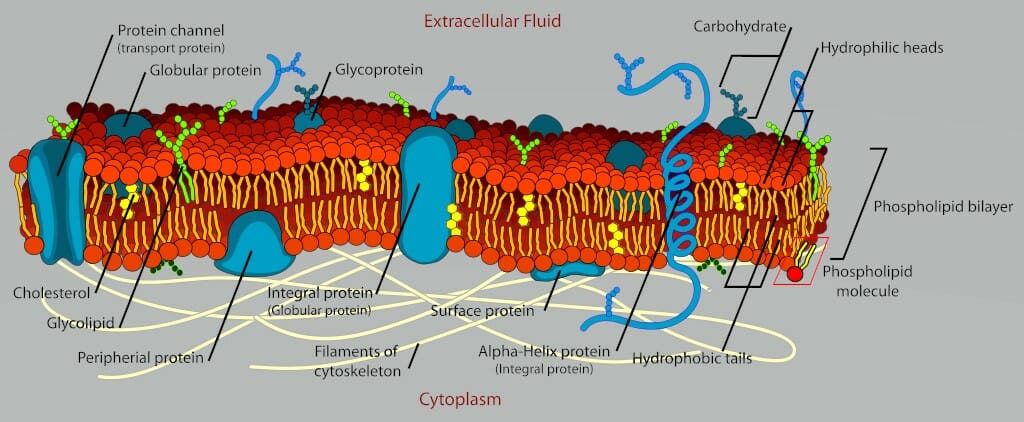
The ICF has higher amounts of potassium, phosphate, magnesium, and protein compared to the ECF. The plasma has high concentrations of sodium, chloride, and bicarbonate, but lower levels of protein as compared to the ICF. While water moves passively via osmosis, sodium and potassium ions move in and out of cells using active transport ion pumps. The pumps are powered by adenosine triphosphate (ATP) to provide the energy to move the ions against their concentration gradients (i.e. sodium moves out of the cell and potassium is pumped in) and maintain the gradients inside and outside the cell.


Cell membrane detailed diagram

The image above shows the composition of the cell membrane that separates the extracellular fluid of a cell from the intracellular fluid (cytoplasm).


References


  • Body Fluids and Fluid Compartments | Anatomy and Physiology II. (n.d.). Retrieved April 30, 2018, from https://courses.lumenlearning.com/suny-ap2/chapter/body-fluids-and-fluid-compartments-no-content/


Intracellular Fluid vs Extracellular Fluid

Intertidal Zone Facts

Intertidal zones are marine biomes that are underwater during high tide and exposed during low tide. The receding water at low tide reveals a variety of habitats and sea creatures that are normally hidden. The intertidal zone is also known as the seashore, foreshore, and the littoral zone.


Fact #1 – Intertidal Zones are Harsh Habitats


Creatures that live or spend part of their day in intertidal zones must be well adapted to the extremes. For example, organisms that wash up on the shore as the tide recedes are transported from a watery world into a world with a gaseous atmosphere that can cause them to dry out. On hot sunny days, they must be adapted to high temperatures. Also, creatures must be able to withstand the pounding action of the waves as the tides go out and come in.


Fact #2 – The Neritic Zone Has the Greatest Biodiversity and Productivity in the Ocean


The neritic zone extends from the margin of the intertidal zone to ocean depths of about 650 feet (200 meters). Due to the stable temperatures, oxygenation of the water, low pressure, and silt content, this zone is home to a vast array of life and large populations of organisms. These include phytoplankton, zooplankton, protists, small fish, and shrimp.


Fact #3 – The Intertidal Zone Has Three Regions


The three areas that makeup the intertidal zone are the low, middle, and high zones. They are divided up based on overall average exposure of the area. The low zone is the area exposed to the atmosphere when the tide is at its lowest point. The middle zone experiences regular exposure and submersion during the tidal cycles. The high zone is covered by water when the tide is at its highest.


Fact #4 – The World’s Highest Tides are in Canada


The Bay of Fundy in southeastern Canada has a 65-foot (20 meter) difference between high and low tides, the highest tidal difference in the world. The bay has distinct features that make these high tides possible. The Bay of Fundy is very deep and consequently contains an enormous amount of water, and the unique shape of the bay causes the water to oscillate (swing back and forth) over a time period of 12 to 13 hours. The oscillation period coincides with high tide on the Atlantic Ocean every 12 hours and 26 minutes which causes the water in the bay to resonate (be prolonged).


Fact #5 – The Intertidal Zone Provides Food for a Variety of Organisms


The organisms revealed on the shore at low tide provide food for dozens of species of birds like herons, eagles, gulls, and other shorebirds. Even larger mammals like bears, raccoons, wolves, deer, and otter supplement their diets with marine creatures exposed at low tide. Also, for thousands of years, humans have migrated to the shores of the oceans to live and forage for food at low tide.


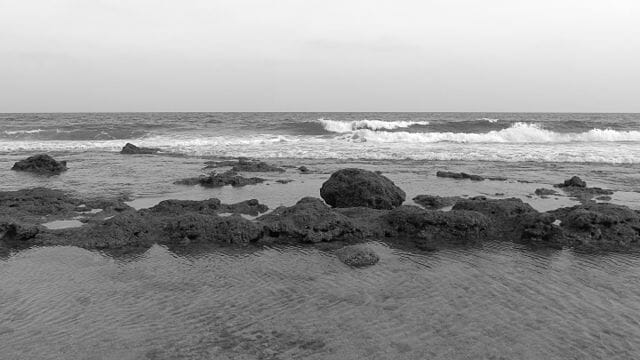
Intertidal zone Lakshadweep

The image above shows the intertidal zone in Lakshadweep off the coast of Kerala, India.


References


  • Bay of Fundy Tides: The Highest in the World! (n.d.). Retrieved from https://www.bayoffundy.com/about/highest-tides/

  • Intertidal Zone. (n.d.). In Wikipedia. Retrieved April 25, 2018 from https://en.wikipedia.org/wiki/Intertidal_zone

  • OpenStax College. (2018). Concepts of Biology. Houston, TX. OpenStax CNX. Retrieved from http://cnx.org/contents/b3c1e1d2-839c-42b0-a314-e119a8aafbdd@9.39


Intertidal Zone Facts

What Happens to a Cell in a Hypotonic Solution

Osmosis


In biology, osmosis refers to the movement of water. It is a passive process, meaning it requires no energy and happens automatically. The water moves from an area of greater concentration to an area of lesser concentration until equilibrium is reached. For cells, this movement is from one compartment to another through a semipermeable membrane. The solution is the area outside the cellular compartment, also called the extracellular environment.


Solute Concentration


Solute is the number of dissolved solids in a solution regardless of what they are. It can consist of proteins, carbohydrates, ions, hormones, etc. When discussing osmosis, comparison is made between the intracellular and extracellular (solution) solute concentrations. The concentration is also called the osmolarity of the solution. The difference between the number of dissolved solids creates an osmotic pressure gradient that forces water to move to achieve equilibrium between the inside and outside environments.


Hypotonic Solution


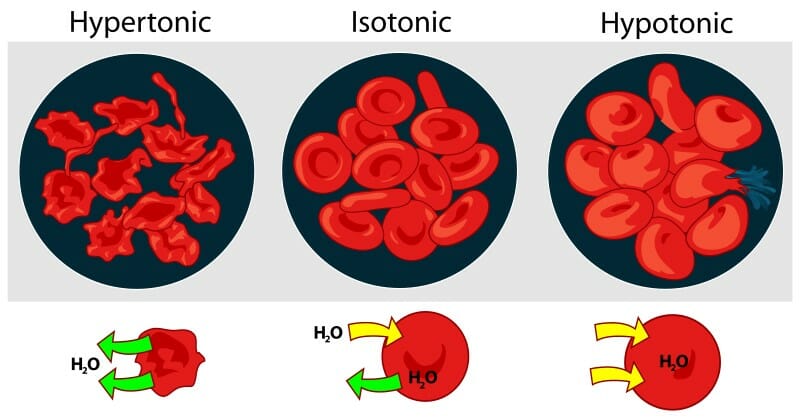
In a hypotonic solution, the solute concentration is lower than inside the cell. The prefix hypo means under or below in Latin. Under these conditions, the osmotic pressure gradient forces water into the cell. Depending on the amount of water that enters, the cell may look enlarged or bloated. If the water continues to move into the cell, it can stretch the cell membrane to the point the cell bursts (lyses) and dies.


Cells don’t have the ability to regulate their water content (remember that osmosis is a passive process), so they rely on the body to provide an environment where intracellular and extracellular solute concentrations are equal or isotonic. The body regulates the composition of extracellular fluid using the kidneys, adrenal glands, and the hypothalamus in the brain which triggers thirst and drives organisms to drink water. Slight fluctuations in the solute concentration of the extracellular fluid throughout the day cause small amounts of water to be exchanged between the intracellular and extracellular compartments to maintain homeostasis.

In contrast to hypotonic and isotonic solutions, a hypertonic solution has a higher solute concentration than inside the cell. When this happens, the osmotic gradient causes water to rush out of the cell and it becomes wrinkled or shriveled. If this happens to red blood cells, it is called crenation


Plant Cells


Plant cells respond the same way as animal cells in a hypotonic solution, but the affects may not be as severe. Plants have rigid cell walls made of cellulose covering the plasma membrane. This makes it difficult for the cell to lyse, but the increased pressure causes the sides of the cell to bulge out.


Osmotic pressure on blood cells diagram

The image above shows the effects of osmotic pressure gradients on red blood cells.


References


  • OpenStax College. (2018). Anatomy & Physiology. Houston, TX. OpenStax CNX. Retrieved from http://cnx.org/contents/14fb4ad7-39a1-4eee-ab6e-3ef2482e3e22@8.119

  • Tonicity. (n.d.). In Wikipedia. Retrieved April 25, 2018 from https://en.wikipedia.org/wiki/Tonicity


What Happens to a Cell in a Hypotonic Solution

Septate vs Non-Septate Hyphae

Hyphae (singular, hypha) are long, filamentous, tube-like structures which are the basic building blocks of fungi. They cluster together to form mycelium which make up the thallus or fruiting body of the fungus. Inside hyphae are cytoplasm, nuclei, and various organelles. The main functions of hyphae are absorbing nutrients from the environment and providing a transportation network throughout the fungus. Yeast is an exception because it is one type of fungus that does not have hyphae. However, they form incomplete buds called pseudohyphae.


Septate Hyphae


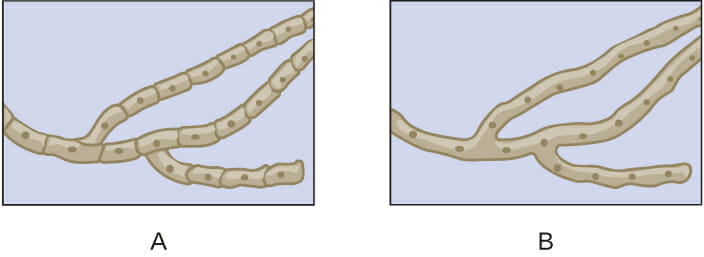
Some fungi have hyphae divided into cellular compartments by walls called septa. Septa have tiny perforations which allow molecules, cytoplasm, and sometimes organelles to move between the cells. Fungi can close their septa if they are injured, preventing fluid loss from the rest of the filament.


There are many species of fungi with septate hyphae including those in the genus Aspergillus and the classes Basidiomycetes and Ascomycetes. When Basidiomycetes mate with each other, the septa of one of the parents degrades to allow the incoming nuclei from the other parent to pass through the hyphae. After the nuclei have established themselves, the septa are reformed.


In some species of fungi that have wide hyphae, the septa act as support structures in addition to being barriers. When hyphae grow at their tips, the septum does not form right away. As the cell matures, the wall grows out into the cytoplasm, eventually spanning the width of the hyphae.


Non-Septate Hyphae


These types of hyphae are also called aseptate or coenocytic. They represent a more primitive form of fungi and are the ancient ancestors of septate hyphae. Fungi of the genus Mucor and the division Zygomycetes are non-septate. Non-septate hyphae do have some septa, but they are found only at the branching points. If there were no septa at all, the entire fungus would be at risk of compromise if even one hypha were damaged.


Non-septate hyphae are the result of the nucleus repeatedly dividing but not the cytoplasm. This can result in many nuclei in the cytoplasm along with other organelles such as ribosomes, endoplasmic reticulum, and Golgi apparatus.


Hyphae

The drawings above illustrate hyphae with septa (A) and without (B).


References


  • Ahmadjian, V., Alexcopoulos, C.J. & Moore, D. (2018). Fungus. In Encyclopedia Britannica online. Retrieved from https://www.britannica.com/science/fungus

  • Hypha. (n.d.). In Wikipedia. Retrieved April 23, 2018 from https://en.wikipedia.org/wiki/Hypha


Septate vs Non-Septate Hyphae

What Is Gamma Irradiation

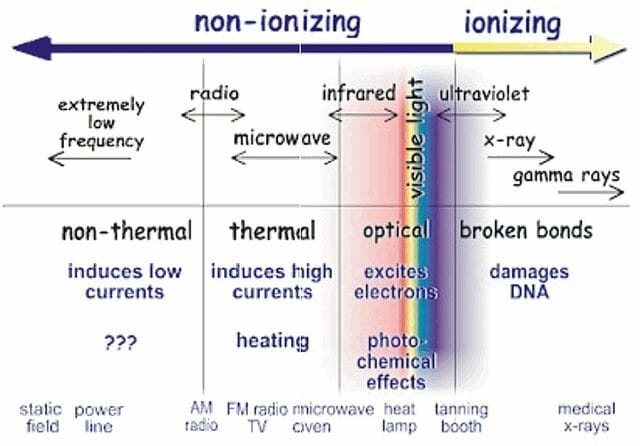
Irradiation defines how an object is exposed to radiation. When talking about gamma rays, irradiation usually refers to the ionizing radiation it emits, also called gamma radiation. X-rays are similar to gamma rays but differ in one key aspect. X-rays are photons emitted by electrons outside the nucleus, while the photons comprising gamma rays are emitted by the nucleus.


History of Gamma Rays


The French chemist Paul Villard is credited with discovering gamma radiation in 1900 in the rays emitted from the element radium. Villard knew it was more powerful than the previously discovered alpha (α) and beta (ß) rays in radium, but he did not give them a name. In 1903, Ernest Rutherford recognized the radiation as fundamentally different from alpha and beta rays and named them gamma (Γ) rays. Rutherford also noted that the gamma rays were not easily deflected by a magnetic field like alpha and beta rays.


Properties of Gamma Rays


Gamma rays are high energy photons traveling at the speed of light, and they penetrate materials deeper than alpha or beta rays. Alpha rays can be shielded by the skin or a piece of paper, and a thin sheet of aluminum will stop beta rays. Gamma rays, however, need higher density materials like lead to stop them. Whether a substance absorbs gamma rays as they pass through depends on the thickness and density of the material and how far away it is from the source of the gamma rays.


Gamma rays interact with matter in three main ways: the photoelectric effect, Compton scattering, and pair production. The photoelectric effect dominates at the low end of gamma ray energies (below 50 keV). In this situation, the gamma photon causes the ejection of an electron from an atom through a transfer of energy.


In Compton scattering, the gamma photon loses so much energy in the process of ejecting an electron from another atom, that it changes to a lower energy gamma photon going in a different direction (hence the term ‘scattering’). This type of scattering happens in the energy range of 100 keV to 10 MeV. At energies over 1.02 MeV, gamma rays change energy into matter by interacting with the electric field of a nucleus.


Sources of Gamma Rays


Gamma radiation comes from gamma rays which arise primarily from four different reactions—fusion, fission, alpha decay, and gamma decay. The Earth’s sun and other stars are powered by nuclear fusion. In this reaction, four protons are forced together under extreme pressure and temperature and fuse into a helium nucleus containing two protons and two neutrons. About two-thirds of the energy emitted from is in the form of gamma rays.


In nuclear fission, gamma rays result from splitting the nucleus of heavy atoms such as uranium or plutonium. Other elements like xenon and strontium form when the nuclei split, and when these particles collide with the heavy nuclei of other atoms, it causes a nuclear chain reaction. The energy generated during these reactions is emitted as gamma rays.


The nucleus of a heavy atom becomes excited during alpha decay when the nucleus gives off an alpha particle, also called a helium nucleus, reducing (decaying) the heavy atom by reducing its mass number by four and its atomic number by two. The resulting daughter nucleus of the heavy atom, still in an excited state, decays to a lower energy level by emitting a gamma photon. This reaction is called gamma decay.


Non-Ionizing Radiation

The image above shows the location of gamma rays (far right) in the electromagnetic spectrum.


References


  • Gamma ray. (2018, April 30). In Wikipedia. Retrieved from https://en.wikipedia.org/w/index.php?title=Gamma_ray&oldid=838937200

  • Lucas, J. (n.d.). What Are Gamma-Rays? Retrieved May 4, 2018, from https://www.livescience.com/50215-gamma-rays.html


What Is Gamma Irradiation

Sunday, April 22, 2018

Coenocytic Hyphae

Hyphae Basics


Hyphae are masses of tubular thread-like filaments filled with cytoplasm and have a cell wall. Some hyphae are one long tube while others are divided into compartments by walls called septa. The septa are perforated to allow cytoplasm and molecules to move between cells, but small enough so that organelles cannot.


Structure and Growth of Hyphae


Hyphae are a structural component of fungi used for penetrating the soil and other surfaces, secreting enzymes, breaking down organic material, and absorbing nutrients. Another part of fungi, the mycelium, is made from networks of hyphae that cluster together and comprise the vegetative portion of the organism, like what is seen with mushrooms, truffles, etc. The mycelium develops spores which give rise to new hyphae. Hyphae grow longer at the tips using an organelle called the spitzenkörper (a German word which means pointed body).


Coenocytic Hyphae


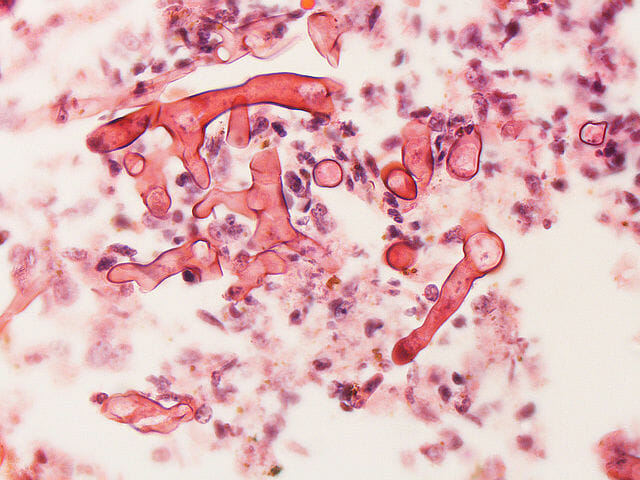
Coenocytic hyphae are nonseptate, also called aseptate, meaning they are one long cell that is not divided into compartments. The word coenocytic (coenocyte) comes from the Greek words koinós meaning ‘common’ and kýtos which means ‘box’ (cell). Coenocytic hyphae result from nuclear divisions within a cell without an accompanying division of the cytoplasm (cytokinesis). Coenocytic hyphae have several nuclei scattered around in the cytoplasm along with ribosomes, Golgi apparatus, and endoplasmic reticulum.


The lack of septa is generally seen in more primitive fungi such as those in the class Zygomycetes (now called Mucormycetes) which are the distant relatives of fungi with septate hyphae like Basidiomycetes and Ascomycetes. Coenocytic hyphae have septa, but they are only at the branching points. This prevents the entire tubular mass from being compromised if one hypha is damaged.


A 2013 study examined the DNA of a fungus with coenocytic hyphae, Rhizopus irregularis, to help understand how it and others in its phylum Glomeromycota, evolved to have a symbiotic relationship with the roots of crop plants and why it was an essential phylum for the evolution of terrestrial plants. The researchers found that Rhizopus irregularis has a low level of gene polymorphism, meaning there is a lack of genetic variation one would expect to see in a species that gives rise to highly diverged genomes. A hypothesis to explain this comes from their finding of extra genes related to mating. This could mean there were important, yet not understood reproductive differences in the evolutionary past of the organism. In addition, the study found no genes that encode for enzymes that degrade cell walls, or that are involved in toxin and thymine synthesis. Also, the researchers detected an abundance of DNA coding for secreted proteins in the symbiotic tissues that interact with the roots of crops.


Zygomycosis, mucormycosis

The image above shows coenocytic hyphae in a fungus of the class Mucormycetes.


References


  • Ahmadjian, V., Alexcopoulos, C.J. & Moore, D. (2018). Fungus. In Encyclopedia Britannica online. Retrieved from https://www.britannica.com/science/fungus

  • Coenocyte. (n.d.). In Wikipedia. Retrieved April 18, 2018 from https://en.wikipedia.org/wiki/Coenocyte

  • Tisserant, E., Malbriel, M., Kuo, A., Kohler, A., Symeonidi, A., Balestrini, R.,…Martin, F. (2013). Genome of an arbuscular mycorrhizal fungus provides insight into the oldest plant symbiosis. Proceedings of the National Academy of Sciences. 110, 20117-20122. DOI: 10.1073/pnas.1313452110


Coenocytic Hyphae