
Showing posts with label 9k. Show all posts

Sunday, July 8, 2018

Wendigo


In the depths of the forest, the wind begins to rush against the fragile tree branches. A shrieking howl can be heard. It starts as a bone chilling moan and continues to rise in both power and terror until it climaxes in blood-curdling horror. A sense of dread consumes you as you realize you are not alone in these woods, but it is too late. The wendigo has found you.

What is a Wendigo


The wendigo is a product of Algonquian folklore and is a beast that was feared by all. This terrifying creature was known to have its biggest impact during the winter months and was thought to be responsible for the manifestation of some of the darkest parts of the human spirit. It is winter, famine, gluttony, and cannibalism incarnate.


The wendigo is known for its insatiable greed and hunger for human flesh. The wendigo is often depicted as a demonic spirit that has power over winter storms and weather events. Because of this, the creature is often associated with the harsh winters of the North. It is said that an angry wendigo can cause the sky to darken and extreme weather such as harsh winter winds, tornadoes, and blizzards.
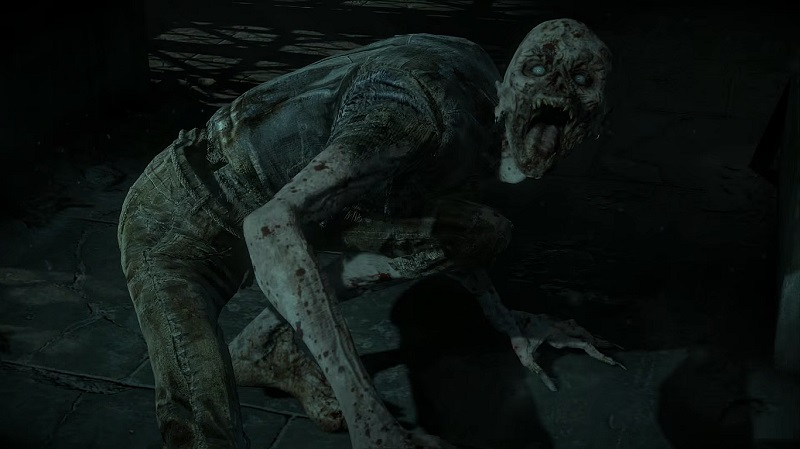

Wendigo


The wendigo is often depicted as a supernatural creature that has the ability to bring famine and harsh winter storms to bear over land. These conditions give it ideal hunting grounds and plentiful victims – both to satisfy its hunger and need to share its twisted desires.


One of the most terrifying aspects of a wendigo is its inability to be satisfied. A wendigo is always hungry and can never be filled. It takes pleasure in the hunt for prey and the act of killing, but even after devouring the entirety of a human being its hunger is not quenched. A wendigo grows with every meal it eats in proportion to the mass it has devoured. Because of this, a wendigo can never be satisfied and will always hunger for more victims.


Origins of the Wendigo


The wendigo is a demon, but some wendigos can be created from humans who have been corrupted with greed and the hunger for human flesh. These victims are often transformed into wendigos themselves (often from the touch or possession of the beast) after they give in to their carnivorous desires. With every victim these new wendigos devour, they grow proportionately in size. It is said that wendigos have the ability to grow to a size that is unfathomable by the human mind and that the sight of a wendigo who has devoured many souls is enough to make the human heart freeze in terror.


Although a wendigo is able to exist in the physical world, it is actually a spirit form. Like many spirits, the wendigo has the ability to become invisible, fly, become undetectable, or possess humans.


The wendigo is extremely selective with those that it chooses to possess. Most often, the creature will only possess people who are starving, who are gluttonous, who have had a craving for human flesh before, or who are greedy and have tendencies to display their wealth openly. Anyone who becomes possessed with a wendigo spirit will become wendigos themselves and will continue to exist as a wendigo until the spirit is exorcised or they are killed. However, as wendigos have incredible strength and are able to move with extreme strength and power, it is highly unlikely that a wendigo could be killed.


Common Wendigo Practices


The wendigo is a ruthless and savage predator. It has heightened senses that allow it to tune into every inch of its hunting grounds (which often extend for many miles on end). Its sense of sight, smell, and hearing are so impressive that it is able to track its prey and know the exact movements of its target even if it is many miles away.


Although the wendigo is always seeking to fill a deep hunger, it enjoys taking its time before a kill. It will often stalk its prey for hours on end and will reveal its presence in small ways every so often in order to make its prey fearful. A person who is being stalked by a wendigo will often feel a growing sense of dread that they are being watched or followed. The wendigo is able to sense their fear and paranoia grow with each heartbeat. This brings the malevolent spirit a sense of excitement and anticipation for the kill.


It is said that the final warning a wendigo will give before striking is to unleash a blood-curdling howl in the harsh winter winds. The warning does little to help victims – by the time they hear it, it is already too late.


Practices of a Wendigo While Hunting


Wendigo hunting


A wendigo is ruthless and enjoys terrifying its prey before making a kill. The beast is known to stalk its prey for hours on end until they become impossibly frightened. A wendigo may reveal itself to its victim with a loud shriek or scream to increase their level of terror. It is said that the creature is able to sense the fear of their victims, which only adds to their anticipation and excitement for the kill. The terror of their victims is perhaps the only form of joy a wendigo feels.


Wendigos are also very intelligent compared to other similar beasts and demons. They are hypersensitive and able to stay attuned to every inch of their hunting grounds – which can sometimes stretch for many miles. They are also intuitive about their hunting needs. If they sense that they may soon run out of a food supply they will sometimes take the entrails of their victims and put them in large pots as a backup measure. These pots are then placed at the very tops of tree branches where only the wendigo can reach. If a wendigo senses that it will be an especially harsh winter, it will sometimes take victims alive and keep them prisoner in its lair until it is ready to feed.


There is little that can be done to hide from a wendigo. In fact, many believe that hiding from a wendigo is impossible. It is said that once the creature captures the scent of its prey, it will always know where the person travels no matter how far they go.


Unlike other creatures and spirits, a home will not keep a person safe from the reach of a wendigo. There are many stories that document wendigos who have managed to unlock a home from the outside and slaughter everyone inside. In these cases, the wendigo usually proceeds to convert the home into its lair and will hibernate for months (or even years) until it is awakened by its hunger and driven to eat more human flesh.


Can a Wendigo be Overpowered or Killed?


Although a wendigo is a fearsome opponent, they are not impossible to defeat. It is said that there are several measures that can be taken to protect oneself against a wendigo. The first thing that should be done is to build a fire. According to legend, wendigos will do everything in their power to avoid fire (possibly because it is thought that their hearts are made of ice). A wendigo can be harmed by fire, but their wounds will heal quickly and they will only become more angry and obsessed with their intended victim.


It is also thought that magical amulets and charms can be used to give oneself protection. As the wendigo is a creature of pure and unbridled evil, it can be dissuaded with objects that have been charmed with protective spells.


Last, but certainly not least, a weapon made of silver is required to go up against a wendigo. It is said that silver is the only type of weapon that can seriously hurt a wendigo. A wendigo can be killed with a weapon made of pure silver if it is driven through the creature’s heart of ice. Once this has been done, the shards of the creatures heart must be placed in a silver box and buried in consecrated ground. Next, the body must be dismembered with a silver weapon, slated, and cremated. The ashes must be scattered to the four winds. Failure to properly follow this procedure will result in the resurrection of the creature and a bloody vengeance.


Physical Appearance


Physical Appearance of Wendigo


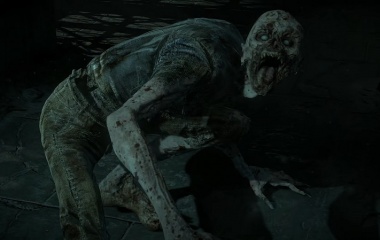
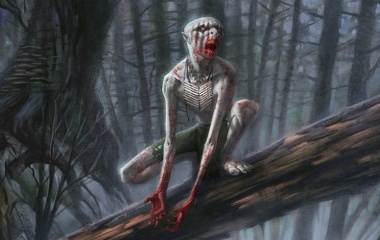
The wendigo is a fearsome beast with a gruesome appearance. The creature is often described as having long limbs and being extremely thin (almost emaciated) due to its extreme hunger. Most of these creatures are said to be without hair (likely due to their extreme malnutrition). However, in colder regions, it is reported that wendigos sometimes have snow-white hair that is often matted with blood and other gore.


The creature is said to have hands that are withered and bony. At the end of a wendigos fingers there are sharp claws that are sharp enough to tear a person apart with a single touch. Many legends report that these claws are made of ice. This is often considered to be a testament to their control over the elements – especially winter weather.


A wendigos mouth is filled with sharp, needle like teeth that are stained in a disgusting shade of yellow. They are powerful enough to tear through flesh and break apart bones without difficulty. The stench of a wendigos breath is overwhelming and filled with death and corruption. Their tongues are said to be a terrible blue and the mouth of the creature is always covered in blood. Some tales claim that the lips of the creatures mouth are missing. It is said that the wendigo eats its own lips because of its extreme hunger.


A wendigos eyes are said to be large – much larger than the average humans. Sometimes the eyes are described as glowing yellow or red. Other versions claim the eyes of a wendigo are pushed back into the skull of the creature and constantly roll back and forth in blood. The only thing that is visible to human perception is the terrible glow of the eyes that comes from deep within the sockets of the skull.


There are other versions of the wendigo that claim the beast is a decomposing humanoid with the head of a deer. Many descriptions of this version of the wendigo claim that the entrails of the creature are sometimes visible because of the extreme decomposition of the body.


Wendigo Psychosis


Wendigo psychosis is a term given to people who experience some sort of psychological break that causes them to crave human flesh even though they have access to other food supplies. After first tasting human flesh, victims of wendigo psychosis are unable to eat any food other than human flesh. They see themselves as an invincible man-eating monster that can’t be satisfied by anything but human flesh.


This illness was thought to occur when a person had been exposed to the malevolent spirit of the wendigo and was feared more than death itself. In fact, it was considered to be better to kill oneself than to succumb to cannibalistic desires and risk becoming a wendigo.


Those who chose to seek treatment were often fed large quantities of hot fat and grease in the hopes that these proteins would satisfy the victim’s cravings. If the cravings couldn’t be satisfied, the perceived wendigos were executed.


Cases of Wendigo Psychosis


Swift Runner


Swift Runner

Swift Runner


During a particularly harsh winter in 1878, a trapper in Canada named Swift Runner was facing starvation with his family. It is unclear if his eldest son died of natural causes or was sacrificed to feed the family, but we do know that the family resorted to eating the body of the son to evade starvation.


After eating his eldest son, Swift Runner became consumed with greed for human flesh and killed his wife and remaining 5 children in order to cannibalize them. When the winter was over and he was discovered for his crimes he was put on trial for killing and eating his family. When it was determined that he was only 25 miles away from the nearest supply outpost and could have avoided starvation by simply traveling to obtain more food once the weather lightened up, he was diagnosed with wendigo psychosis.


Eventually, Swift Runner confessed to having wendigo psychosis and killing and eating his family for the pleasure of devouring human flesh. He was then executed by the authorities.


Wendigo Fever


Among other powers of the wendigo, it is thought that the creature is able to cause an illness called wendigo fever. This disease is thought to be one of the ways the wendigo is able to obtain victims to eat. It is said to start with a strange and disturbing smell. The only person who can detect the foul smell is the infected person. When the victim falls asleep they will be plagued with terrible nightmares that will cause them to wake up and weep from fear. When they wake, they will begin to feel a terrible burning sensation in their legs and feet which causes them to run from their homes shrieking. All of the victims will inevitably run to the woods, shedding their clothing as they go. These victims are never seen again and are assumed to have been eaten by the wendigo.


Explanation of the Myth


The tale of the wendigo is often seen as a warning against corruption that was told to prevent people from engaging in immoral behaviors. The wendigo was also likely used to serve as a metaphor to understand terrible acts committed by other people that couldn’t be understood otherwise.


As the tale of the wendigo is associated with colder climates, it is often hypothesized that the tale was told to prevent people from engaging in the taboo act of eating human flesh. It also helped to dehumanize those who did decide to eat human flesh by giving others the explanation that they had been overcome with a wendigo spirit and were no longer human.


Wendigo

Saturday, July 7, 2018

Ghost

In the late night hours you see a swirling cloud of mist even though the quiet night has no breeze. A chill suddenly surrounds you in the humid summer air. For an instant, you could have sworn you saw the figure of a person standing in the mist, but when you look closer they’ve disappeared. Have you just encountered a ghost?


What is a Ghost?


The idea of ghosts has been around for thousands of years and is thought to pre-date modern humans. This is often evidenced by the ancestor worship of many ancient and pre-literate cultures – many of whom believed their ancestors had the power to help them from beyond the grave.


Many anthropologists believe that the early idea of ghosts was developed when it was determined that humans must have a ‘spirit’ in addition to a physical body. Ancient cultures believed this spirit form – that supposedly makes us human – is confined to our physical body during life, but could sometimes be made visible through our breath. This was often evidenced as being fact because of the way warm breath interacts with cold air. In fact, the word ‘spirit comes from the Latin word ‘spiritus’ which meant ‘breath’ or ‘blast.’
Ghosts


The word ‘ghost’, however, has a very different origin. It comes from the word ‘ghoisdo-s’ and means ‘fury’ or ‘rage.’ This is very telling of the ancient perceptions of ghosts. While ‘ghost’ is commonly used interchangeably with the word ‘spirit’, it is much more likely to be used to describe a distressed or malevolent apparition.


What Creates a Ghost?


Ghosts are thought to be the result of many causes depending on geographic location and culture. However, the most common basis for all ghost related beliefs is that when the human body dies, the spirit continues to live. Cultures with religious or spiritual roots often believe that a ghost is created when a spirit is unable to find the necessary peace to move into the afterlife or when the spirit has been corrupted by evil nature.


How to Prevent a Spirit from Becoming a Ghost


There are many things that are done to ensure that this doesn’t happen. The most common practice that is observed worldwide is to give the dead burial rites to help them move peacefully onto the next world. This is partially done because it was thought that spirits who were not properly mourned would become angry and remain in this world to haunt the living.


Some ghosts will not rest until they have haunted – or even harmed – those who wronged them during their lifetime. There are many tales of ghosts who haunted their killers until they were caught or sufficiently punished. However, there are also tales of ghosts who will haunt people who they perceive to be evil or similar to people that they hated during their lifetime. These ghosts often become the basis for urban legends that are passed down from generation to generation. They tend to be the most violent types of ghosts, but there are supposedly ways to deal with them or ensure that they will not harm you.


Despite the fact that many ghosts are believed to have a malevolent nature, there are cultures that believe ghosts can be helpful or even friendly. These ghosts are often brought back from their peaceful resting place because they sense that someone they know or are related to is in imminent danger. There are some cases in which ghosts who perished because of a dangerous place or person come back to try to deliver a warning when they sense another person may fall victim to their fate.


There are also cultures that believe the dead come back to walk among the living during a certain part of the year. They welcome the spirits of the dead, whom they perceive to be benevolent, and offer them many gifts in the hopes that they will be rewarded by the spirits of their ancestors.


Physical Appearance


It is widely believed that ghosts are made up of a wispy substance that is similar to mist. Many anthropologists believe that this comes from the beliefs of ancient cultures. Ancient cultures believed that a person consisted of a physical body and a spiritual body. The spiritual body was confined to the physical body during life, but could sometimes be seen when a person breathed in cold areas.


The mist that is caused by a person’s breath in a cold climate is very similar to our ideas of what comprises a ghost today, making many believe that this is why we believe ghosts are airy.


Ectoplasm


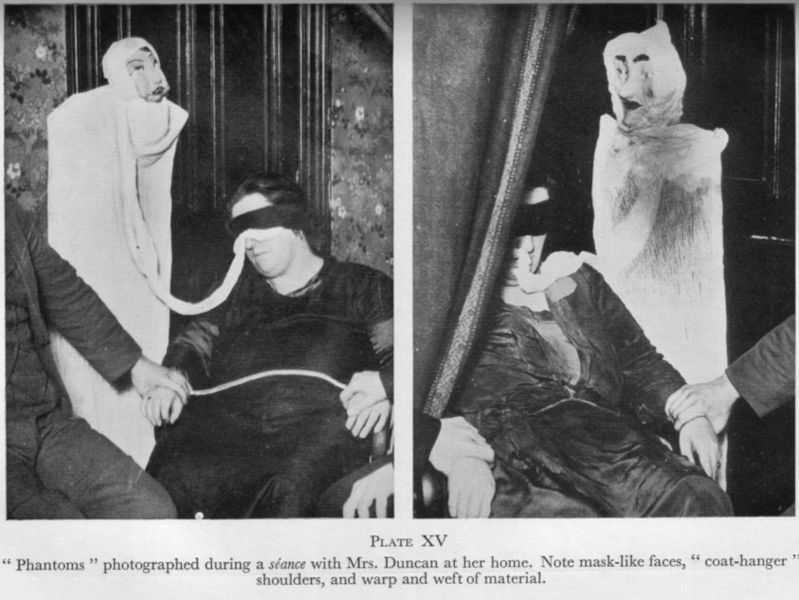
Others turn to more scientific reasoning when trying to determine the makeup of a ghost. These people often point to ectoplasm as being the source of ghost appearances. Ectoplasm is thought to be a visceral substance similar to gelatin that is somehow manufactured by both ghosts and psychics.


Ectoplasm


It is thought that ghosts appear to humans when they are able to obtain ectoplasm and drape it over their spirit form. This is thought to be the only substance that allows people to see a ghost in its true form. Psychics who speak of the existence of ectoplasm claim that ghosts are only seen at night because ectoplasm cannot properly form in well-lit locations. However, the substantial number of ghost sightings during the day as well as psychics caught trying to prove their powers through fraud have made this extremely unlikely.


When it comes to psychics who can supposedly create ectoplasm when in a trance state, there is little to no evidence to support their claims. Many scientists who observed psychics in their trance-state were able to detect elements of fraud in their séance. Those who thought that there could be traces of real ectoplasm were never able to prove the existence of such a substance conclusively. Regardless, there are many photographs and accounts of psychics who were able to create such a substance during their meditations that continue to be a source of proof for many believers today.


Outside of the substance that makes up ghosts, there aren’t many certainties. Many people who claim to have seen ghosts insist that they were either wispy and air-like or translucent. Others claim to have encounters with ghosts in such vivid detail that they are unaware of their interaction with an otherworldly spirit until the ghost suddenly disappears or they see the picture of the deceased person later on. There are also accounts of ghosts who appear as they were when they were living, while other accounts tell of ghosts who appear as they were when they died – gruesome wounds included.


Though it isn’t uncommon to hear of physical ghost sightings, it is much more likely to hear of people who encountered ghosts through hauntings. There are many telltale signs of ghost hauntings that feature a sudden cold chill in the air or the sound of chimes and bells that ring without a breeze being present. Other signs can include the sound of voices in an empty house or the sudden appearance of footsteps. The footsteps can appear in dusty areas that are prone to create impressions or can be created by the production of a substance seemingly out of thin air. One example of this can be seen in the case of a haunting where wet footprints appeared outside of a pool long after the water had been drained. Lastly, it is also common for ghosts to use familiar scents to announce their presence. People who experience this type of haunting report smells of perfumes or cigar smoke as being common scents. More extreme cases sometimes report a smoke trail in the air even though they are alone in the room and were not smoking at the time.


There are also cases of hauntings where ghosts are able to make a physical disturbance in their surroundings. These ghosts are known as poltergeists. Most cases of poltergeists are fairly tame and detail a ghost being able to turn lights on and off or knock over small objects. Other poltergeist cases are more severe and result in many damaged items as well as people being put into dangerous situations.


Reasons a Ghost May Be Unable to Move On


The personality of ghosts is largely thought to hold some clue to the reason they remain tethered to the Earth. The most common belief for why ghosts remain on Earth instead of moving on to an afterlife deals with the way in which the ghost died. Many believe that people who die violent or tragic deaths will sometimes come back to haunt those responsible or those who may put others in similar situations.


Other ghosts are more violent and seem to haunt the living based on a need for revenge. These ghosts are usually motivated by events that happened during their lifetime, though there are some cases of ghosts who look for revenge because of a tragic death.


While most ghosts are believed to be evil in nature, this isn’t the case for all ghosts. There are many recorded stories that detail a ghost coming back to deliver an important message to the living. This is sometimes done by a loved one or a distant ancestor who sense that one of their living relatives is about to face a perilous danger. There are also cases of ghosts who were killed because they ventured into a dangerous place or happened across evil people during their lifetime. These ghosts sometimes come back to the living that are about to be put into the same situation to try to warn them away from danger.


There are also cultures that believe the dead are allowed back into our world during a certain time of year. They come back to interact with the living and see their legacy. These cultures often offer their ancestors gifts during the visits in the hopes that their ancestors will grant them blessings and good fortune in return.


Types of Ghosts


Terminology: Spirits


Spirits are considered to be the energy associated with a physical body that make us human. While it is known that our physical bodies will die at some point in time, it is believed that our spirits will survive past the death of our physical bodies. Spirits are considered to be supernatural beings, though they are often limited by our physical bodies.


Residual Hauntings


Alleged haunted Great Amherst House

Alleged haunted Great Amherst House


Residual hauntings (sometimes simply called residual haunts) fall into a unique category of the ghost spectrum. It is believed that residual haunts do not actually haunt the living – rather their energy is played on a loop of some sort that is reflective of the habits of the person who created the energy.


It is thought that this type of energy is created when a person engages in repetitive habits that are built into a memory bank of sorts. When that person passes on, their energy remains and becomes a presence of its own.


Residual haunts do not have apparitions and are not really considered to be spirits. They are simply energy that is left behind from a spirit that used to inhabit the space that is now haunted. Common residual haunts include the sound of voices and laughter, hearing footsteps, or hearing crying and screaming.


Intelligent Ghosts


It is not known why intelligent ghosts haunt the areas that they do – it is only known that they seem to be aware of their surroundings in our physical world. Many pseudoscientists who try to make contact with ghosts search for intelligent apparitions to communicate with.


The personality of these apparitions varies, but most are considered to be somewhere along the spectrum of friendly to mischievous. These types of ghosts are often categorized for their attempts to make contact with the living. To do this, they often try to speak, touch living people, or move small objects to show that they are present.


Poltergeists


Poltergeists are a type of intelligent ghost, but are put into their own category for their bothersome and sometimes destructive behavior. They interact through noise and disturbance (poltergeist literally translates to noisy ghost) and often try to get the attention of the living by making loud sounds.


Some poltergeists have visible apparitions, but this is not always the case. They often move, throw, bang, or open and close objects to get the attention of humans. Sometimes they will scream loudly. It is thought that the strength of a poltergeist may grow over time – often to the dismay of the people they haunt. Poltergeists are not friendly. Some may only be mischievous, while others are more aptly categorized as being aggressive. Sometimes their aggressiveness and negativity causes them to be confused with demonic ghosts.


Poltergeists tend to appear and disappear without rhyme or reason. Many hypothesize that this is because they feed on the energies and emotions of the people they haunt.


Demonic Ghosts


Demonic ghosts are not thought to be human in nature, though they behave in a similar manner to human apparitions. The difference is that demonic ghosts are known to be much more powerful and are thought to sometimes take control of living human beings.


Demonic apparitions are usually thought to be humanoid, though some appear to be animals with humanistic qualities. They have the ability to walk, fly, and disappear into thin air. In fact, it seems that demonic apparitions have the power to do whatever they desire.


These ghosts are dangerous and evil in nature. Their existence is often recorded by the Catholic Church, and it is thought that these ghosts make up the majority of spirits that need to be exorcised from human victims.


Crisis Ghosts


Crisis ghosts are ghosts that appear on behalf of those who are dying or have recently died (though a few cases have reported crisis ghosts who appear from a living person). It is common for these types of ghosts to appear within 12 hours of death, though they can make their presence known for up to 48 hours after their death.


Crisis ghosts appear only once and have a very specific purpose in mind – to deliver one last message to their living loved ones. Often, these ghosts appear to give farewell messages to loved ones they were unable to see in person before their deaths. There are also cases of crisis ghosts who reappear to someone they loved or were close to in order to give that person a message with useful information.


In rare cases, crisis ghosts can appear on behalf of those who are not yet dead. This is normally done to ask for help and it is hypothesized that this type of crisis ghost could be made possible through some form of astral projection.


Protective Ghosts


Protective ghosts are spirits that remain on Earth or come back from the next world to protect their living loved ones. These ghosts are most commonly documented in cases where the living relative or loved one is in danger. This can sometimes be to foretell of a dangerous situation that the loved one will face, though it is more common for these ghosts to appear if their loved one is in the general vicinity of a demon or other dangerous entity.


Malevolent Ghosts


Malevolent ghosts are spirit-beings that seek to inflict harm or pain onto the living. There are a range of reasons for why a malevolent ghost wishes to harm the living, but the most common is revenge. Sometimes these ghosts experience jealousy towards the living that they wish to take out on those in the general vicinity, other times the entity wishes for the living to feel and share its sadness.


There have also been documented cases of malevolent ghosts who haunt homeowners who have invaded their space. These hauntings stop as soon as they have moved away from the premises.


Ghosts of the Dead


Ghosts of the dead are known to appear after a person has recently passed. They are usually differentiated from crisis ghosts because they appear after 48 hours have passed or they appear more than once.


These ghosts usually visit those that they knew while they were living, though there are cases of ghosts of the dead who visit people they had no connection to while living.


These ghosts are known to haunt places or people that they were deeply connected to while they were living. These cases are rare, but have been documented nonetheless.
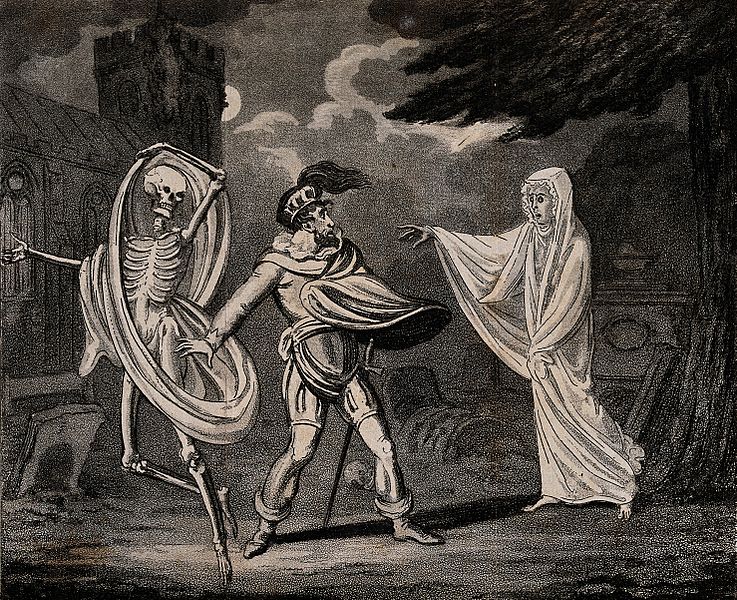
A man in armour is confronted by a ghost and a skeleton


Holidays That Celebrate Ghosts


Hallows Eve


Hallows Eve (more commonly known as Halloween) isn’t just a candy-fest that happens every October. Originally, Hallows Eve marked the end of the summer (which was called Samhain at the time) and the beginning of the dark half of the year.


It was thought that the barrier between our world and the world of spirits became weak, allowing the spirit realm to inhabit the land of the living and wreck havoc. It was thought that these spirits were capable of all kinds of destruction, though one of the most feared methods of destruction was the destroying of crops. To try to appease these spirits, bonfires would be built in order to sacrifice crops and animals.


People would also pray for the souls of the deceased – especially those who had passed recently. This was done in the hopes that those who had not yet reached heaven would be able to do so during this time.


Poor families would knock on the doors of the rich who had recently lost a relative during these festivals. The rich would give them a pastry called a soul cake in exchange for a prayer on behalf of their dead relative. The practice was called ‘souling.’


Souling eventually evolved to include more than just the offering of a pastry until it became a practice known and appreciated by millions of children worldwide: ‘trick or treating.’


All Souls Day


All Souls Day is celebrated on November 2nd and is observed out of respect for all Christians who have died. It is believed by the Roman Catholic Church that a soul which is not perfectly clean from Earthly sins and transgressions upon leaving the body after death will not be able to enter Heaven. Instead, it will be sent to Purgatory.


It is thought that prayers and sacrifices on behalf of the souls trapped in Purgatory can help to free them from this space and allow them to enter Heaven. Christians pray for their loved ones on All Souls Day in the hopes of helping them into Heaven if they have not already made it there themselves.


Obon


Obon is a traditional Buddhist festival celebrated in Japan. It is based on the belief that the spirits of the dead are able to come back to the land of the living and visit their relatives during the middle of the seventh lunar month. Most of these festivals are held from August 13th to August 16th.


Many people who celebrate Obon travel to their hometowns to ensure that they are able to welcome the spirits of all their ancestors. They welcome the spirits of the dead with a ritualistic dance and honor their ancestors with floating lanterns.


At the end of Oban, bonfires are built outside of the city. It is thought that the light from these fires helps to guide the spirits back to their world.


El Dia De Los Muertos


El Dia De Los Muertos marks the day that the dead are able to return to Earth and celebrate among the living. El Dia De Los Muertos takes place during a similar timeframe as Hallows Eve and All Souls Day (November 1st and 2nd).


During the beginning of November, it is thought in Mexico that the dead are able to return to the living world to visit their loved ones. Their surviving relatives throw large parades and celebrations in their honor and it is thought that the dead are able to enjoy the festivities with them.


It is tradition to clean the graves of deceased loved ones and adorn the plot with pictures, candles, and favorite foods and drinks of the one who is passed. The candle is thought to help guide them to and from the world of the living, while the food and drink are meant for enjoyment.


Hungry Ghost Festival


Hungry Ghost Festival is celebrated in China and is believed to be the day when ghosts are able to return to interact with the living. During this time, food is left on alters to appease hungry spirits that may be haunting the streets during the festivals.


It is also tradition for paper sacrifices to be made on behalf of the dead. These paper sacrifices often include things like fake money, cars, and other precious items. It is thought that when these things were burned, they would provide for their ancestors in the afterlife.


It is also common for people to stay indoors during the nighttime hours. Many believe that going outside at night during the Hungry Ghost Festival could cause a ghost to haunt their family.


Pchum Ben


Pchum Ben is celebrated in Cambodia and is considered to be the time that ghosts are able to come back to the living world in order to atone for sins in their past lives. These spirits are considered to be hungry and it is common for people to leave food and drink offerings to help ease the burden of the otherworldly suffering of these ghosts.


The festival lasts for 15 days, during which time everyone wears white – the official color of mourning in Cambodia.


Famous Ghosts


The Flying Dutchman


The Flying Dutchman

The Flying Dutchman is supposedly a 17th century merchant ship that is cursed to haunt the seas because of the foolish actions of its Captain. During a terrible storm, the crew members and passengers aboard the ship begged the Captain to try to find refuge on the shore. The Captain refused and decided to challenged God himself to sink the ship. No one on the ship was ever seen alive again, though the ghost ship has been sighted numerous times since it’s final voyage. Anyone who sees the ship on high seas is said to be cursed with bad luck.


Bloody Mary


Bloody Mary is the ghost of a woman who killed all of her children for no apparent reason. Her ghost can be summoned by standing in front of a mirror in a dark room and saying her name three times.


Ann Boleyn


The ghost of Ann Boleyn is one of the most famous ghosts in history – especially in Great Britain. Ann Boleyn had the misfortune on being one of Henry VIII’s many wives. When he became dissatisfied with her, he demanded that she be executed by beheading in the Tower of London.


Since her execution, Ann’s ghost has been seen haunting the Tower of London many times. In one instance, she appeared to a guard who demanded that she stop only to be faced by her apparition. He was shocked to find that the figure (who he thought was an intruder) had no head. He shoved his bayonet at the figure and was shocked with an electrical pulse that rendered him unconscious.


Originally, it was believed that the guard created the story to escape court martial for falling asleep on his watch. Later on, however, when he was put on trial, the guard was found not guilty when several witnesses corroborated his story.


Explanation of the Myth


The most popular explanation for ghosts is that they are fiction created to comfort the living. Because many religions and cultures believe in an afterlife, it follows that there is an essence or spirit inside living humans that will continue after death.


Stories of ghosts may have originated as comfort for the living that their loved ones were at peace or as a warning to stay away from certain places or behaviors.


The existence or inexistence of ghosts may be impossible to prove, but their place in folklore across the world cannot be denied.


Ghost

Thursday, September 7, 2017

Eyes

Eyes Definition


Eyes are animal organs that are specialized for sight. These may be as simple as proteins or cells which can tell light from darkness – like the “eyes” found in many microorganisms – or they may be complex assemblies of lenses, filters, light-sensitive tissues, nerves, and support structures.


Most animals, including humans, have complex and highly specialized visual systems. Different animals have found several different ways to gather light and use it to accomplish complex visual processing.


Mammals, for example, have a single lens and retina which gather light and turn that light into information that the brain can read; insects, on the other hand, have “compound eyes” which use many separate lenses to gather light and put together a mosaic-like view of the world.


Here, we will focus on the details of the human eye.


Eye Parts and Functions


The eye has many parts which work together to accomplish vision, and to keep the structures required for vision safe from infection and injury. These parts include:


The Conjunctiva


The surface of the eye and of the inner eyelids is covered by a clear, protective membrane called the “conjunctiva.”


This is where the word “conjunctivitis” – the scientific name for “pink eye” – comes from. Conjunctivitis means simply “inflammation of the conjunctiva.”


The conjunctiva is lubricated by several substances produced by the body to keep the eye in good working order. These substances, which include mucuous, oils, and a watery solution, prevent the eye from drying out and protect it from surface irritants.


The Sclera


The sclera is also known as the “white of the eye.” It is – as you may have guessed – the white part of the eye that surrounds the iris and pupil.


The sclera does not collect visual data itself. Instead it acts as a tough, protective membrane for the eyeball. Only the outer part of the sclera is white; the interior of the membrane is brown, and wraps around the clear inner chambers of the eye which allow light to pass through.


The Cornea


Light starts its journey into the eye by passing through the cornea. This layer of transparent tissue sits on top of the iris and pupil. It helps to focus light to produce a clear image on the retina, and acts as an additional protective layer for the eye.


Although the cornea looks curved, it is usually actually a flat sheet of uniform thickness. The rounded bulge is the anterior chamber, which will be discussed next.


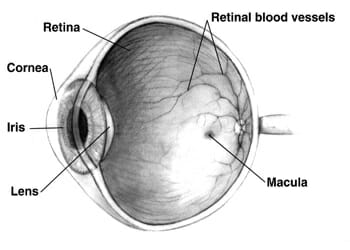
The cornea can be seen in this diagram:


Human eye cross-sectional view


When you use contact lenses, these lenses essentially augment or re-shape your cornea to focus light properly. Some people also undergo laser surgery to change the shape of the cornea so that it will focus light better.


Because it is such a valuable part of the eye, the body wants to know when the cornea has been injured! For that reason it has many nerve fibers running through it, and may hurt a lot of it is scratched, irritated, dried out, or infected.


Because the cornea has almost no blood vessels in it – these would get in the way of light passing through – it can take a long time to heal from injury, and can have a difficult time fighting infection.


For that reason, people who suspect they may have an eye injury or infection should see a doctor right away. Eye injuries and infections can permanently damage vision if they are not treated properly.


Anterior Chamber


The anterior chamber of the eye refers to a small pocket of fluid that lies between the cornea and the iris. This fluid is “aqueous humor” a watery solution that helps the cornea and pupil to focus light.


Just like focusing light through a glass of water or a solid transparent lens, the aqueous humor helps the eye to form an image by refracting light at a constant rate.


The aqueous humor is made from blood plasma, using a special filtering process that removes proteins and other impurities that may cloud vision.


Posterior Chamber


The posterior chamber refers to the aqueous fluid-filled chamber behind the iris and pupil. The posterior chamber sits between the iris and the lens, which completes the job of focusing light.


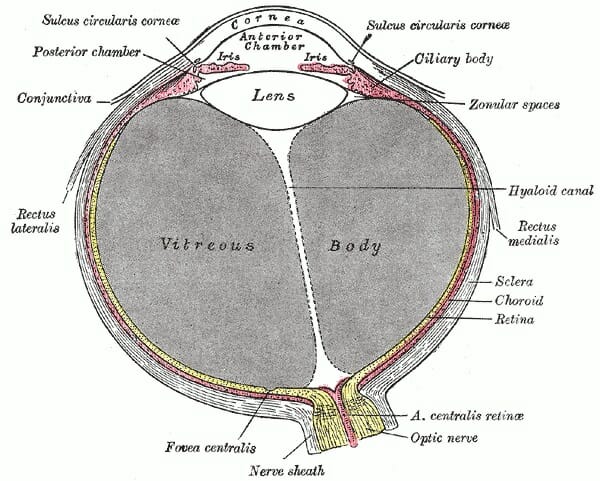
It can be seen here:


Conjunctiva


Glaucoma – a condition which leads to gradually impaired eyesight, and eventually blindness if untreated – occurs when aqueous fluid cannot drain properly from the anterior and posterior chambers.


When aqueous humor is unable to drain, the fluid’s pressure builds until permanent damage is caused to parts of the eye essential for vision.


Iris


The iris is the colored ring around the pupil. Different people have different amounts of pigment in their iris, resulting in eye colors ranging from blacks to very pale blues and greens.


Interestingly, there is actually no blue or green pigment produced by the human eye. All human eyes have brown pigment melanin, the same pigment that is found in our skin. But those with very small amounts of melanin reflect a lot of light, which is scattered as it reaches the surface of the eye.


Light that is scattered through a transparent substance tends to appear blue, because more red and green wavelengths are absorbed by the apparently transparent medium, while blue light tends to scatter and reflect. This scattering of blue light is the same reason that the sky is blue, that water in swimming pools looks blue, and the same reason that your veins look blue under your skin even though they are actually dark red.


Green eyes occur when someone with a very small amount of pigment in their iris – producing a blue color through scattering – also produces a yellow pigment that mixes with the blue color.


The iris has a sphincter muscle, which allows it to expand or contract, making the pupil larger or smaller. This is important for controlling the amount of light our eyes receive. If you ever have your pupils artificially dilated by an eye doctor, you’ll notice that having an overly-dilated pupil causes blurred vision, and can make bright lights painful.


Pupil


The pupil is the opening to the inner chamber of the eye. Pupils appear black because light passes through them and does not return. The pupil, then, is our actual “window to the world.”


Once it has passed through the pupil, light is focused by the lens. It then travels through the rest of the eyeball to the retina, which lies at the back of the eye. The retina turns the light into signals our brain can understand.


Lens


The lens of the eye lies immediately behind the pupil. Some people think that the lens of the eye is found on the outside, where the cornea is – perhaps because of the use of the word “contact lenses.” But the lens that performs the final focusing of light is found inside the eye, behind the pupil.


The lens is a complex structure. It is made of an elastic capsule containing proteins and water, which refract light at a constant rate just like the lenses used in glasses. It has layers of soft tissue surrounding a firm “nucleus.”


The softness of its outer layers allow the lens to change shape when pushed or pulled by the surrounding ciliary muscles, making it an “adjustable” lens that can change the way it focuses light depending on how close or far away an object is.


Many people’s lenses lose the ability to change shape around the age of 50. This is why many older people need reading glasses in order to focus light to read small print.


Vitreous Humor


The vitreous humor is a thick, gelatinous fluid that fills most of the eyeball. Like the aqueous humor, it refracts light at a constant rate – but unlike the aqueous humor, it is thick and jelly-like.


The jelly-like thickness of the vitreous humor helps the eye to retain its round shape. The precise maintenance of this shape is essential for vision, because light is focused by the cornea and lens with the intent of hitting the retina a set distance away. If the retina moves closer or further to the lens due to changes in eye shape, the light will not be properly focused when it reaches the retina.


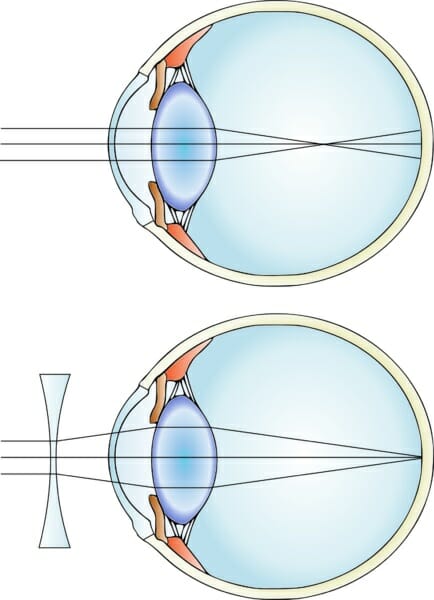
Eyes that have “elongated” or “squashed” shapes are the causes of nearsightedness and farsightedness. Nearsighted eyes are elongated, causing light to focus on a point in front of the retina instead of on the retina itself. Likewise, farsighted eyes are too short, causing light to focus on a point behind the retina.


Glasses correct for nearsightedness or far sightedness by adjusting the focus of light before it enters the eye, so that light is properly focused when it hits the retina.


The focus point of light in a nearsighted eye, along with a nearsighted eye with a corrective lens, can be seen below:


Myopia color

Myopia color


Retina


The retina is a light-sensitive layer of tissue that covers the back of the inner eyeball. It contains light-sensitive cells which can determine light, dark, and color to assemble images of the world. The retina then converts that color information into neural information and sends it to the brain for processing.


The retina contains two major types of light receptors: cone cells, and rod cells.


Cone cells allow us to see color. There are three types of cone cells (or more, in some people with rare mutations). Each type of cone cell responds to a certain wavelength – or color – of light.


S-type cone cells respond to short wavelengths of light, and allow us to see the colors blue and violet. M-type cone cells respond to medium wavelengths, and allow us to see the color green. L-type cone cells respond to long wavelengths of visible light – the red and orange wavelengths.


The color yellow is produced by the activation of both green M-type cone cells and red L-type cone cells. The color pink is produced by the activation of both blue S-type cone cells, and red L-type cone cells. The color white occurs when all cone cells are activated equally, indicating an object that is reflects all wavelengths in the visual spectrum.


Colorblindness occurs when a mutation prevents one or more types of cone cells from working properly. Often, these cone cells do respond to light – but not at the normal wavelength. This can lead to gaps in color perception.


Colorblindness can sometimes be treated using special glasses that filter out wavelengths of color which may confuse mutant cone cells, causing different colors to look the same. While wearing these glasses, many people with colorblindness report seeing all colors clearly and vibrantly.


Because cone cells only respond to a portion of the visual spectrum, they do not work well in low-light conditions. We see in the dark using rod cells, which cannot distinguish color, but which are more sensitive to overall light levels.


Rod cells respond to all wavelengths of visible light. They can tell us how much light is coming at us – but not what wavelength it is. That’s why we don’t see color in the dark; we are getting all of our information from cone cells, which cannot distinguish between different colors.


The retina can only extract information from the light that hits it. This means that in order for the retina to see a clear image of the world, the light that hits it must have been properly focused by the other parts of the eye. As discussed above, failure to focus light properly can lead to blurry vision and other impairments.


Optic Nerve


The optic nerve is a bundle of neural fibers that travel from the retina to the brain. Each optic nerve encodes the image data recorded by the retina in the form of neural signals that can be read by the brain.


The brain then reads the data and performs complex processing, including looking for associations with known objects. This is how we’re able to identify faces and other objects in our environment.


Interestingly, although the eyes are at the front of the head, the brain’s processing of visual signals occurs at the “occipital lobe” in the back of the head.


This means that the optic nerve must travel back into the brain, and then through special channels all the way through it. In the process, the optic nerves “cross over” – meaning that the left side of the occipital lobe interprets visual data from the right eye, and vice versa.


The “crossing over” point can be seen in this image from a brain scan, which has been artificially colored to show the path taken by the optic nerve. Note the red “X” that is formed where the optic nerves cross over each other behind the eyes:


Optic nerve optic tract optic radiation


Damage to the optic nerve or visual processing areas of the brain can result in permanent blindness, even if the eye itself is fine. Conversely, people with intact optic nerves can sometime be allowed to “see” by visual prostheses that stimulate the optic nerve, even if the rest of the eye is missing or nonfunctional.


It is hoped that as technology advances, our ability to artificially stimulate the optic nerve will continue to advance so that people with damaged eyes can have near-normal vision.


The Irreducible Complexity Argument


The complexity of the human eye has often been singled out as evidence for “irreducible complexity.”


The idea of irreducible complexity holds that some structures found in nature could not have evolved through mutation and natural selection, because they would not have functioned at all if even one piece were missing. Proponents of irreducible complexity have asked how the eye could have evolved through random mutation, since slight changes to its structure or the removal of any of its parts would render the eye useless.


However, in recent years new insight into the evolution of eyes has been discovered, which suggests a natural way in which all the structures of the eye could have come about through random mutation.


The historical tendency for things “science can’t explain” to later be explained by new discoveries has led many scientists who are also religious to warn against use of the “irreducible complexity” argument.


In his book “The Language of God,” geneticist Francis Collins warns readers that citing “things science can’t explain” as evidence of God creates a “God of the gaps” idea, in which the existence of God is seen to rely on the existence of things science can’t explain. As these “gaps” in scientific understanding continue to shrink, Francis argues, so to will the importance of a “God of the gaps.”


As a result, Collins argues that it’s better for science and religion alike to see the two fields as compatible, than to have a religious view that requires science to fail in order to work. Himself a devout believer in God, Collins has urged his fellow religious people to embrace scientific theories and see these as a means to learn more about God rather than as challenges to dogmatic ideas about God.


Quiz


1. Which of the following is NOT true of eyes?
A. All eyes must have, at minimum, a lens, a retina, and an optic nerve.
B. All eyes must contain cells or proteins that are responsive to light.
C. Almost all animals have some sort of eyes.
D. None of the above.

Answer to Question #1

2. Which of the following is a gel-like substance that helps the eye keep its shape?
A. Aqueous humor
B. The conjunctiva
C. Vitreous humor
D. None of the above

Answer to Question #2

3. Which of the following is NOT true of the cornea?
A. It has almost no direct blood supply, so it is vulnerable to injury and infection.
B. It has almost no nerves, so it is hard to tell when it is injured or infected.
C. It is a clear, flat membrane of uniform width.
D. None of the above.

Answer to Question #3

References


  • Land, M. (1992). The Evolution Of Eyes. Annual Review of Neuroscience, 15(1), 1-29. doi:10.1146/annurev.neuro.15.1.1

  • Montag, E. D. (n.d.). Parts of the Eye. Retrieved August 10, 2017, from https://www.cis.rit.edu/people/faculty/montag/vandplite/pages/chap_8/ch8p3.html

  • Liz Segre; eye illustration by Stephen Bagi. (n.d.). Human Eye Anatomy – Parts of the Eye Explained. Retrieved August 10, 2017, from http://www.allaboutvision.com/resources/anatomy.htm

  • The New Encyclopaedia Britannica. (1987). Chicago: Encyclopaedia Britannica.


Eyes

Tuesday, August 15, 2017

Euphoria

Euphoria Definition


Euphoria refers to an affective state characterized by feelings of intense pleasure, happiness, contentment, and excitement. A state of euphoria can be naturally induced (e.g., in response to exercise, social activities, romance/sexual response, and artistic endeavours), chemically induced (e.g., recreational drug use), or the result of a neurological condition (e.g., mania).


Types of Euphoria


There are several types of euphoria, each induced by different mechanisms and involve various neurological pathways. Such types of euphoria are described in greater detail below:


Exercise-Induced Euphoria


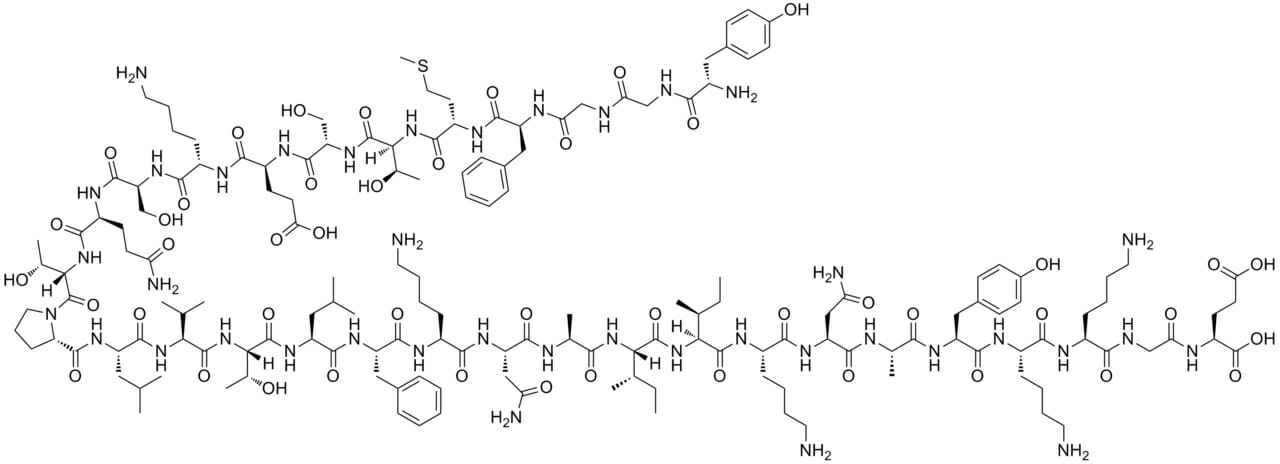
Euphoria can be induced by prolonged aerobic exercise, often referred to as a “runner’s high”. Exercise induces euphoria through the dopamine pathway through the synthesis of -endorphin (molecule pictured below), anandamide, and phenethylamine. As such, exercise in the form of running, cycling, and other aerobic activities is recommended as an adjunct treatment for addiction, neurodegenerative disorders (e.g., Parkinson’s and Alzheimer’s), and major depressive disorder. Studies have shown that the euphoric properties of exercise can aid in the recovery of drug addictions, function as an antidepressant, as well as improve overall cognition and brain health.


Beta-endorphin


Drug-Induced Euphoria


Several common recreational drugs exhibit addictive properties due to the reward response they induce in the brain. Some of the most common drugs that induce a state of euphoria include, stimulants (e.g., amphetamine, methamphetamine, and cocaine), depressants (e.g., alcohol, barbiturates, and benzodiazepines), cannabinoids (e.g., THC in cannabis), gases (e.g., nitrous oxide), and opioids (e.g., heroine, fentanyl, codeine, morphine, and oxycodone). Some of these drugs directly induce the dopamine response (i.e., reward response), while others engage the opioid receptors (responsible for the management of stress, pain, appetite, emotion, and attachment behaviors.


Neuropsychiatric Euphoria


There are several neuropsychiatric conditions which also induce a state of euphoria in affected individuals. Such disorders include, bipolar disorder, epilepsy, and migraine headaches. In individuals with bipolar disorder (and some other conditions), euphoria is associated with periods of mania, which involve rapid speech, delusions of grandeur, and increased flight of ideas. In some individuals with epilepsy or affected by migraine headaches, euphoria may be associated with the onset or after the resolution of symptoms. Although the precise mechanisms remain unknown, a euphoric state associated with these conditions is thought to be attributed to the disrupted brain chemistry that occurs during the progression of either a migraine headache or epilepsy.


Quiz


1. Which of the following is NOT associated with the induction of euphoria?
A. Exercise
B. Cocaine
C. Bipolar disorder
D. Major depressive disorder

Answer to Question #1

2. Which of the following statements is TRUE regarding euphoria:
A. Listening to music can induce euphoria.
B. Sexual stimulation can induce euphoria.
C. Euphoria can be associated with migraine headaches.
D. Euphoria is associated with the reward/pleasure response in the brain.
E. All of the above.

Answer to Question #2

References


  • Barbanti P, Fofi L, Aurilia C, and Egeo G. (2013). Dopaminergic symptoms in migraine. Neurol Sci. 34 Suppl 1:S67-70.

  • Bearn J and O’Brien M. (2015). “Addicted to Euphoria”: The History, Clinical Presentation, and Management of Party Drug Misuse. Int Rev Neurobiol.120:205-33.

  • Grossman et al. (1984). The role of opioid peptides in the hormonal responses to acute exercise in man. Clin Sci (Lond). 67(5):483-91.

  • Harber VJ and Sutton JR. (1984). Endorphins and exercise. Sports Medicine. 1(2):154-71.

  • Henry JL. (1982). Circulating opioids: possible physiological roles in central nervous function. Neurosci Biobehav Rev. 6(3):229-45.

  • Koukopoulos A and Ghaemi SN. (2009). The primacy of mania: a reconsideration of mood disorders. Eur Psychiatry. 24(2):125-34.

  • Landtblom AM, Lindehammar H, Karlsson H, and Craig AD. (2011). Insular cortex activation in a patient with “sensed presence”/ecstatic seizures. Epilepsy Behav. 20(4):714-8.

  • Mellion MB. (1985). Exercise therapy for anxiety and depression. 2. What are the specific considerations for clinical application? Postgrad Med. 77(3):91-3, 95, 98.


Euphoria