Showing posts with label 3k. Show all posts

Monday, May 21, 2018

Moss

What is a Moss


Moss is a type of non-vascular plant, classified in the division Bryophyta in the kingdom Plantae. Moss, while typically associated with dark, damp environments, has actually adapted to occupy many drier, sunny regions. There are over 12,000 species of moss recognized, which span 8 classes and 23 different genera.


Examples of Moss


Bryopsida
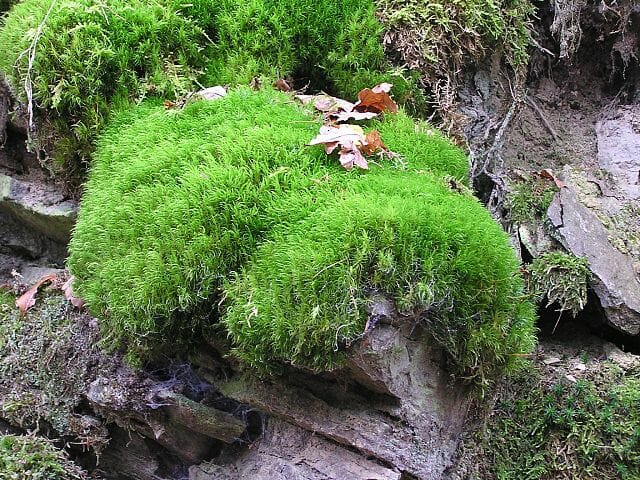

Dicranum scoparium


The Bryopsida, the largest class of mosses, contains most of the recognized species. A typical species can be seen above. In this image the gametophyte form is seen, as the sporophytes have not developed. Moss in the class Bryopsida can be found all over the world and grows on nearly any available surface, from concrete to bare fields, given the right conditions. In all, there are over 11,500 species of moss in the class. Before genetic and anatomical evidence suggested the division of more classes, all species of moss were found within this class.


Andreaeobryopsida


The moss found in the class Andreaeobryopsida represents only a couple species. These moss species are endemic to only a few parts of Alaska and Western Canada. These moss plants have developed a unique tolerance to the climate in this region. This, plus differences in their genetics and the development of their spore capsules, led scientists to remove them from the Bryopsida and into their own unique class. Many of the other types of mosses have been divided into their own classes, eight in total. However, the large majority are still classified as Bryopsida.


Types of Moss


While there are not necessarily different types of moss, there are currently 8 recognized classes, which are distinguished by their genetics, anatomy, and physiology. Importantly, scientists look at their reproduction habits and structures to help identify and categorize the various moss groups. The eight different classes are listed below:


  • Takakiopsida

  • Sphagnopsida

  • Andreaeopsida

  • Andreaeobryopsida

  • Oedipodiopsida

  • Polytrichopsida

  • Tetraphidopsida

  • Bryopsida


As an example, the Sphagnopsida class holds the genus Sphagnum, which has important industrial uses. This moss, known for creating thick sheets of moss over large areas, can be commercially harvested as peat. The moss can be identified by the way it grows, which is in large flat sheets. Further, Sphagnum moss species have a unique way of spreading their spores. Instead of mildly cracking open the case surrounding the spores and letting them fall out, the moss in this class use a more explosive strategy. By compressing air in the chamber, pressure builds. The cells of the sporophyte continue this process until the operculum holding the spores back ruptures. This shoots the spores into the air, like a “party-popper” or overfilled balloon. This greatly increases the area the spores can reach and is unique to the class.


Life Cycle of Mosses


Like all plants, moss species show an alternation of generations, in which two different classes of individuals carry out separate parts of the reproductive process. In a system like this, one organism, the sporophyte, is a diploid organism which creates haploid spores through the process of meiosis. In the picture below, the tall stems with small structures at the top are the sporophyte.
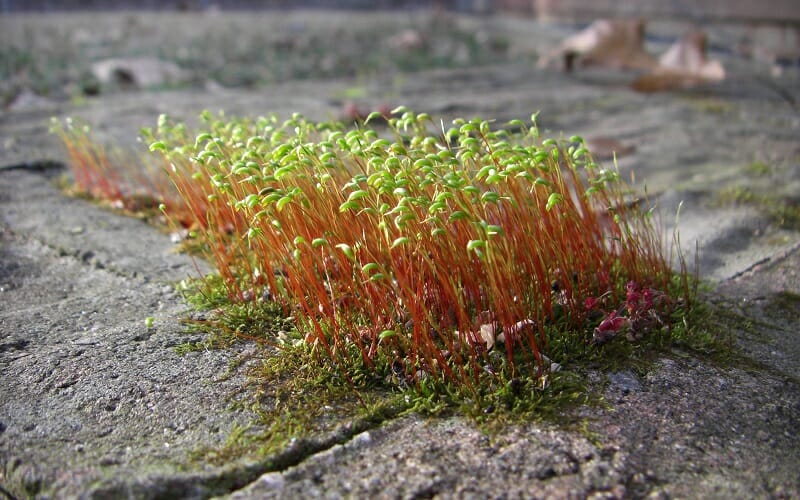

Winter moss


However, after the sporophyte generation has released the spores, it dies off. The spores find a place to settle, and develop into a haploid organism, the gametophyte. This is the dominant structure of moss, what you typically see if the moss is not reproducing. This can be seen in the image at the base of the sporophyte, much shorter and seemingly a different species. The gametophyte is responsible for producing gametes, which are capable of fusing together. Look at the image below, of moss reproduction.
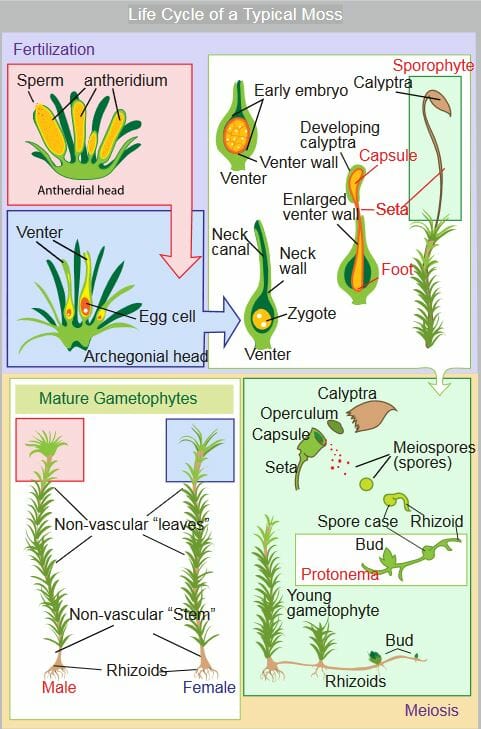

Life cycle of a typical Moss


In the top left of the image, fertilization is occurring. Sperm and eggs, gametes, are produced in special organs of the gametophyte. The sperm are released into the environment, and travel to the archegonial head, which houses the egg. Once the sperm fertilizes the egg, the zygote is formed. The zygote will develop into the sporophyte, which actually grows out of the gametophyte. The sporophyte, again a diploid organism after the fusion of two haploid gametes, is responsible for undergoing meiosis, and starting the process over again.


Further, many moss species have the ability to reproduce asexually using bundles of cells called gemmae. These cells, produced on the gametophyte, fall off when exposed to running water. This allows them to be carried to a new location, where an entire new plant can be established. If you have ever seen moss growing below a drip of water, this is likely the route in which it got there. Sexual reproduction takes a lot of energy, and is generally good for diversifying the genetic pool. Asexual reproduction is much faster, and can happen every time it rains.


Within this life cycle, some moss species have the same sex represented on one gametophyte, while others have different gametophytes for different sexes. This is another way in which moss species can be distinguished and identified against each other.


Commercial Uses of Moss


The main commercial use of moss is as peat, a renewable fuel source. As the moss grows, it pushes down old moss and creates dense mats of biofuel. The peat can be burnt in a fire or stove, as it has been for centuries in many different countries. Peat moss can also be used as a fertilizer and growing medium for various commercially important plants and mushrooms. Even Scottish whiskey famously uses peat fires to smoke the malt, giving the whiskey a distinct flavor.


Moss is also becoming a more important and widespread landscaping plant. Several cultures, like the Japanese, have used moss for centuries as a way to decorate an outdoor space. Like a grass turf lawn, it is comfortable, pleasingly green, and easy to maintain. In more extreme uses, it can even be used as a base for a green roof, a new conservation technique aimed at reducing the urban heat effect.


In the past, moss has even had uses in the medical and consumer fields. Moss, when dried, is extremely absorbent. Even more absorbent than cotton. This lead to the use of moss in bandages for wounded soldiers. Some even claimed that the moss had antibacterial properties, which helped wounds heal. Further, moss has been used as a diaper alternative product in several countries. Moss, which is completely biodegradable, is said to outperform many plastic and cotton products used today.


Quiz


1. If moss can reproduce asexually, what is the benefit of reproducing sexually?
A. It uses less energy
B. It takes less time
C. It recombines and diversifies the gene’s an organism can use

Answer to Question #1

2. You identify a new form of plant. It is small, with tiny leaves that resemble moss. You take a closer look at the stem under the microscope. There are small bundles of vascular tissue, clearly distinguished from the rest. You determine that this new species is:
A. A moss
B. Not a moss
C. Impossible to tell

Answer to Question #2

3. A small insect, the springtail, is attracted to moss, and may be responsible for pollinating the moss plants. If an insecticide is developed which targets theses insects, how could the energy industry be affected?
A. It cannot be affected by an insect
B. The moss making peat could die, affecting energy consumers
C. The moss would reproduce more, making energy cheaper

Answer to Question #3

References


  • Hartwell, L. H., Hood, L., Goldberg, M. L., Reynolds, A. E., & Silver, L. M. (2011). Genetics: From Genes to Genomes. Boston: McGraw Hill.

  • McMahon, M. J., Kofranek, A. M., & Rubatzky, V. E. (2011). Plant Science: Growth, Development, and Utilization of Cultivated Plants (5th ed.). Boston: Prentince Hall.

  • Rubinstein, C. V., Gerrienne, P., de la Puente, G., Astini, R. A., & Steemans, P. (2010). Early Middle Ordovician evidence for land plants in Argentina (eastern Gondwana). New Phytologist, 188(2).


Moss

Fauna

Fauna Definition


Fauna is a term which refers to all of the animal life within a specified region, time period, or both. The “flora and fauna” of a certain place is a descriptor of all the life in a region, including both the plant-like organisms and the animal-like organisms. However, while this was once used as a scientific term, advances in science and our understanding of the relationships between organisms has forced science to adopt the more descriptive systems of taxonomy and cladistics to describe the relationships between organisms.


History of Fauna


Fauna was first used as a biological term by naturalist Carl Linnaeus, as a term which described the animals of a region, as opposed to the plants. Plant life was dubbed flora. Thus, the flora and fauna of a region or time describe all of the life within. Linnaeus seems to have borrowed the term from Greek and Roman mythology.


In Greek mythology, the god Pan is the goat-legged offspring of a more powerful god and a wood nymph. This leads him to become the representative god of the wild. Roman mythology adopted this persona in the gods Faunus and Fauna, which gave rise to a number of man-creatures which populated the mythology. Linnaeus adopted the word for his formal work on the animals of Sweden Fauna Suecica, in 1745. Roughly translated, this means the “wildlife of Sweden”.


Following his lead, naturalists began to use the terms flora and fauna to identify the various living organisms in a taxonomic hierarchy. Flora included everything in the kingdom Plantae, while fauna included the kingdom Animalia. The definition of fauna has expanded and changed over the years. For instance, when genotyping became a reality and it was understood that there are actually 3 domains of life, the Archaea, Bacteria, and the Eukarya.


With this change came the formal phasing out of the word fauna, scientifically. While the word flora had maintained its definition as “any organism within the kingdom Plantae”, fauna had changed drastically. Fauna, as used currently, typically describes any organisms in the domains Archaea and Bacteria, plus the kingdom Animalia. This is not a monophyletic grouping, and as such does not accurately describe anything for scientists trying to organize the forms of life in a place or time. Further, flora and fauna tend to exclude the kingdom Fungi, which was once recognized as a plant but is now recognized as its own kingdom.


Examples of Fauna


Fauna of the Great Plains, 2018


If you were to conduct a survey, today, of all the fauna in the Great Plains of the United States, you would find a great many species. You would find many species of birds, from pheasants to eagles. You would find mammals, from the tiny field mouse to the mighty bison. Most other groups, from the reptiles to the worms, would also be represented. You would surely find an abundance of insects. On the microscopic level, the soil and waters are teeming with fauna. Even waters too acidic or hot for the normal fauna can host thermophilic or acidophilic bacteria and other organisms, evolved to deal with the harsh conditions. In essence, if you take the entirety of life on the Great Plains today, subtract all the plants, you have a representation of the fauna. This is obviously a large and intangible collection of many different inter-related species.


Fauna of the Great Plains, 100 Million Years Ago


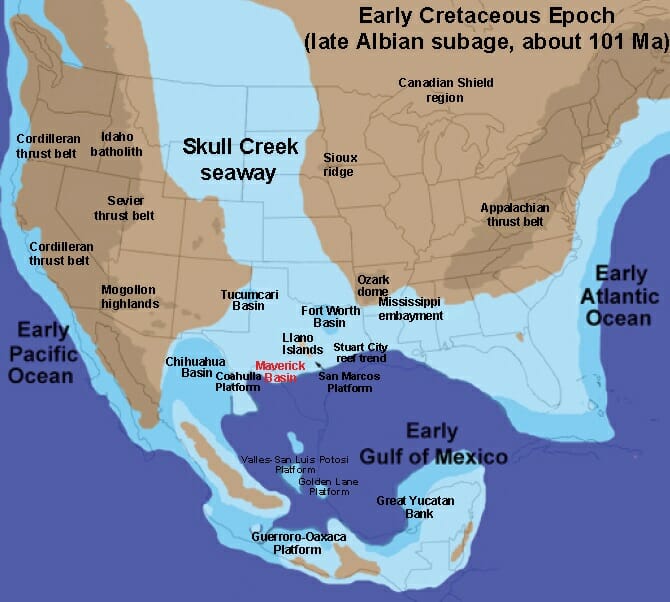
If we could take ourselves back in time, the fauna of the Great Plains would look much different. Although we would remain in the same place, the environment would be very different. At that time, glaciers had melted to a low, and a vast inland sea had spread across the continental United States. The Great Plains was almost entirely covered by a vast inland sea, as seen in the image below.


Skull Creek Seaway


In this inland sea would have existed a variety of monsters, from the first modern sharks, to giant marine reptiles like Ichthyosaur and Plesiosaur. Modern bony fishes were evolving, as well as a variety of other marine organism. In this vast sea, you could have found everything from early starfish, to horseshoe crabs, to all sorts of evolving arthropods. Other fauna of the historical Great Plains would include the microscopic diatoms and zooplankton and algae, which would have been the base of the food-chain at the time. As the glaciers reformed, the land was colonized by the terrestrial organisms we know today. You can see how the fauna of a region can easily change over time.


Gut Fauna


A popular term these days is “gut fauna”, or in other words, the creatures living inside of your digestive tract. Humans, like almost all other animals, have a complex symbiotic relationship with the organism harbored within them. While there are barriers in place to keep these organisms from infecting the body, they are essential to digesting many types of food. Technically speaking, the fauna in the gut is referred to as the microbiome, because it is its own unique ecosystem. There are many species of bacteria and eukaryotes which take part in digestion, and each fills a unique niche in the ecosystem. While scientists have yet to fully understand the microbiome of the digestive system, there are many diets and probiotics on the market which claim to positively affect the fauna of the microbiome. These claims have yet to be confirmed by mainstream science.


Quiz


1. Which of the following would NOT be considered fauna?
A. Palm tree
B. Crocodile
C. Jellyfish

Answer to Question #1

2. Why is the term “flora and fauna” no longer used in science?
A. It is still used by many scientists
B. There are more accurate terms for describing relationships between species
C. The terms are accurate, they simply fell out of fashion

Answer to Question #2

3. If someone were to refer to “The Fauna of Europe”, with no other context, which of the following would most accurately represent that statement?
A. A the living animals in Europe
B. All members of the kingdom Animalia, within Europe, throughout history
C. Any organism NOT in the kingdom Plantae, found within the bounds of modern day Europe, through time

Answer to Question #3

References


  • Brusca, R. C., & Brusca, G. J. (2003). Invertebrates. Sunderland, MA: Sinauer Associates, Inc.

  • Darwin, C., & Wallace, A. (1980). On the Tendency of Species to Form Varieties; and on the Perpetuation of Varieties and Species by Natural Means of Selection. In P. H. Barrett (Ed.), The Collected Papers of Charles Darwin (Vol. 2, pp. 3-18). Chicago: The University of Chicago Press.

  • Helfman, G. S., Collette, B. B., Facey, D. E., & Bowen, B. W. (2009). The Diversity of Fishes: Biology, Evolution, and Ecology. Oxford: Wiley-Blackwell.


Fauna

Monday, April 23, 2018

Antibody

Antibody Definition


An antibody is a specialized defense protein synthesized by the vertebrate immune system. These small structures are actually made of 4 different protein units. The ends of the molecule are variable, and can be adapted to bind to any molecule. The shape is determined by the antigens in the system which are causing damage. Special immune cells detect these antigens and create a reciprocal antibody. This generalized structure is repeated many times, to flood the system with antibodies. These proteins bind to and surround the antigens, preventing further spread or infection.


It is in this way that an organism can identify “self” from “non-self”. For instance, the surface of bacterial cells has certain proteins and carbohydrates, which can be identified by the immune system. B lymphocytes, a special immune cell, create and release antibodies which attack the invading bacteria. An antibody attached to a bacteria not only prevents it from completing normal processes, but helps direct white blood cells to eat the bacteria. These macrophages, as they are known, identify food based on the tail end of the antibody.


In the blood, antibodies account for around 20% of the total protein. This is a very significant amount. Although a single antibody can be very small, an organisms must have many antibodies to fight the many types of antigens present in the system. Further, many of each type is needed. It often takes many antibody molecules to target and identify a large bacteria. Viruses, while they are smaller, are much more abundant and need equal amounts of antibody to quell.


While other organisms often have immune systems based on similar concepts, the term antibody and the structure described below are unique to mammals. An antibody may also be referred to as immunoglobulin, a term which describes a protein used in an immune function. The most common antibody is Immunoglobulin G (IgG) in mammals. Antibodies, if they exist, are not well understood in invertebrates and plants. While it is known that these organisms also have immune systems, it is not entirely clear how they function.


Antibody Structure


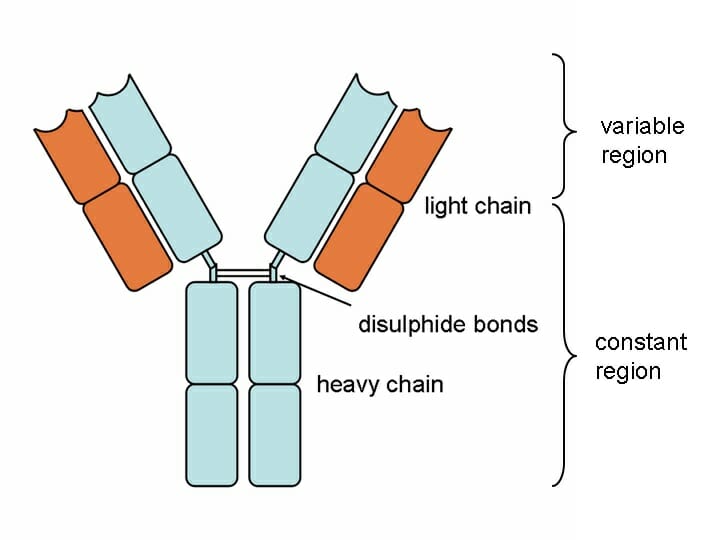
Antibody structure


Above is a typical antibody. Notice that the structure is actually made of 4 different protein chains. There are two heavy chains and two light chains. The two heavy chains are connected by a disulfide bond, which exists between two sulfide atoms present in the amino acids of each chain. The light chains attach to the sides of the heavy chain, through a series of non-covalent bonds and weak interactions.


Each chain is broken into two regions, the constant region and the variable region. The constant region is produced directly from the DNA, and is the same on all antibody molecules of the same type. The variable region is the part of the antibody which changes according to the antigen present. The B lymphocytes are in charge of a complex process which matches the variable region to the antigen, and then mass produces the correct antibody.


It is the variable region that has a binding site, capable of binding to the antigen. The binding site is specific in that it is designed to attach only to the intended antigen. It does this by being as compatible to the antigen as possible. If the antigen is hydrophobic, so is the binding site. If the antigen is negatively charged, the binding site will optimally be positively charged to help bind the antigen. Further, the entire shape of the antibody head is specifically formed to the shape of the antigen. This ensures that the antibody will be specific to the antigen. The constant region of the antibody can come in a number of forms, and can be assembled into larger complexes with different shapes.


Antibody Action in Autoimmune Disease


In some cases, the antigen is so close to a molecule produced the organism that the immune system ends up attacking itself. This is known as an autoimmune disease. The immune system, upon being presented with an antigen, forms a defense. In these cases, the antigen is usually a protein. The protein is similar to a protein produced by the organism. While the antibody forming system can be very specific, it cannot accurately identify two molecules which have the same shape. Thus, even if the molecules are actually “self” it can end up attacking them.


Autoimmune diseases can be caused by a number of conditions. Some include viruses, such as HIV, which make the immune system target itself. Still other autoimmune diseases, such as certain forms of diabetes, can be caused by the immune system attacking the pancreas, an insulin-secreting organ. Some research has been done which may link this autoimmune reaction to the proteins found in animal products. While plant proteins have evolved on a completely different trajectory, humans and farm animals share many of the same genes. This means that they produce many of the same proteins. If these proteins leak into the body without being broken down, they could be identified as an antigen.


Upon seeing this antigen, the immune system will create an antibody, to contain it. These antibodies will be mass produced, and sent all over the body to attack any protein of the same shape. This can cause a serious problem for your body. Let’s say you just had a hot dog. All parts of a pig and cow are used to create hot dogs. Needless to say, you will likely get proteins which originated in the animal’s pancreas, cartilage, or other organs. Because their proteins are so similar to yours, your body will begin to have an immune reaction in places these proteins are present. This could be a major cause of diseases like diabetes, arthritis, and possibly even conditions like Multiple Sclerosis.


Antibody Use in Analytical Techniques


An antibody can be a very useful tool in the laboratory, as well. Because an antibody is so specific, and binds tightly in certain conditions, antibodies are used in a number of applications used to filter a solute from a solution. In column chromatography, they are used to bind to solute molecules passing by. As the solution is drained off, the antibody retains the solute. A different solution, with a different pH, can be washed over the antibody media, and the antibody will change shape and release the solute.


Another common use of an antibody in the laboratory is to detect certain substances. An antibody is attached to another protein, used to create a visible molecule. When the antibody is in the presence of the antigen, the antibody changes shape and activates the enzyme. This action creates visible molecules, and can be detected either visually or through a computer. This allows scientist to detect very small samples for a substance, relatively cheaply. This can be used to diagnose disease, test products, and test the safety of consumer products.


Quiz


1. A scientist has an antibody specific to guanine, an amino acid. He puts the antibody in a column, and pours in a mixture of guanine, taurine, and adenine. The solution is drained off into Beaker 1. A new acidic solution is placed in the column. The acid changes the shape of the antibody. The solution is drained off into Beaker 2. Where is the guanine?
A. Beaker 1
B. Beaker 2
C. In the Column

Answer to Question #1

2. In some autoimmune diseases, sometimes a treatment includes destroying parts of the immune system. How can this help?
A. With the cells destroyed, no antibodies can be produced
B. This cannot be helpful
C. With no immune system, the body cannot be overwhelmed by bacteria

Answer to Question #2

3. When scientists first learned about bacteria and germs, sterilization was the resounding call. Why is this method being rethought?
A. The immune system needs practice
B. An antibody cannot form without severe disease
C. Producing less antibodies makes you healthier

Answer to Question #3

References


  • Campbell, T. C., & Campbell, T. M. (2006). The China Study. Dallas: Benbella Books.

  • Nelson, D. L., & Cox, M. M. (2008). Principles of Biochemistry. New York: W.H. Freeman and Company.

  • Pough, F. H., Janis, C. M., & Heiser, J. B. (2009). Vertebrate Life. Boston: Pearson Benjamin Cummings.

  • Widmaier, E. P., Raff, H., & Strang, K. T. (2008). Vander’s Human Physiology: The Mechanisms of Body Function (11th ed.). Boston: McGraw-Hill Higher Education.


Antibody

Sunday, April 8, 2018

Chromatography

Chromatography Definition


Chromatography is a method of separating the constituents of a solution, based on one or more of its chemical properties. This could be charge, polarity, or a combination of these traits and pH balance. In essence, the solution is passed through a medium which will hinder the movement of some particles more than others. This draws the different molecules apart as they travel through the medium. Oftentimes, different dyes are used to represent the different parts, or fractions of the media.


There are many different types of chromatography, used in a variety of circumstances. While the following is not a definitive list, it is a good overview of the different types and uses of chromatography. As each is discussed, try to picture how it conforms to the broad definition of chromatography. The exact procedures may vary, depending on the circumstance, but all chromatography is centered on moving a solution through a media which slows certain molecules more than others.


Electrophoresis is similar to chromatography, in that a solution is moved through a media. However, in electrophoresis the DNA sample of multiple DNA fragments is dyed the same color. As it travels along the gel, propelled by the electric current, visible bands are seen which represent different sized segments of DNA. In chromatography, many more substances can be tested. The media can be changed, to better retain or expel certain substances, or the solution holding the substance can be altered to improve the separation.


What is Chromatography Used For?


Chromatography is used in many industries, for many purposes. In general, it is used to separate a desired substance from a solution. This could be a specific amino acid from a sample containing many, or a desired chemical from an unknown sample. Chromatography was originally named as it was used to sort plant pigments, which come in many different colors. The pigments sorted when places on a chromatography paper and a solvent allowed to travel with the pigments across the paper. The paper, made of cellulose and having a slightly negative charge, attracts polar substances. This allows the non-polar pigments to travel further, separating from the more polar pigments.


These techniques have expanded to many different industries, the basic principles remaining the same. Upon knowing the characteristics of the desired substance, a medium and solvent can be obtain which will interact with the substance and remove it from the solution. Using a solution with a different pH, or a different composition, the desired substance can then be washed off the media, and collected.


These principles are used to isolate and analyze enzymes, pigments, amino acids, constituents of DNA, and almost any other molecule you can imagine. All molecules have specific interaction with other molecules, and a chromatography experiment can be designed to retrieve almost any molecule from a seemingly homogenous solution.


How Does Chromatography Work?


The core of chromatography lies in the fact that the molecules being separated can move through the media at different speeds. This may be because they have a certain affinity towards the media, or simple because the media is sized to only allow certain molecules through. In some forms of chromatography, the media has such a strong affinity for the desired substance that it binds it as the original solution is poured over, and another solution containing a substance to displace the bound molecules must be introduced.


The affinity for the media could be from a number of properties. Some are designed to attract polar substances, and repel nonpolar substances as in the original chromatography experiment. However, the media could also be designed to hold onto specific ions, or could even be created with antibodies which identify and retain specific proteins. The possibilities of chromatography are nearly endless, but the basic principle of separating molecules by passing them through a selective filter remains the same.


Types of Chromatography


Column Chromatography


Column chromatography is a popular form of the technique, which relies on a solution filled column, filled with a media which will in some way inhibit the movement of particular molecules. As the solution is drained from the bottom, different fractions are obtained as the solution comes out. These fractions will contain different compositions of molecules, determined by how fast the molecules could travel through the column. In basic column chromatography, silicon beads or other negatively charged media are used as a simple way to sort molecules by charge and polarity.


There are several variations of column chromatography, which differ in their media and solvent. They are used to separate different substances from solution. For instance, if the media within the column is meant for ion-exchange chromatography, it will be somehow charged. As a solution passes over it, ions will attract to the media and be drawn from solution. A different solution can then be washed over the media, which will have a higher affinity for the media and displace the ions. They can be washed away and collected, purifying them from the original solution.


Planar Chromatography


Planar chromatography, which includes both the paper and thin-layer methods, depends on a solution moving through a media due to the forces of adhesion and cohesion. If you’ve ever seen a napkin soak up a mess, you’ve seen these forces. As the dry gaps in the material are filled, the solution crawls its way up the napkin. In the same way, planar chromatography uses these forces to pull molecules through a media.


In the same way that gravity forces the solution over the media in column chromatography, adhesion and cohesion pull the solution through the media. In this case, the media is very thin. In paper chromatography, the paper is usually cellulose-based, which is slightly negative. This makes the sorting of polar and nonpolar substances very easy. In thin-layer chromatography, the layer can be made of any substance which has an affinity for the target substance. Solution is allowed to pass through or over it, and the substance is acquired from the solution.


Paper and thin-layer chromatography have been used to sort and identify pigments, amino acids, and many different kinds of organic molecules. Because it is so simple to set up a paper chromatography experiment, this is one of the first laboratory techniques presented in science courses.


Other Forms of Chromatography


Besides these common methods of the technique, there are many more. One, which is used in the more advanced sciences and in criminal forensics is gas chromatography. In gas chromatography, the substance to be sorted is vaporized, and passed through another gas containing various elements. Much like the other forms of chromatography, it is the affinity for particular molecules in the media which causes the separation of the solution.


Still other methods couple chromatography directly with mass spectrometry, a method of identifying the chemical and structural properties of molecules. This is a powerful method which can both separate and identify individual components of a complex solution. The machinery to do this is expensive and sensitive, but necessary for many scientific and forensic applications.


Quiz


1. You are trying to identify an unknown substance dissolved in a sample of pond water. What is the first step?
A. Use chromatography to remove the substance
B. Identify the substance using mass spectrometry
C. Hypothesize the nature of the substance

Answer to Question #1

2. A scientist places some mushed up plants at the base of a strip of cellulose-based media. He places this strip in a solvent, and the solvent travels up the strip. Which form of chromatography does this represent?
A. Gas
B. Column
C. Planar

Answer to Question #2

3. Which of the following represents a chromatography?
A. An artist allows multiple pigments to separate as they diffuse through the paper
B. A watermelon, being naturally red in the middle and green on the exterior
C. Two dyes are mixed together, allowing new colors to be created

Answer to Question #3

References


  • Bruice, P. Y. (2011). Organic Chemistry (6th ed.). Boston: Prentice Hall.

  • Moore, J. T. (2010). Chemistry Essentials for Dummies. Indianapolis: Wiley Publishing, Inc.

  • Nelson, D. L., & Cox, M. M. (2008). Principles of Biochemistry. New York: W.H. Freeman and Company.


Chromatography

Tuesday, February 27, 2018

Apoplexy

Apoplexy Definition and Explanation


Apoplexy is a term used to describe internal bleeding and the accompanying symptoms. Historically, the term originated in the medical profession to describe the phenomenon of patients becoming suddenly weak and becoming unconscious. It was not well understood why an apoplexy would occur until the mid to late 1800s. Patients could have been bleeding from an internal organ or from vessels in their brain, and the diagnosis was still apoplexy. The symptoms include everything from dizziness, confusion, weakness, and loss of consciousness. Eventually it was understood that an apoplexy arises from internal bleeding, and can happen in a wide variety of organs and tissues.


Once this was understood the term was eventually phased out, and replaced by more specific terms which describe exactly where the bleeding is occurring. An ovarian apoplexy, for example, is weakness and unconsciousness caused by bleeding in the ovaries. A cerebral apoplexy can now be more accurately described based on advanced imaging of the brain. An brain aneurysm, or a balloon-like enlargement of blood vessels in the brain, may cause apoplexy if it leaks blood, ruptures completely, or even puts pressure on other vessels and parts of the brain. Thus, doctors now prefer to not refer to simply an apoplexy, but describe the actual organ and vessel losing blood and causing the patient to lose consciousness.


It should also be noted that apoplexy has also been used to describe frustration, in a metaphorical manner. Historically, it was assumed that tension on the arteries caused apoplexy. Thus, people associated it with being overly frustrated and stressed out. We now understand that diet and exercise are more responsible for clogged arteries. It is unlikely that a healthy person can simply become frustrated enough to start bleeding internally.


Quiz


1. Why is the term apoplexy slightly ambiguous?
A. It does not describe where the bleeding is occurring
B. It has been used it the past to metaphorically describe frustration
C. Both of the above

Answer to Question #1

References


  • Black, J. R. (1875). Apoplexy. Popular Science Monthly(6), 705-709.

  • Dictionary.com. (2018, 2 15). Apoplexy. Retrieved from DIctionary.com: http://www.dictionary.com/browse/apoplexy


Apoplexy

Saturday, February 24, 2018

Carrion

Carrion Definition and Explanation


Carrion is dead animal matter, which may also be actively decaying. Any animal which dies leaves a carcass, or the remains of their body. This material is eaten by scavengers, and is further reduced to small pieces of organic material known as detritus. Carrion serves as a major source of food for many carnivores and omnivores.


Both vertebrates and invertebrates utilize carrion as a source of food, particularly protein. All carnivores and omnivores eat carrion, but to different extents. Using comparative anatomy, scientists can study the teeth and digestive tract of an organism to understand if it eats a lot of carrion. Felines and animals like ferrets are obligate carnivores, and prefer live prey. Their teeth and digestive tract reflect this. Their canines are long, sharp, and much larger than their other teeth. This is for incapacitating live prey with a bite to the neck or throat. They also have very sharp teeth used for slicing and swallowing whole chunks of meat. Meat is easy to digest, and as such these organisms have shortened digestive tracts.


On the other hand, omnivores like dogs and bears that feed on a lot of carrion have distinct changes to their dentition. These animals have molars in the back of their jaw, which help to grind and separate tough tissues like bone and cartilage. They also have sharp teeth and large canines, but not to the extent that the felines do. If you look at the colon of a carrion eater, you will see it is usually relatively longer than that of an obligate carnivore, as these animals must be able to process every scrap of food they can find. A similar case can be found in birds. Birds which eat carrion have sharp beaks and talons to tear bite-size chucks from a carcass. Many fish and aquatic animals specialize on carrion, such as the lamprey, hagfish, and piranha.


Besides the carnivorous vertebrates, there are a number of invertebrates that specialize on carrion. Crabs, for example, provide an essential service of breaking down carrion and spreading the nutrients around. Many worms, insects and other small invertebrates also help with the breakdown of a large carcass. The reproductive lifecycle of many of these insects includes a larval stage (such as a maggot) which feeds on carrion. At a certain point, when the pieces of carrion are so small that only the smallest organisms like ants, worms, and bacteria can feed on them, they are known as detritus. Detritus is further broken down by these tiny organisms (detritivores) into organic nutrients, which can then be absorbed by plants and used to build new tissue. Thus the cycle of life continues.


References


  • Brusca, R. C., & Brusca, G. J. (2003). Invertebrates. Sunderland, MA: Sinauer Associates, Inc.

  • Feldhamer, G. A., Drickamer, L. C., Vessey, S. H., Merritt, J. F., & Krajewski, C. (2007). Mammology: Adaptation, Diversity, Ecology (3rd ed.). Baltimore: The Johns Hopkins University Press.


Carrion

Prone Position

Prone Position Definition


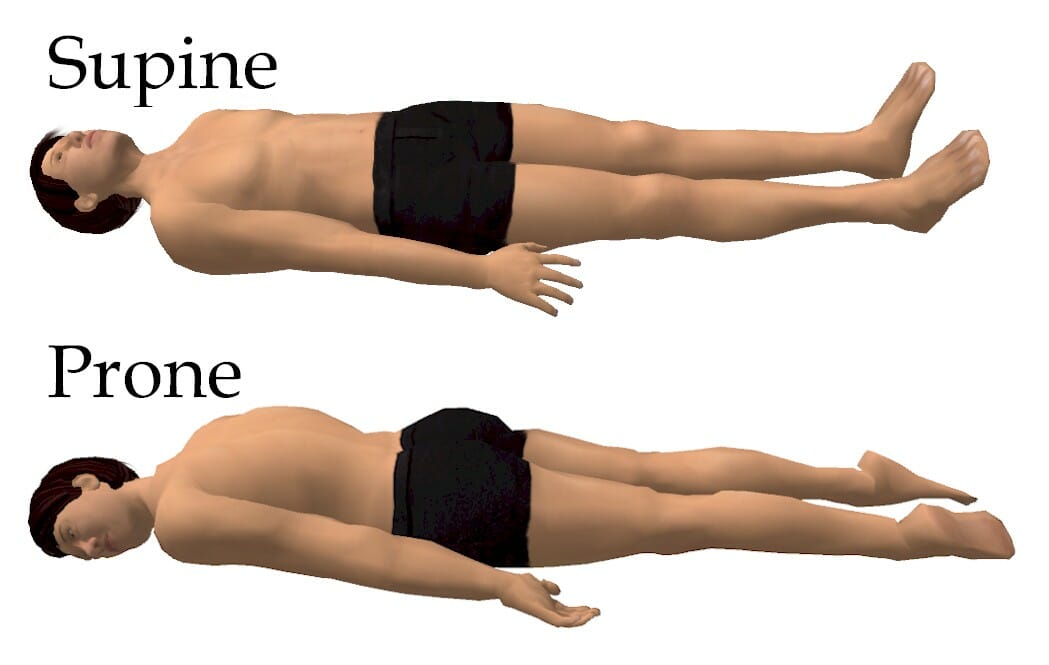
The prone position is an anatomical term used to describe an organism with its ventral side against the ground. For a human and similar animals, this means laying on their stomach. It also means that the limbs are not extended, and that the organism is not standing or sitting. This can be seen in the following image. In the image, you can also see the supine position, which is similar to prone, except that the organism is on its back or dorsal side.


Supine and prone


Uses of Prone Position


The prone position has many uses across different industries. In the medical field, the position is used to preform many different procedures. Amongst these are surgeries to the back, therapeutic massage, and various biopsies spots for different tissues. This position gives access to many tissues, including the spine, kidneys, lungs, muscles, and many others. Still other professionals will have their patients lie prone for therapies like acupuncture, various allergy tests, and a wide variety of other reasons.


However, it is not only the medical field which employs the prone position. It is also used widely in various exercise programs, as a starting point and resting position. Yoga, for instance, uses it before going to various poses which stretch and strengthen the back. Other types of stretching and muscle building also require the use of the position. The military, police force, and shooting sports enthusiasts use the prone position to create stability and increase their accuracy. The increased number of contact points with the body and the ground increase the stability of a shooter.


Lastly, behavioral scientists can observe animals in the prone position and draw different conclusions about their behavior and health. Not all animals use the prone position in the same way. A cat in the prone position could either mean it is stalking prey, or relaxing. The position of the legs determine which of these is true. A stalking cat in the prone position will still have its legs tucked under it, ready to pounce. Some animals never use the prone position, and indications of their health can be quickly made if seen in this position. A bat, for instance, would never find itself in the prone position unless it has fallen to the ground. This would indicate that the bat underwent trauma, is sick, or is debilitated in some other way.


References


  • De luliis, G., & Pulera, D. (2007). The Dissection of Vertebrates. Amsterdam: Academic Press.

  • Nakos, G., Batistatou, A., Galiatsou, E., Konstanti, E., Koulouras, V., Kanavarous, P., . . . Bai, M. (2006). Lung and ‘end organ’ injury due to mechanical ventilation in animals: comparison between the prone and supine positions. Critical Care, 10(1), R38.


Prone Position

Sunday, February 11, 2018

Copepod

Copepod Definition


The term copepod is used to describe small crustacean species that are found in the majority of aquatic environments. Copepods can be found in both the upper waters and bottom of oceans and freshwater bodies, as well as swamps, bogs, ponds, and other wet habitats. Copepods constitute an important zooplankton species.


Copepod Lifecycle


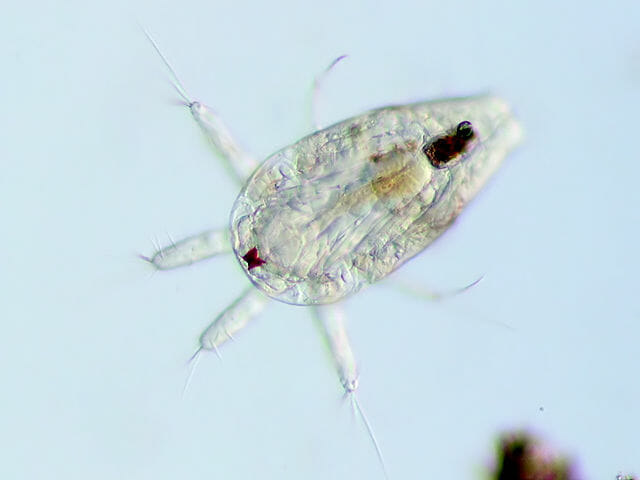
The copepod lifecycle is similar to that of other crustaceans. The lifecycle begins with an egg that hatches into a larval form that contains a head and tail without a defined abdominal region, known as the nauplius (shown below). After several rounds of molting, the larva achieves adulthood. Adult reproduction is dictated by seasonal cues and the relative abundance of nutrients. Moreover, the presence of environmental toxins and water quality have also been found to alter copepod reproduction and development.


Nauplius


Copepod Characteristics


The following are several common copepod characteristics:


  • Copepod size varies from 2 mm to 1 cm in length.

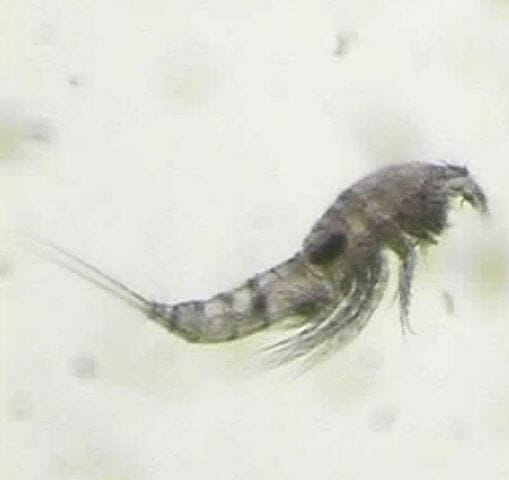
  • The body of copepods is teardrop-shaped, contains a thin, almost transparent exoskeleton, and two pair of antennae (shown below).

  • Copepods lack a circulatory system and gills. Instead, oxygen is absorbed directly via the skin.

  • Waste products are excreted via specialized maxillary glands.

  • The copepod body consists of several segments: 5-7 thoracic segments, upon which the head and limbs attach and an abdomen, which is devoid of limbs but can form a tail-like structure. The shape and size of the body is highly variable depending on the specific species.

  • Most copepods contain one centrally-located compound eye; however, some species lack an eye.

  • Specialized thoracic appendages called maxillipeds are used for feeding.


Harpacticoid copepod


What Do Copepods Eat?


Copepods residing near the surface of large water bodies typically consume phytoplankton or other copepod species. Species residing on the ocean floor or other similar habitats have specialized mouth parts that are capable of scraping organic waste products and associated bacteria for consumption. Other copepods are parasitic species and will derive nutrients from a host (shown below). Some copepods feed on insect larvae and are being tested for their ability to control mosquito populations in regions affected by mosquito-transmitted diseases (e.g., dengue).


Sea trout


Quiz


1. A nauplius is:
A. A singular red eye found on copepods.
B. A specialized eating appendage.
C. The larval form of a copepod.
D. A type of parasitic copepod.

Answer to Question #1

2. Which of the following statements is NOT true about copepods?
A. Many copepods consume phytoplankton.
B. Copepods are generally small but are highly variable in size.
C. Copepods lack both a defined circulatory and respiratory system.
D. Copepods live in a wide range of habitats from swamps to arid deserts.

Answer to Question #2

References


  • Andreadis et al. (2018). Amblyospora khaliulini (Microsporidia: Amblyosporidae): Investigations on its life cycle and ecology in Aedes communis (Diptera: Culicidae) and Acanthocyclops vernalis (Copepoda: Cyclopidae) with redescription of the species. J Invertebr Pathol.151:113-125.

  • Atkinson, A. (1998). Life cycle strategies of epipelagic copepods in the Southern Ocean. Journal of Marine Systems.15; 289-311.

  • Groner et al. (2016). Lessons from sea louse and salmon epidemiology. Philos Trans R Soc Lond B Biol Sci. 5;371.

  • Harrison, JF. (2015). Handling and Use of Oxygen by Pancrustaceans: Conserved Patterns and the Evolution of Respiratory Structures. Intergr Comp Biol. 55(5):802-15.

  • Yen, J. (2000). Life in transition: balancing inertial and viscous forces by planktonic copepods. Biol Bull. 198(2):213-24.


Copepod

Germination

Germination Definition


Germination refers to the process by which an organism grows from a seed or a spore. The most common forms of germination include a seed sprouting to form a seedling and the formation of a sporeling from a spore. Thus, germination occurs primarily in plant and fungal species.


Germination Process


The process of germination is as follows:


  1. Environmental conditions are favorable: For germination to occur, the environmental conditions must be favorable in order to support the growing plant. The soil depth, amount of water, and temperature are all critical conditions that must be met in order for the process of germination to be initiated. Typically, the soil conditions must be moist and warm.

  2. Water imbibition: When environmental conditions are optimal, germination is initiated by a process termed water imbibition. The seed absorbs water through a structure called a micropyle, which induces swelling of the seed until it splits open.

  3. Root and Shoot formation: Once the seed has ruptured, the radicle (primary root) and plumule (shoot) can emerge from the seed. This process is initiated by specific enzymes that become activated when the seed is exposed to water. The roots grow downwards, and the shoot grows upwards towards the soil surface.

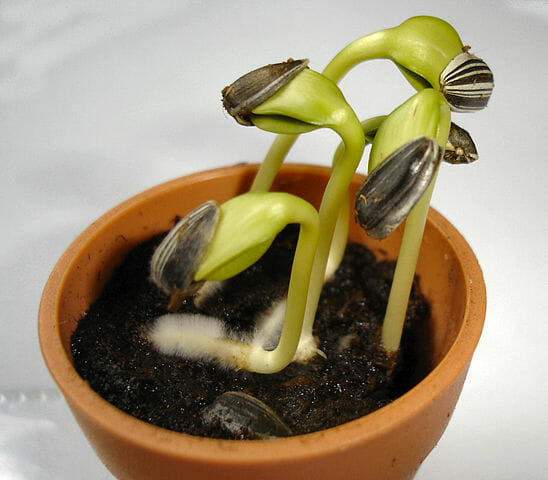
  4. A seedling is formed: Once the shoot emerges from the soil surface, the cotyledons become fully unfolded and expand, eventually forming the first leaves. Once this occurs, the plant is ready to initiate photosynthesis and is considered a seedling (shown below).

Sunflower seedlings


Germination Temperature


Among other conditions, the temperature is critical for germination to occur. Although the temperature will affect the plant’s growth rate and metabolism, most plants will germinate over a wide temperature range (e.g., 16 to 24 degrees Celsius). Depending on the specific climate, some plants will only germinate when conditions are cool, while others require warm temperatures. Moreover, there are several plant species that require temperatures to fluctuate between cold and warm in order to break dormancy and facilitate germination. For example, some seeds require exposure to cold winter temperatures (e.g., 4 to -5 degrees Celsius) prior to germination, while other require extreme heat (e.g., forest fires) to crack the seed in order to initiate germination. It is thought that it is a mechanism by which optimal growth conditions can be anticipated. For example, some seeds absorb water during the fall, which causes the seed to erupt during the cold winter temperatures. Once the soil warms again, the sprout and roots will emerge, forming a seedling just as the amount of water and sunlight increase during the spring and summer months.


Quiz


1. Which of the following is NOT a condition required for germination?
A. Temperature
B. Water
C. Sunlight
D. All of the above

Answer to Question #1

2. Which of the following statements is TRUE regarding water imbibition?
A. Water imbibition is not required for germination.
B. Water imbibition is required for the seed to rupture.
C. Water imbibition refers to the expulsion of water from the seed.
D. None of the above responses are true.

Answer to Question #2

References


  • Bushart, T and Roux, S. (2007). Conserved Features of Germination and Polarized Cell Growth: A Few Insights from a Pollen–Fern Spore Comparison. Annals of Botany. 99(1):9–17.

  • Finch-Savage, WE and Footitt, S. (2017). Seed dormancy cycling and the regulation of dormancy mechanisms to time germination in variable field environments. J Exp Bot. 68(4):843-856.

  • Penfield, S andn MacGregor, DR. (2017). Effects of environmental variation during seed production on seed dormancy and germination. J Exp Bot. 68(4):819-825.


Germination

Tuesday, January 23, 2018

Histology

Histology Definition


Histology is the study of the microscopic anatomy (microanatomy) of cells and tissues. Every cell of tissue type is unique, based on the many functions an organism carries out. Histology uses advanced imaging techniques to analyze and identify the tissues and structures present. Both light microscopy and specialized systems such as electron microscopy are used to visualize the tiny structures present in specially prepared tissue samples. The histology of different tissues can be used to identify unknown tissues, provide clues to the function of tissue or cells, or even identify disease in the cells of an organism.


Basic Procedures in Histology


Most scientists use the procedures developed by histology during the course of their studies. While histology is an enormously broad field, each researcher typically understands the basic histology of the organism they are working on. A botanist might not understand the human kidney, but plant tissues would be relatively familiar. The practices of histology have extended to nearly every field in science because of how useful they are in preparing and visualizing tissues.


Starting with simple observations using light microscopy, histology has evolved hundreds of different techniques and procedures for staining and observing cells. The most basic form, a simple stain, is achieved by allowing a specialized staining material to wash over cells on a slide. The stains are formulated so that they only stick to certain parts of a cell, such as the DNA. When the stain is washed away with water, only the DNA or other targeted material remains stained. This allows for better and more advanced viewing of different processes. It was in this way that the process of mitosis was first understood.


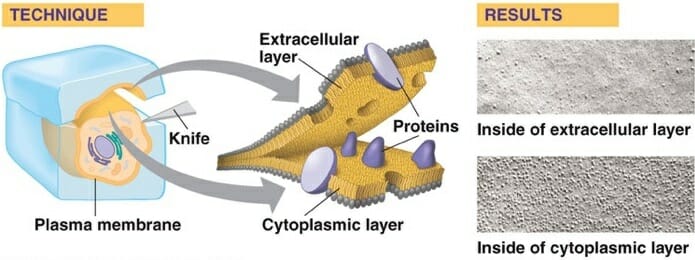
Another technique, sectioning, is used in many fields to identify the internal components of cells. Often used in conjunction with staining, this technique involves fixing a cell in a solid material so that sections of it can be cut off. At the simplest level, this can be done with an extremely sharp knife and an onion cell, but most applications require more precision. Methods have been invented of replacing the cytoplasm with plastic epoxy, then cutting through the hardened plastic. This method preserves the integrity of the internal components of the cell. Similarly, cells can be frozen and then fractured apart. This also reveals the internal components of the cell without damaging them.


Freeze Fracture


These methods, in conjunction with new electron microscopy methods, have led to significant advances in histology and imaging in general. The above image shows the results of the freeze fracture technique employed with an electron microscope. These results helped show the complex arrangement of proteins which give structure to cell membranes. Scientists are now turning to histology to answer fundamental questions in many fields. For instance, the agricultural industry uses the histology of plants to identify early nutrient deprivations and water usage. The medical industry uses histology to diagnose and cure disease. Biologists use histology to combat pests and understand the interactions between organisms. These and more careers with histology are discussed below.


Careers in Histology


Histologists are scientists that specialize in the identification of various tissues and cells. Since the invention of the microscope, histology has been a field in science. The field has expanded rapidly, and the histology of most organisms is understood. Histology is used in a number of professional fields, from lab analyst to medical professional. Histologists are also used by law enforcement agencies to help solve crimes. A cytologist is a specialist focusing on the cells found in bodily fluids, which can often provide DNA evidence and more clues.


Histology degrees can be anything from histology certificate programs, training you to be a histology technician, to Master’s and Doctorate degrees in histology. Histology technicians usually work in a lab setting, processing samples from a hospital, clinic, or research center. Typically, technicians get to process samples and create slides and do the lab work involved in staining and visualizing structures. Identifying structures and diagnosing disease is taught in higher level programs, the highest being post-doctoral training and research in histology. These professionals work on the leading edge of the science and help create new and useful diagnoses and identification methods. A histologist at this level could start a lab, work for an established lab, or work for a research university teaching and researching.


Many medical technology companies, pharmaceutical companies, and other companies required to test their products need trained histologists. Much of the research done on products to understand their potential for doing harm is done on laboratory organisms. From bacteria to pigs, histologists who specialize in those tissues are needed to understand the complicated changes that some drugs and products may have on the tissues in the body. In understanding what to look for in normal tissue, a histologist can diagnose and theorize about why the product would create a specific reaction in tissue. This feedback is necessary for the biochemists and engineers to tweak their products to ensure they won’t be harmful to people.


As mentioned earlier in the article, many professionals simply need an understanding of histology to do their job. The variety of fields using histology is ever expanding. Histologists are needed to understand complex plant diseases, like the pine-beetle fungus that is currently infesting Rocky Mountain pines. Others are needed to understand domesticated plants and animals, and the many ailments and diseases that can affect them. Histology is a broad and complex field and offers a plethora of opportunity for the motivated student.


References


  • Brusca, R. C., & Brusca, G. J. (2003). Invertebrates. Sunderland, MA: Sinauer Associates, Inc.

  • McMahon, M. J., Kofranek, A. M., & Rubatzky, V. E. (2011). Plant Science: Growth, Development, and Utilization of Cultivated Plants (5th ed.). Boston: Prentince Hall.

  • National Society for Histology. (2018, 1 22). Schools & Programs of Histotechnology. Retrieved from NSH.org: https://nsh.org/content/schools


Histology

Monday, January 22, 2018

Phytoplankton

Phytoplankton Definition


Phytoplankton are a type of microscopic plankton capable of photosynthesis found in oceans, seas, and freshwater, and an essential component of aquatic ecosystems. Phytoplankton can range in size and shape, and since they are photosynthesizing autotrophic organisms, they inhabit waters exposed to sunlight. Although each organism is microscopic, in sufficient numbers, phytoplankton can be observed as colored patches at the surface of bodies of water, or where two currents meet, due to the presence of chlorophyll. Phytoplankton are often cultured to support aquaculture, and are critical for controlling carbon dioxide and oxygen levels in the Earth’s atmosphere since the Precambrian Era. Indeed, it is estimated that phytoplankton are responsible for as much as 85% of the oxygen in the atmosphere.


Phytoplankton Examples


Since the term phytoplankton encompasses a wide variety of different photosynthesizing aquatic microorganisms (over 5000 species recorded), different species are found in each specific environment. Examples of some of the most commonly studied species are described below:


Coccolithophorids


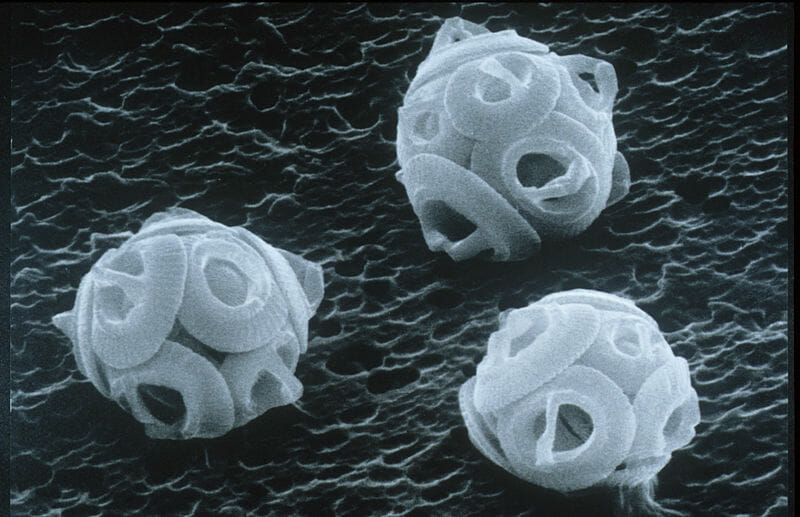
Coccolithophorids are an important species of phytoplankton that exhibit characteristic calcium carbonate plates known as coccoliths (shown below). Although this type of phytoplankton is an important microfossil, it is also a source of dimethyl sulfide, which is thought to represent a potential mechanism by which to regulate climate change. It is thought that by increasing the number of these phytoplankton, the enhanced level of dimethyl sulfide will become oxidized, forming sulfur dioxide and sulfate aerosols. These aerosols will function as cloud seed nuclei that will increase cloud coverage and the reflection of sunlight.


Scanning electron microscope image of a Coccolithophorid


Cyanobacteria


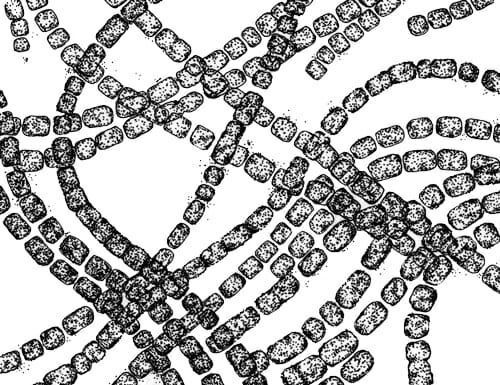
Cyanobacteria (pictured below) are extremely small phytoplankton that typically inhabit less turbulent waters and can thrive in environments where there are fewer nutrients available. Cyanobacterial species are highly diverse and have been shown to be extremely tolerant to changes in aquatic conditions, thus outcompeting many other types of phytoplankton when water temperatures change or nutrients become less abundant.


Cyanobacteria in J-phenome


Diatoms


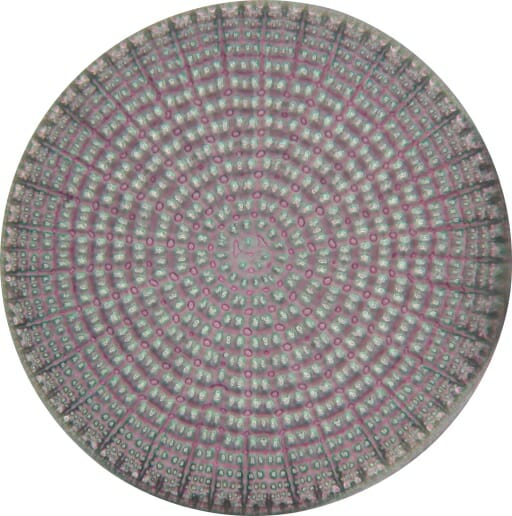
Diatoms (image seen below) are an extremely important phytoplankton that while microscopic, replicate rapidly. Diatoms can be used as an indication of water quality, as they follow a “bloom-and-bust” life cycle. As nutrients reach the sunlight surfaces of an ocean, diatoms rapidly reproduce. When the nutrients are depleted (i.e., silicon), this growth ceases. Diatoms also comprise a substantial portion of the organic matter found in the sediment of large bodies of water.


Diatom


Dinoflagellates


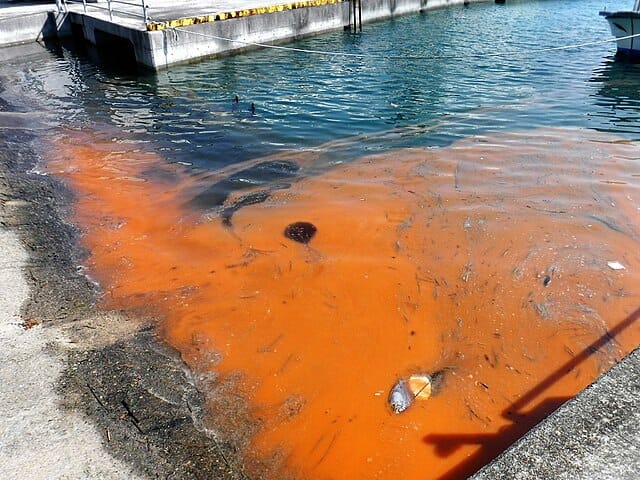
Dinoflagellates are an important phytoplankton typically involved in supporting coral reef ecosystems as a significant food source for many species. Dinoflagellates are known to cause harmful algae blooms exhibiting a characteristic red color, termed “red tide” (shown below). Such blooms have been known to contaminate shellfish, which will cause food poisoning in humans, if consumed.


Red tide


What Do Phytoplankton Eat?


Phytoplankton are primarily dependant on minerals found in aquatic environments and Vitamin B to survive. For aquatic environments to support phytoplankton, the presence of iron, phosphate, silicic acid, and nitrate are required. Indeed, when there is a deficiency in these macronutrients, there is a corresponding absence of phytoplankton.


Quiz


1. The absence of phytoplankton in an aquatic environment is an indication of:
A. Water quality
B. The absence of sunlight
C. Insufficient nutrients
D. All of the above are indications

Answer to Question #1

2. Which of the following statements about phytoplankton is TRUE?
A. Phytoplankton is responsible for as much as 85% of the atmospheric oxygen found on Earth.
B. Vitamin B is toxic to phytoplankton.
C. All phytoplankton species cause blue algae blooms.
D. All of these statements are true.

Answer to Question #2

3. “Red tide” is caused by what type of phytoplankton?
A. Coccolithophorids
B. Cyanobacteria
C. Dinoflagellates
D. Diatoms

Answer to Question #3

References


  • Benoiston et al. (2017). The evolution of diatoms and their biogeochemical functions. Philos Trans R Soc Lond B Biol Sci.372(1728):pii: 20160397.

  • Helliwell, KE. (2017). The roles of B vitamins in phytoplankton nutrition: new perspectives and prospects. New Phytol. 216(1): 62-68.

  • Tandon et al. (2017). A promising approach to enhance microalgae productivity by exogenous supply of vitamins. Microb Cell Fact. 16(1):219.

  • Lee et al. (2017). The role of algae and cyanobacteria in the production and release of odorants in water. Environ Pollut. 227: 252-262.


Phytoplankton

Sunday, January 7, 2018

Diploid

Diploid Definition


Diploid describes a cell or nucleus which contains two copies of genetic material, or a complete set of chromosomes, paired with their homologs (chromosome carrying the same information from the other parent). By maintaining two copies of the genetic code, diploid organisms obtain an advantage by having greater genetic variation within their population, as each individual can express two alleles for each gene. Other organisms cycle between diploid and haploid lifecycles.


Examples of Diploid


Forming a Zygote


In mammals, a diploid zygote is created when two haploid gametes meet and form a single cell. This process adds the haploid DNA from each gamete into a combined diploid genome of the new zygote. Many animals reproduce using this method, although not all. The haploid stage of most animals is restricted to the single-celled gametes used for reproduction. The rest of the lifecycle is spent as a diploid, multi-celled organism.


Lifecycle of a Fern


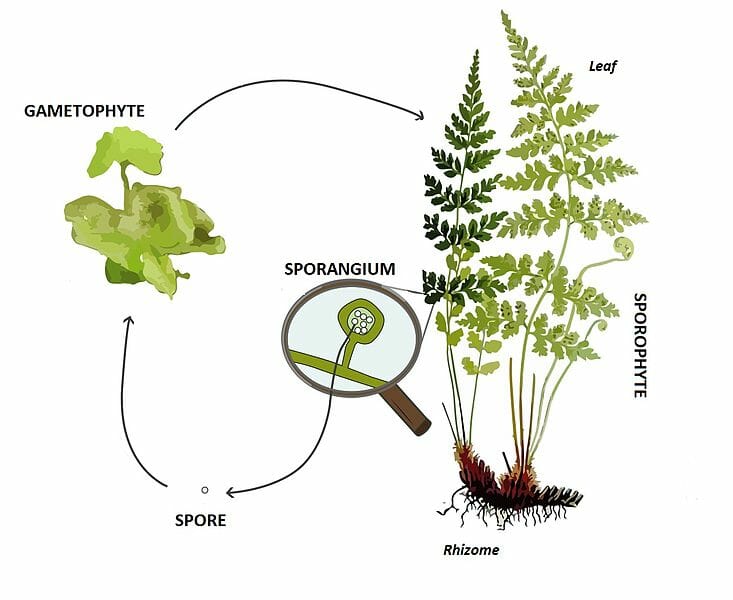
Unlike humans and other mammals, ferns have an entire multi-celled stage of their lifecycle which is not diploid. Look at the diagram below. During the sporophyte phase, the plant is diploid. This diploid plant creates spores through meiosis, which are now haploid. The haploid cells are released into the air and travel to a new area.


Pteridophyte lifecycle


Once established, the haploid spore grows into a gametophyte. The gametophyte is an entire haploid organism, separate from the first plant. This small plant has special tissues which create gametes in the form of sperm and eggs. These haploid cells find each other and fertilize one another, creating diploid zygotes. These zygotes then grow into full sporophytes, and the cycle starts over. Where humans and many familiar animals spend the entirety of their lives as diploid organisms, many species such as ferns and insects are not that way.


Quiz


1. Human gametes contain 23 chromosomes. How many individual chromosomes are present in a diploid zygote?
A. 23
B. 46
C. 40

Answer to Question #1

References


    • Hartwell, L. H., Hood, L., Goldberg, M. L., Reynolds, A. E., & Silver, L. M. (2011). Genetics: From Genes to Genomes. Boston: McGraw Hill.

    • McMahon, M. J., Kofranek, A. M., & Rubatzky, V. E. (2011). Plant Science: Growth, Development, and Utilization of Cultivated Plants (5th ed.). Boston: Prentince Hall.


Diploid

Haploid

Haploid Definition


Haploid is the condition of a cell having a one set of chromosomes. Ploidy refers to the number of copies of the genome. Humans, and many other organisms, are diploid organisms. This means that the majority of their lifecycle is spent with two copies of the genome in every cell. Typically, haploid cells are created for reproductive purposes. By reducing the genome to one copy, different copies can be rearranged when creating a zygote. By reducing the DNA material in the gametes to haploid, many new combinations are possible within the offspring. This increases the genetic variation and helps populations adapt to their environment.


Examples of Haploid


Haploid Cells in Humans


For the entirety of your life, the cells in your body are diploid, with a few exceptions. Your mother and father produced gametes, haploid cells, which came together to produce the first cell of your body. This single celled zygote replicated both copies of DNA before dividing into two identical daughter cells. The cells continued replicating and dividing until they formed a small ball, the blastula, which began folding and differentiating into various body parts. The cells in your body will remain diploid, as they continue replicating through mitosis. However, your reproductive organs will serve a special purpose. Instead of copying themselves through mitosis, certain parts of the tissues will undergo meiosis. Unlike mitosis, meiosis divides the homologous chromosomes and reduces the ploidy of the daughter cells created. These special gametes, eggs and sperm, are now the only haploid cells in your body. They are prepped to find a gamete of the opposite sex and produce a new zygote.


Haploid Drones in Insects


Many species of insect have a special sex determination system, which relies on the ploidy of the individual involved. Check out the diagram below, representing breeding systems in many bees and ants. The queen can be found in the upper-left. The queen, and all the worker bees are diploid organisms. These bees do the majority of the work in the colony, including gathering food, rearing the young, and disposing of the dead.


Haplodiploid Sex Determination in Honey Bees


To the right of the queen is the haploid drone. This male insect has one simple job: carry sperm to other colonies. The queens of each colony use this sperm to fertilize their eggs, which are also haploid. Combining two haploid cells creates a diploid cell. Typically, these diploid larvae develop into average worker bees. However, if fed “royal jelly” the worker will develop into a queen. The special food activates various pathways which make the worker larger and allow her to lay eggs. Once a hive is established, the old queen will give birth to a successor and leave the hive with many of the workers to establish a new hive. The new queen must wait to be fertilized by a haploid drone before laying new workers.


Quiz


1. True or False. A haploid cell cannot undergo mitosis.
A. True
B. False

Answer to Question #1

References


  • Hartwell, L. H., Hood, L., Goldberg, M. L., Reynolds, A. E., & Silver, L. M. (2011). Genetics: From Genes to Genomes. Boston: McGraw Hill.

  • McMahon, M. J., Kofranek, A. M., & Rubatzky, V. E. (2011). Plant Science: Growth, Development, and Utilization of Cultivated Plants (5th ed.). Boston: Prentince Hall.


Haploid

Friday, September 8, 2017

Small Intestine

Small Intestine Definition


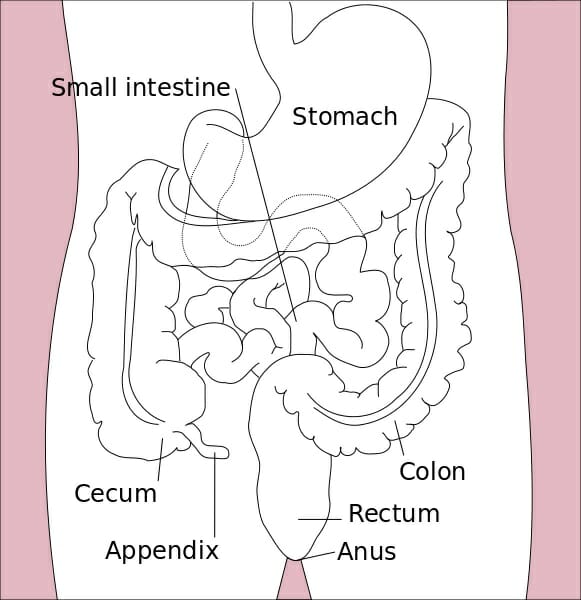
The small intestine is the part of our gastrointestinal tract where most of our nutrient absorption takes place. Everything we eat and drink throughout the course of our day will make its way to the small intestine. The small intestine is commonly known as the “small bowel;” but despite its naming, it still spans an impressive twenty feet long with a circular diameter of about an inch. It is amazing to think that such a long intestinal tract is all encased within the relatively small space inside our abdomen. In terms of location, the small intestine will span from the pylorus (or, the muscular opening that connects the stomach to the opening of the small intestine) to the cecum (or the fecal pouch).


Upon closer inspection, the small intestine appears narrow and coiled. Its coiled nature, of course, helps the intestine fit within its limited allotted space within our bodies. Inside, the small intestine is covered by a soft lining that is contains many villi and microvilli. These little ridges or projections give the small intestine even more surface area from which to absorb nutrients. It is no surprise, then, that the small intestine is the principal site of our food’s molecular digestion. The small intestine is able to absorb these nutrients and shuttle them to the rest of the body via the bloodstream. Let us discuss the small intestine’s many functions in more detail.


Stomach colon rectum diagram

The image depicts an illustration of the organs of the alimentary canal.


Small Intestine Function


The small intestine is the site where up to ninety percent of our total nutrient and mineral absorption takes place. The remainder of the absorption is left to the stomach and the large intestine.


While the small intestine’s main function lies in absorbing nutrients from broken down food particles, it is important to note that the actual digestion of food undergoes two phases. Digestion begins with mechanical digestion in our mouths. By chewing and churning food with our teeth, the bonds that hold food particles together are physically broken down. This process is only carried forward by the starch-breaking action of amylase enzyme in our saliva. This digestion continues on in the stomach with the help of acids. This brings us to a second digestive phase, which is chemical digestion. Chemical digestion differs from mechanical digestion, in part because there are actual enzyme reactions taking place to break apart the molecular bonds that bind our food. This is made possibly with the help of bile acids that are released from the liver and the gall bladder. Likewise, chemical digestion relies on bile acids and enzymes that break the food down, and then give way to the release of minerals into our bloodstream and our body’s many tissues. Chemical digestion is a process that really only occurs in the small intestine, which is another fact that separates it from standard mechanical digestion that takes place at several points along the alimentary canal.


It is worth mentioning that the small intestine is a site that is very rich in enzyme activity. While some chemical activity does occur in the stomach with the help of acidic enzyme pepsin, chemical digestion continues, and thrives, in the small intestine. Even more distinctions are elucidated when we are tasked with investigating the digestion of the different macromolecules in our diets. In general, the main molecules that are absorbed by the small intestine include amino acids derived from proteins, fatty acids from lipids, and simple sugars derived from starches or complex carbohydrates, which we will discuss in more detail below. Furthermore, up to eighty percent of the water in our bodies is absorbed by the small intestine, as well as electrolytes like chloride, iron, potassium, and sodium ion. Ion channels will be crucial in replenishing and driving this life-sustaining process. Likewise, the small intestine has the important role of absorbing vitamins and minerals from our diet. Fat soluble vitamins K, A, D, and E are absorbed by simple diffusion along with dietary fats. Meanwhile, water soluble vitamins B and C will be absorbed by facilitated diffusion, as their hydrophilic nature precludes their simple entry into our cells. Vitamin B12, likewise, will be absorbed at the small intestine’s Ileum via active transport.


Digestion of Proteins


Proteolytic enzymes are those that target and break down peptide bonds within the proteins in our food. We, as a society, are quite familiar with what constitutes as protein in our diets; and in truth, a lot of protein is consumed throughout the world in the form of chicken, beef, tofu, and legumes. These enzymes will include trypsin and chymotrypsin, which are first released by the pancreas and will make their way to the small intestine to cleave proteins. Carboxypeptidase is an even more refined intestinal enzyme that is also released by the pancreas, but will split amino acids into singular amino acids. Protein digestion starts at the mouth and will continue, to a lesser extent, in the large intestine. Notably, amino acids are hydrophilic, or “water loving,” and will therefore require some help passing through the lipid barrier of our cells. They will generally follow primary active transport where an ATP molecule will be expended.


Digestion of Lipids


Lipases are likewise secreted by the pancreas and act on the fats in our diets. Lipases will break triglycerides into free fatty acids that can circulate within our bodies. But their action is further helped by bile salts that our liver and gallbladder secrete. Fatty triglycerides are very averse to the watery environments of our tissues. The bile salts act by enclosing the triglycerides within their structures until lipases can come and break them down. Transport of lipids and short-chained fatty acids will follow the rules of passive or simple diffusion through the hydrophobic lipid bilayers of our cells.


Digestion of Carbohydrates


The carbohydrates in our food will often consist of complex sugars. Their digestion into simpler sugars such as glucose is absolutely essential. Pancreatic amylase will help break down some of these carbohydrates, while the more tenacious fibers will experience bacterial breakdown in the large intestine. While fructose can be structurally absorbed by cells via facilitated diffusion, glucose will require secondary active transport.


Small Intestine Parts


The small intestine is further divided into three sections: the duodenum, the jejunum, and the ileum. The duodenum is the first and shortest section of the small intestine, which measures about fifteen inches long. It will receive chyme (or, a mix of partially digested food particles that is mixed with bile) from our stomachs. The duodenum’s intestinal cells will also secrete amylase, sucrase, and lipase enzymes that break down fats and sugars. The jejunum will follow suit, and is located near our belly buttons. The jejunum marks the end of our digestion of fats and carbohydrates. It is covered in villi and microvilli that make it the principal site of digestion. It is also a coiled structure that is thicker and has more blood vessels than the third and final section, the ileum. The ileum lies in our pelvic area, more or less, and is thinner and less vascular than the jejunum. The ileum’s main role is in absorption and it will absorb amino acids, lipids, fat soluble vitamins, and vitamin B12.


Quiz


1. Which method of transport do amino acids follow?
A. Passive diffusion
B. Simple diffusion
C. Primary active transport
D. Secondary active transport

Answer to Question #1

2. Correctly label the first, middle, and third sections of the small intestine:
A. Ileum, duodenum, jejunum
B. Duodenum, ileum, jejunum
C. Jejunum, duodenum, ileum
D. Duodenum, jejunum, ileum

Answer to Question #2

3. Correctly identify the main site of digestion, and the site of vitamin B12 absorption:
A. Duodenum; jejunum
B. Jejunum; ileum
C. Ileum; jejunum
D. Ileum: duodenum

Answer to Question #3

References


  • Hoffman, Matthew (2017). “Picture of the Intestines.” Web MD: Human Anatomy. Retrieved on 2017-08-30 from http://www.webmd.com/digestive-disorders/picture-of-the-intestines#1

  • Mandal, Ananya MD (2017). “What does the small intestine do?” News Medical Life Sciences. Retrieved on 2017-09-01 from https://www.news-medical.net/health/What-Does-the-Small-Intestine-Do.aspx

  • Schmidler, Cindy (2017). “Anatomy and Function of the Digestive System.” Health Pages. Retrieved on 2017-09-02 from https://www.healthpages.org/anatomy-function/anatomy-function-digestive-system/#Jejunum_Function

  • Coleman, Ruth (2017). “What are the digestive enzymes that occur in each section of the small intestine.” Livestrong. Retrived on 2017-09-03 from http://www.livestrong.com/article/420133-what-are-the-digestive-enzymes-that-occur-in-each-section-of-the-small-intestine/


Small Intestine